
Last updated November 15, 2026
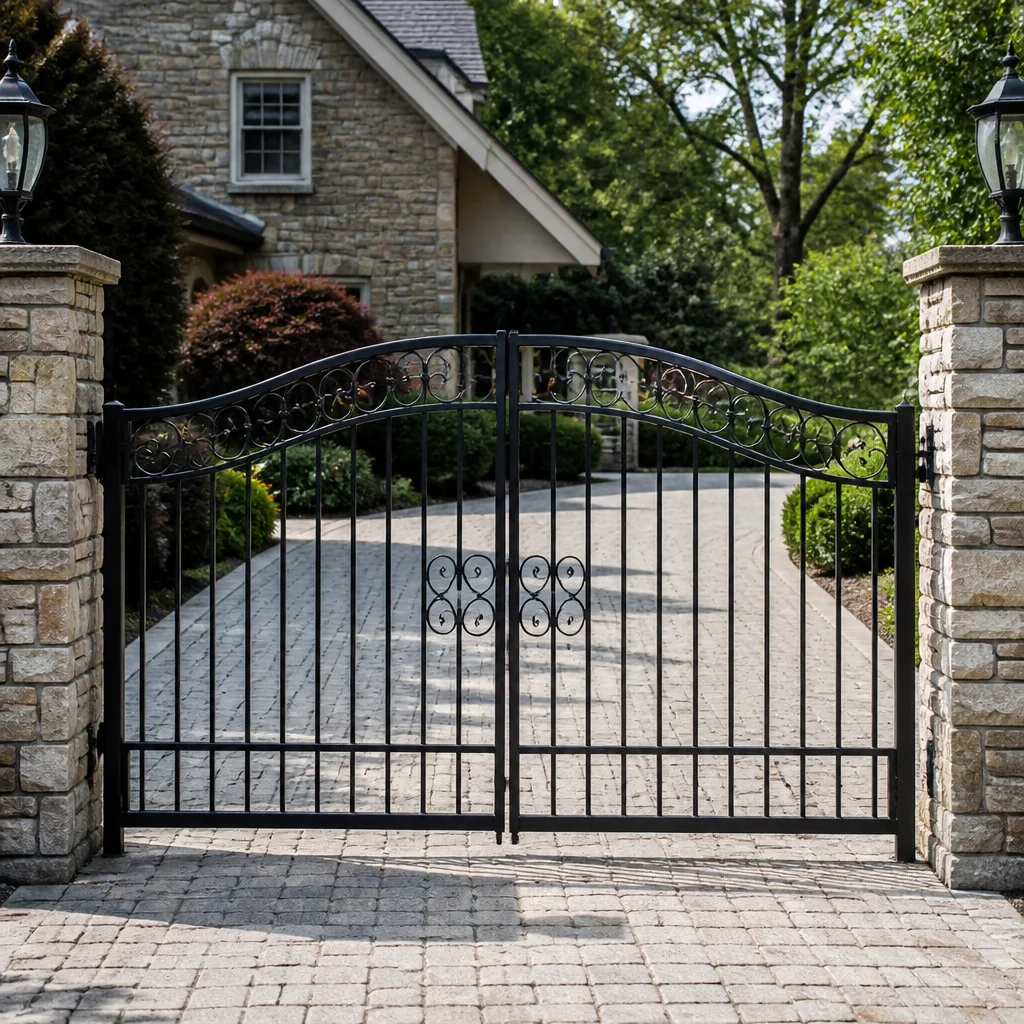 Wrought iron
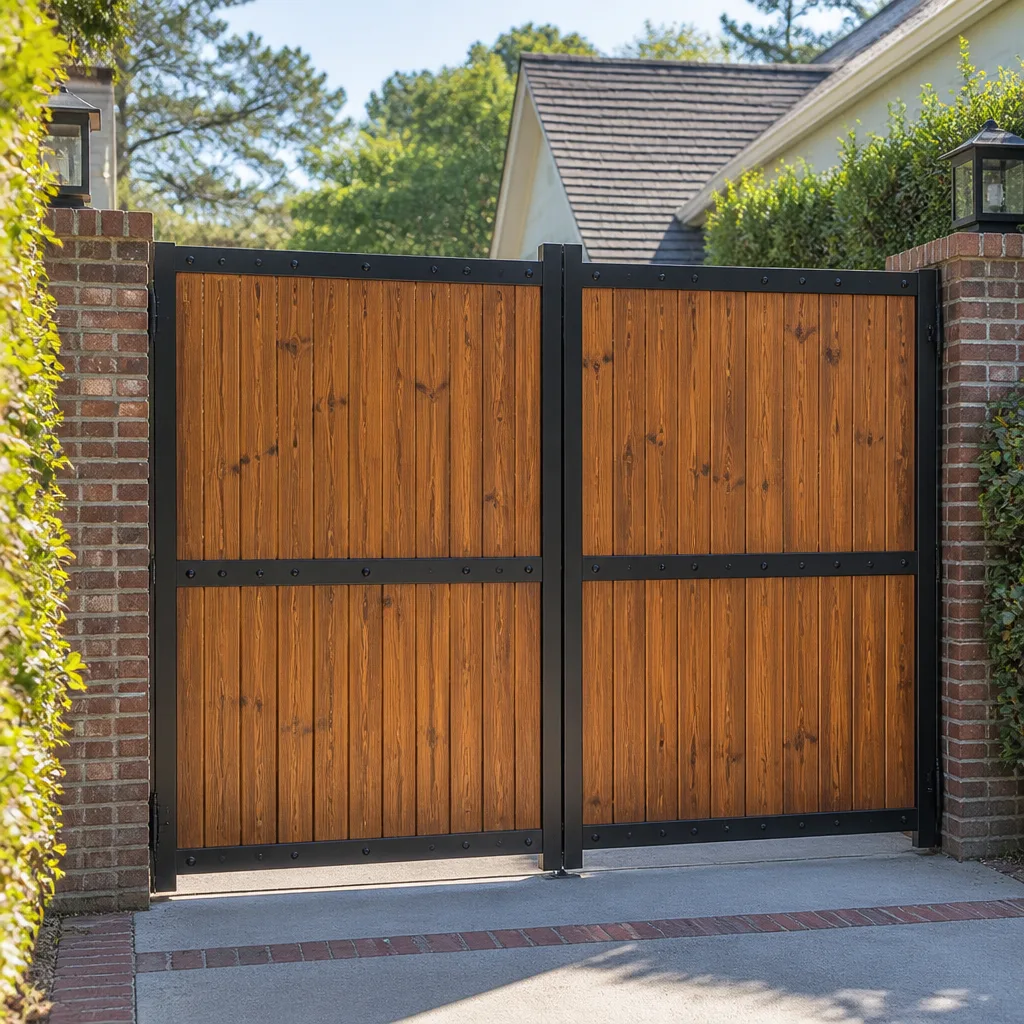 Wood & steel frame
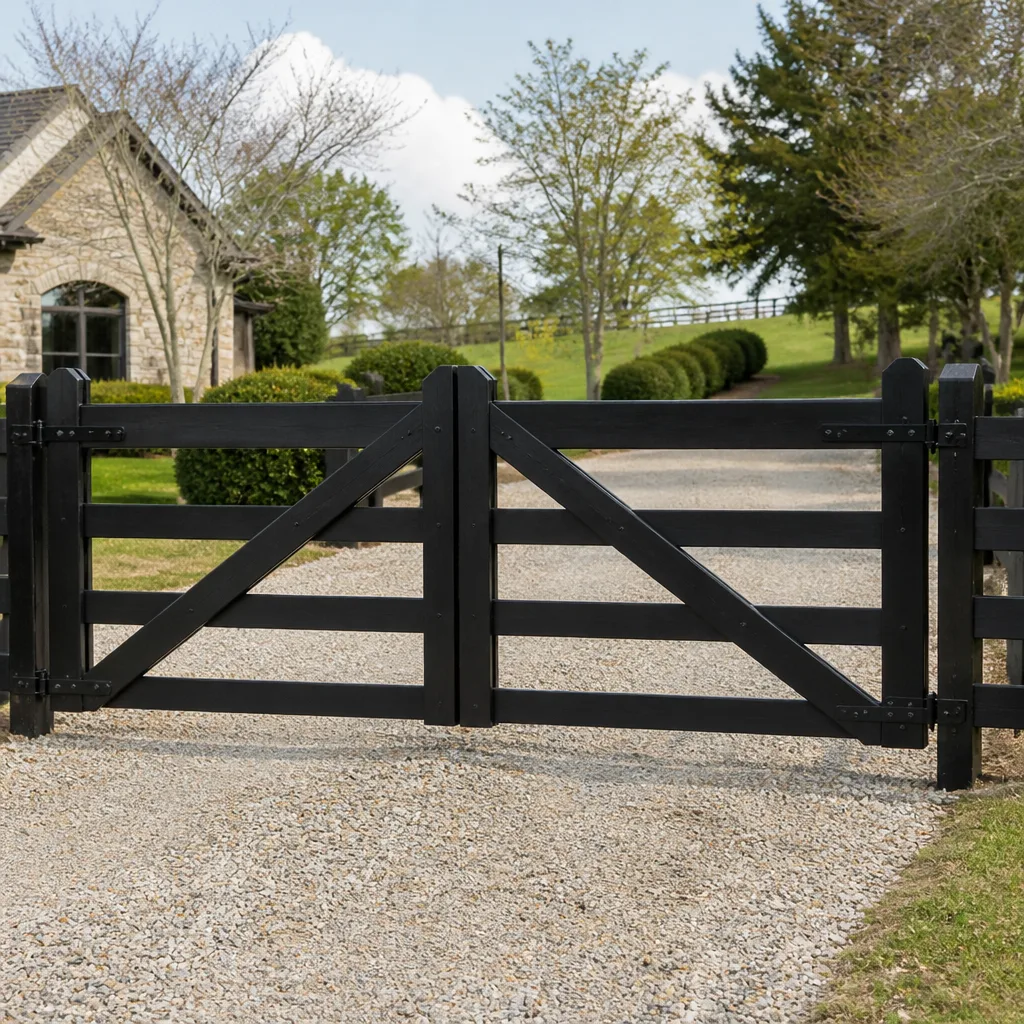 Farm & ranch
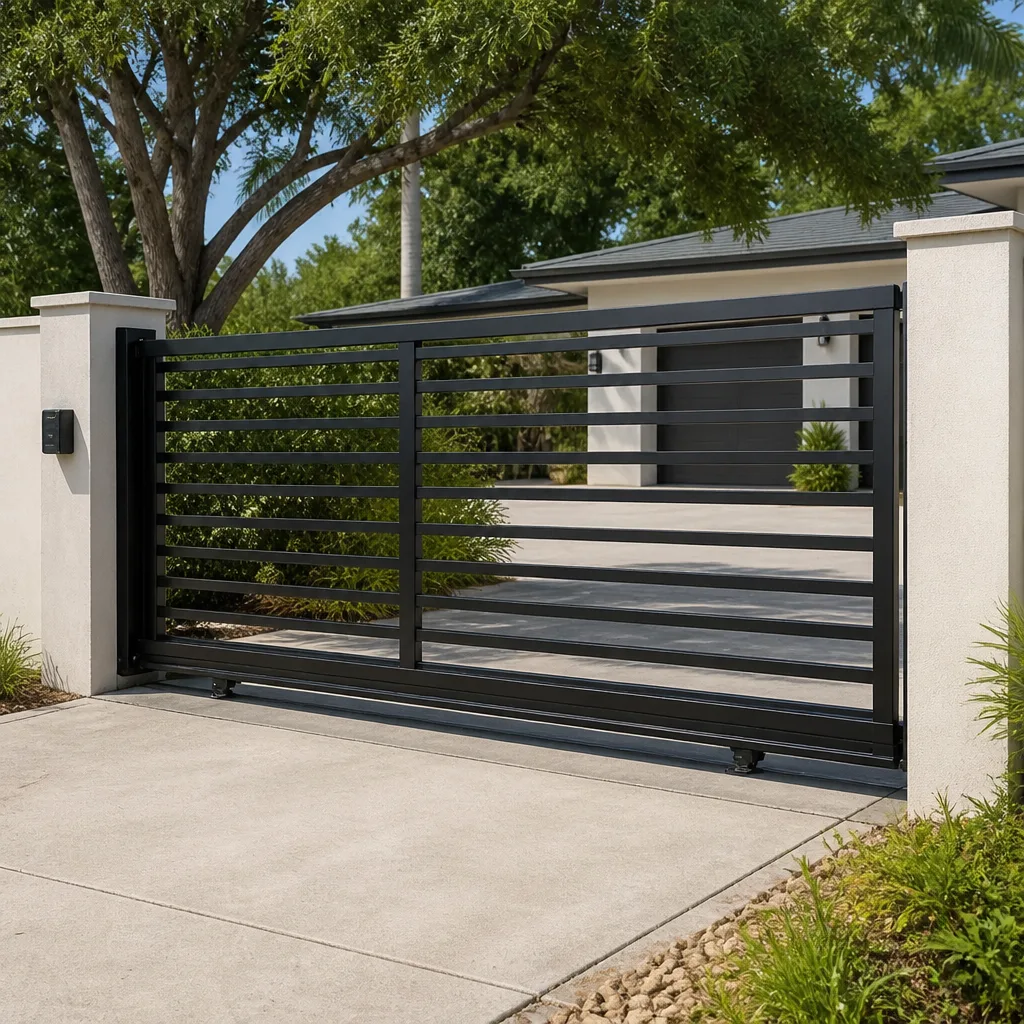 Sliding driveway gates
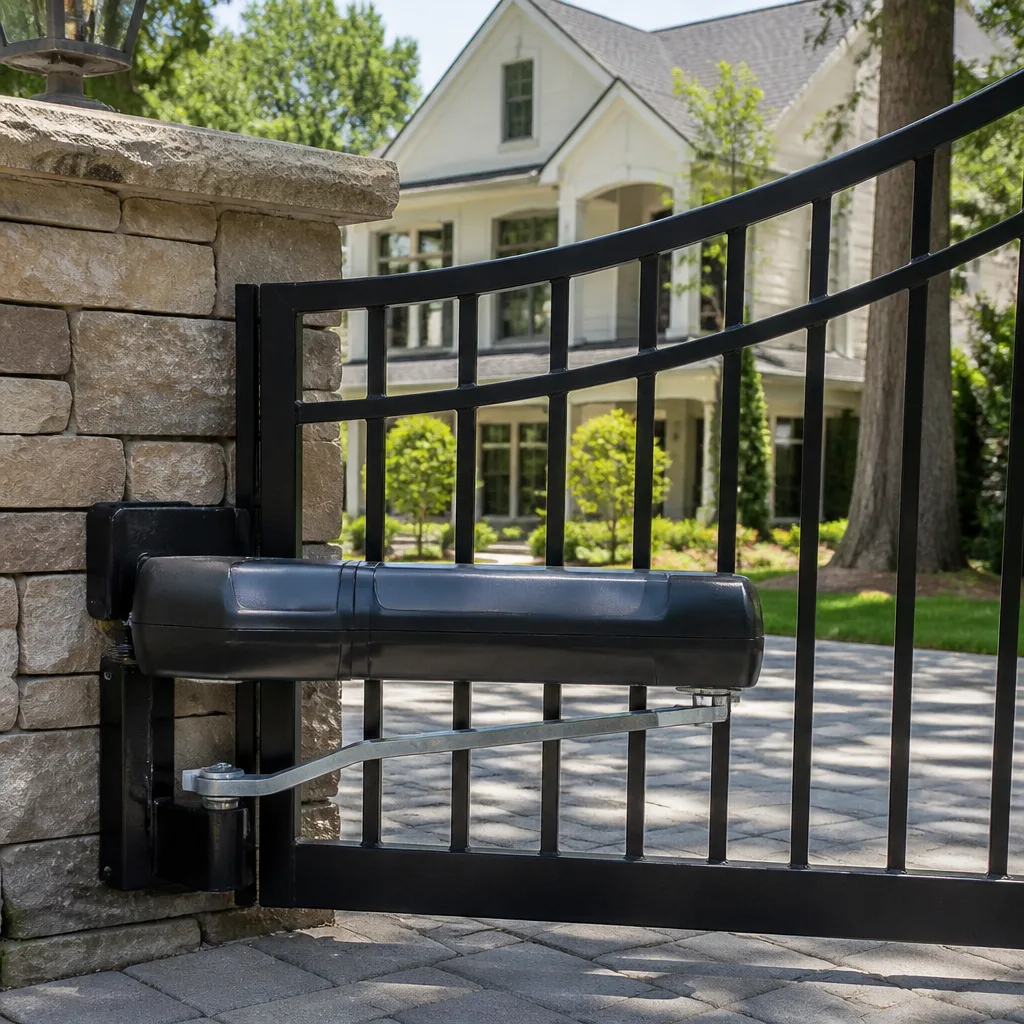 LiftMaster operators
Free on-site gate assessment - hinges, posts, and your LiftMaster or Nice gate operator checked before anything is quoted
The assessment is free and the quote is the invoice.
Get your free estimateGate Repair Permits, Codes & Inspections in Albany, NY: What You Need to Know
Most people assume a gate is private property, and private property means no permits. That’s true for a hinge, a latch, or a bent arm. It stops being true the moment a gate opens by itself. In Albany, automated and certain altered gates can fall under New York’s building code requirements, and the homeowner is usually the last to find out. That discovery tends to happen at resale, at an insurance claim, or when a city inspector looks twice at a newly installed operator. This guide explains where repair ends and alteration begins in Albany, what UL 325 compliance actually requires, how zoning districts change the rules, what inspectors really look at, and how unpermitted gate work follows you through a sale or a claim. We work on gates every day, and this is the part most homeowners never hear until it costs them.
Quick Answer
In Albany, routine gate repair generally does not require a building permit, but installing a new automated gate operator, replacing a moveable element in a way that changes its structural integrity, or adding a powered system to a manual gate usually does. The work must meet New York’s building code and UL 325 safety standards for gate operators. Because requirements shift with zoning district and property type, the homeowner should confirm with the City of Albany before the operator is installed, not after.
Styles & brands we work with
- Wrought iron
- Wood & steel frame
- Farm & ranch
- Sliding driveway gates
- LiftMaster operators
Table of Contents
- Where Gate Repair Ends and a Permitted Alteration Begins in Albany
- What Is UL 325 and Why Does It Matter for Your Albany Gate?
- How Albany’s Zoning Districts Affect Gate Height, Setback, and Automation
- What Inspectors Actually Check on an Automated Gate
- Step by Step: How to Confirm Permit Requirements for Your Albany Gate
- How Unpermitted Gate Work Affects a Property Sale and Insurance Claims in New York
- Albany Weather and What It Means for Gate Hardware and Inspections
- Commercial Gates and Access Control in Albany
Where Gate Repair Ends and a Permitted Alteration Begins in Albany
The dividing line is not about cost or difficulty. It’s about whether you’re keeping the gate working the way it was built or changing what it is. A repair restores function. An alteration changes the structure, the footprint, or the powered nature of the gate.
Replacing a worn hinge, a bent arm, a damaged wheel on a slide gate, or a failed control board are repairs. Fixing a wiring fault at the operator is a repair. These keep the gate as it stands, and in most cases they don’t trigger a permit in Albany.
Things that commonly cross into permit territory include:
- Installing a new automated operator on a manual gate or replacing an operator with a different type.
- Replacing a moveable element, such as the gate leaf itself, in a way that changes its structural integrity.
- Adding or expanding an electrical supply dedicated to the gate that requires a new or altered circuit.
- Enlarging the gate, changing its swing arc, or altering the supporting posts or footings in a structural way.
New York’s building code treats automated gates and the systems attached to them as equipment that must be safe and compliant, and the city is the authority that decides whether a specific job needs a permit. So the practical answer for an Albany homeowner is simple: if the job adds power, changes structure, or replaces a moveable element, call the city’s building department and ask. It’s a short conversation now versus a longer one at resale.
What Is UL 325 and Why Does It Matter for Your Albany Gate?
UL 325 is the safety standard for gate operators. It’s what keeps an automated gate from becoming a crushing hazard, and it’s the standard inspectors and insurers look for. A gate that opens on its own is useful. A gate that opens on its own and cannot feel or see a child in its path is a liability.
UL 325 compliance rests on layered safety devices rather than a single feature. For a residential automated gate, the important ones are:
- Entrapment protection built into the operator, plus external sensors such as photo eyes, edge sensors, or loop detectors that detect a person or vehicle in the path and stop or reverse the gate.
- A reversing or stop response when the safety sensor trips.
- Fail-safe behavior for the operator, including how it handles a loss of power or a sensor fault.
- Manual release so the gate can be opened without power in an emergency.
This is why we ask about the operator when we quote a repair. A Mighty Mule or an Elite residential operator is engineered to specific entrapment-protection requirements, and those requirements depend on the brand and model, not on the installer’s preference. If a system was installed without compliant sensors, adding them is not optional. It’s the difference between a gate that satisfies UL 325 and one that doesn’t.
How to Verify Your System Meets UL 325
- Find the operator’s label or manual and confirm the model and its listed safety accessories.
- Confirm at least one external entrapment protection device (photo eye, edge sensor, or loop detector) is present and functioning.
- Test the reversal or stop behavior by interrupting the sensing field while the gate is moving.
- Have a trained technician inspect the control board, sensor wiring, and manual release if anything is unclear.
Wiring and the electrical supply to the operator are not a DIY job. If you’re unsure whether your system is compliant, have a professional take a look.
How Albany’s Zoning Districts Affect Gate Height, Setback, and Automation
Albany’s zoning rules apply to gates the same way they apply to fences and other accessory structures, and they vary with the district and property type. A gate that’s fine in one residential classification may not be in another. The common variables are height, setback from the property line, visibility at corners and driveways, and how the automated system is treated.
What generally changes across districts:
- Height limits on fences and gates, which often differ between front, side, and rear yards.
- Setback requirements from the property line and from corners, where sight lines matter.
- Automation and electrical elements, which may be reviewed differently depending on whether the gate faces a street or sits inside the lot.
- Historic and neighborhood overlays, which can add design review on top of the base zoning.
In our experience, the mistake homeowners make is checking the height rule and stopping there. The setback and the sight-line requirement are often what trip up a new installation. Properties near Washington Park and the older neighborhoods around Center Square and Pine Hills are more likely to run into a historic or overlay review than a newer subdivision off the edges of town.
The safe move is to confirm the zoning district and any overlay for your address before the operator is ordered. The city’s planning office can tell you which rules apply to your lot. If you’re planning a new installation, we’re happy to help you scope the job so it’s ready when you have your answers. See our Gate Repair Albany page for the full picture of what we handle.
What Inspectors Actually Check on an Automated Gate
Homeowners usually assume the inspector checks whether the gate opens and closes. That’s the least of it. What an inspector really focuses on is safety, code compliance, and whether the paperwork lines up with the work.
An inspection of a permitted automated gate in Albany generally looks at:
- Entrapment protection: are the required safety sensors installed, positioned correctly, and functional?
- The operator: is it a listed gate operator and does the installation match the submittal?
- The electrical work: is the power supply and wiring done to code and inspected appropriately?
- The structure: are the posts and footings sound, and does the gate move without binding or dragging?
- Consistency with the approved plans: does the built gate match the site plan and zoning figures that were approved?
What inspectors typically don’t do is test every brand-specific feature of your operator or tune the control board. That’s the technician’s job, and it’s the difference between a gate that passes inspection and a gate that actually works as designed. The better operators on the market, including DoorKing commercial units and LiftMaster residential systems, are put through their paces by a specialist who knows the control board, not by the inspector at the curb.
The single most common gap we see is a safety sensor that was installed but not properly aimed or wired to the operator’s reversing input. It looks present and passes a quick glance, and fails the real test.
Step by Step: How to Confirm Permit Requirements for Your Albany Gate
Permit rules vary enough between districts and property types that the process matters more than the answer to any single question. Here’s the sequence we recommend before any alteration or automation work in Albany.
- Describe the work precisely. “Repair the operator” is different from “add an operator to a manual gate.” Write down exactly what’s changing.
- Look up the zoning district and any overlay for your address, usually available through the city’s online records.
- Call the City of Albany building department and describe the job in that precise language. Ask whether it requires a permit and whether it requires a plan review.
- Ask about electrical inspection. If new power or a new circuit is involved, the electrical work will likely need its own inspection and sign-off.
- Get the permit before the work starts if one is required. Unpermitted work is what creates the real problems later.
- Keep the paperwork. Save the permit, the inspection sign-off, the operator manual, and the UL 325 documentation for your records and for any future sale.
If you’d rather not navigate the process alone, our electric gate repair team works on automated systems daily and can tell you what a compliant installation looks like before the inspector arrives.
How Unpermitted Gate Work Affects a Property Sale and Insurance Claims in New York
Permit problems usually don’t surface when the work is done. They surface at the two worst possible moments: closing and a claim.
In a New York property sale, the seller is typically asked about improvements and whether permits were obtained and closed out. An unpermitted automated gate can raise a disclosure question, delay closing while the buyer’s attorney requests records, or force the seller to obtain after-the-fact approvals. In some cases the buyer’s lender won’t fund until the issue is resolved.
On the insurance side, an unpermitted gate with non-compliant safety devices can complicate claims. If a gate without UL 325-compliant entrapment protection injures someone, the insurer will look closely at whether the installation was legal, and a policy can be affected by a code-compliant-but-unpermitted installation. We’re not your insurer and every policy differs, so read yours and ask your agent directly. But the pattern is real: the homeowner who didn’t know a permit was ever required is the one paying twice.
For a property manager, the stakes run through the whole building. Access-control systems, resident gates, and shared driveways are all checked against code when a claim is filed, and the compliance paperwork is what needs to exist. If your system is older, a review of what’s on record is a good idea.
Albany Weather and What It Means for Gate Hardware and Inspections
Albany’s winters are hard on gates. Freeze-thaw cycles heave the ground around posts and footings, ice builds up on tracks and wheels, and the salt and grit from plowed roads works its way into hinges and operators. That’s not a reason to skip safety requirements. It’s a reason to check the gate every spring.
What we see in Albany on older gates:
- Ground movement around posts and footings, which can shift a gate out of plumb and cause it to bind.
- Rusted or worn hardware at hinges and rollers, which is a maintenance issue, not a permit issue, but it can stress the operator.
- Operator strain from gates that drag in cold weather, which can shorten the life of a control board.
The practical takeaway: a winter-damaged gate is still a safety system. If your gate started dragging, reversing oddly, or failing to open this season, that’s a diagnostic job for a technician, not a wrench borrowed from the shed. Our gate repair page covers how we handle everything from a bent arm to a failed control board.
Commercial Gates and Access Control in Albany
Commercial gates carry a higher bar than residential ones because more people use them, and more liability follows from them. The safety requirements, and the permit and inspection expectations, are stricter for the same reason.
What matters for a property manager or business owner in Albany:
- Access control and loop detectors must work together with the gate operator, not against it.
- Entrapment protection has to suit the way the gate is used, including vehicle traffic and pedestrian paths.
- Records matter. Keep the permits, inspection sign-offs, and operator documentation for every gate on the property.
Commercial systems from brands like DoorKing sit at the center of this. A control board fault or a loop detector that fails to detect a vehicle isn’t a nuisance; it’s a safety question. If you manage a property in Albany and the compliance history of your gates is unclear, get the systems checked and start a file on each one. Working with a specialist who knows the control boards and safety sensors makes the audit quick and reliable.
Common Mistakes to Avoid
- Assuming repair means no permit ever. Repairs usually don’t need one, but adding power or replacing a moveable element often does. Confirm the category before you act.
- Skipping entrapment protection to save time. A gate without UL 325-compliant sensors is a hazard, and the inspector will catch it or a claim will.
- Checking height and ignoring setback. Albany’s zoning rules apply setback and sight lines too, and a gate can fail on those even when the height is fine.
- Ordering the operator before checking zoning and overlays. Historic and neighborhood overlays can add review time, and the wrong operator is expensive to undo.
- Ignoring the electrical inspection. If new power or a new circuit is involved, the electrical work needs its own inspection in most cases.
- Not keeping the paperwork. A permit, an inspection sign-off, and the operator manual save you real trouble at resale and during a claim.
- Letting a winter-damaged gate drag. A binding gate strains the operator and can fail the safety test in the spring. Diagnose it, don’t push it.
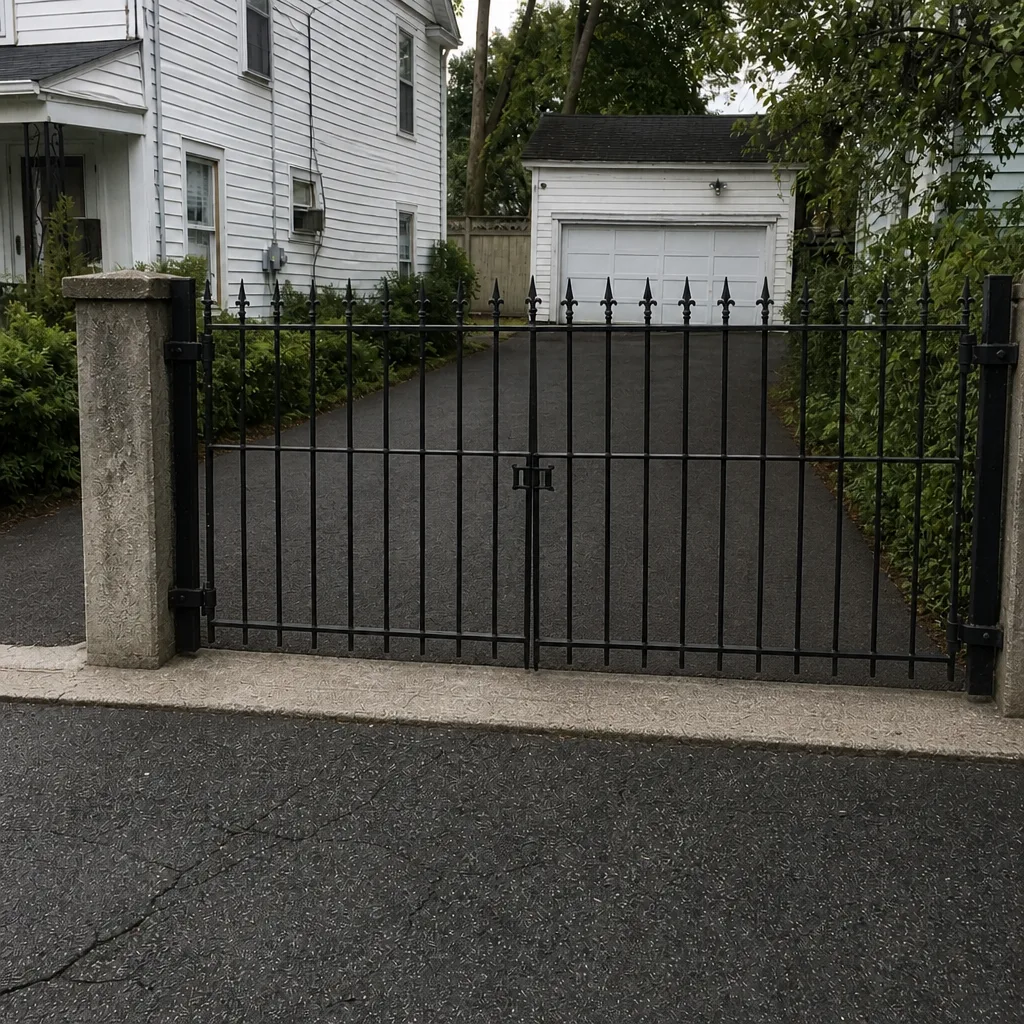
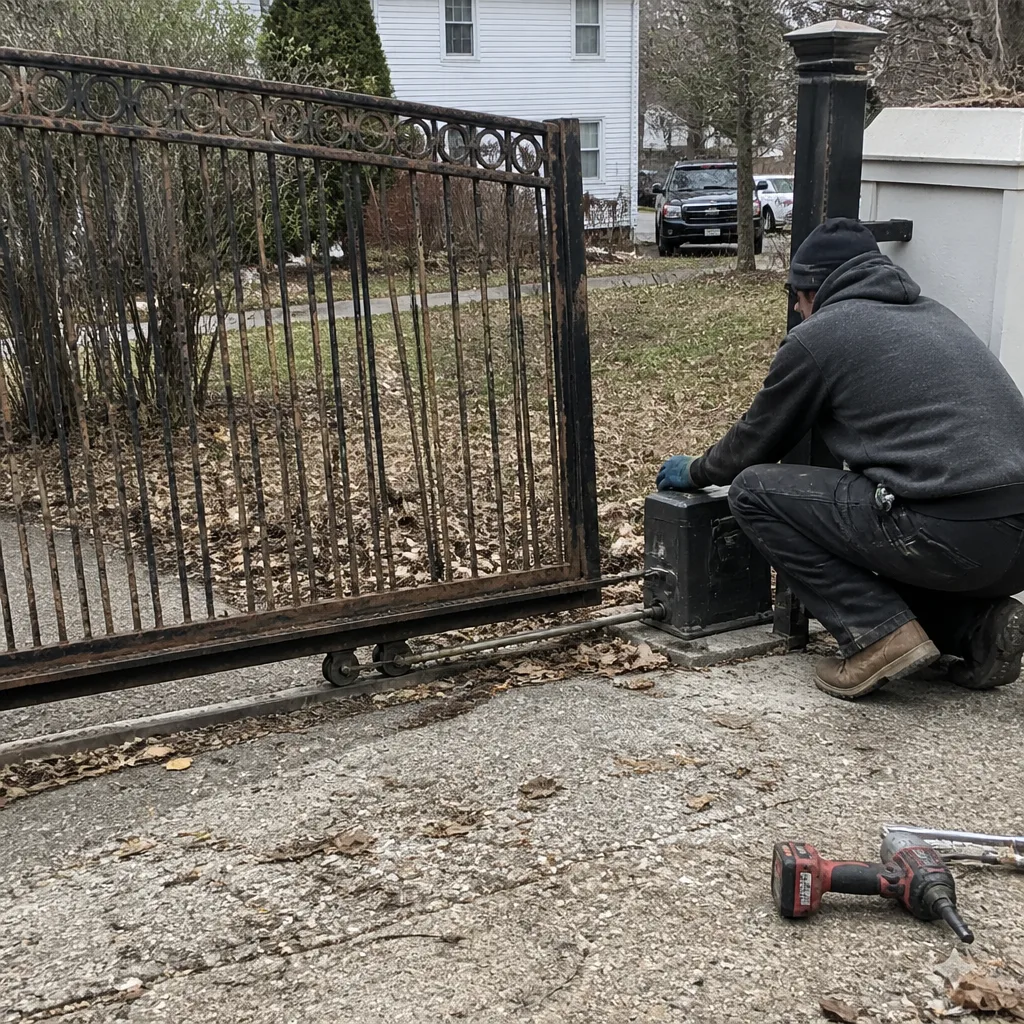
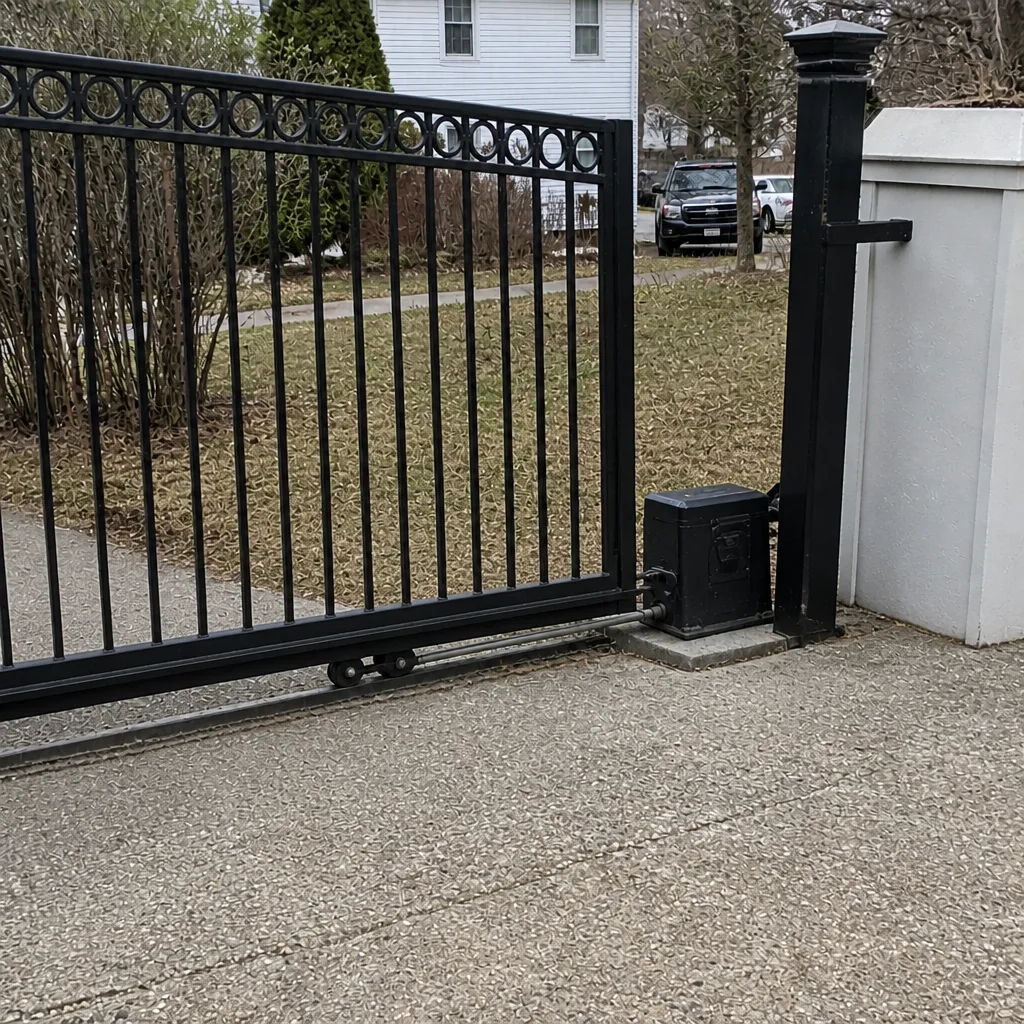
See the difference
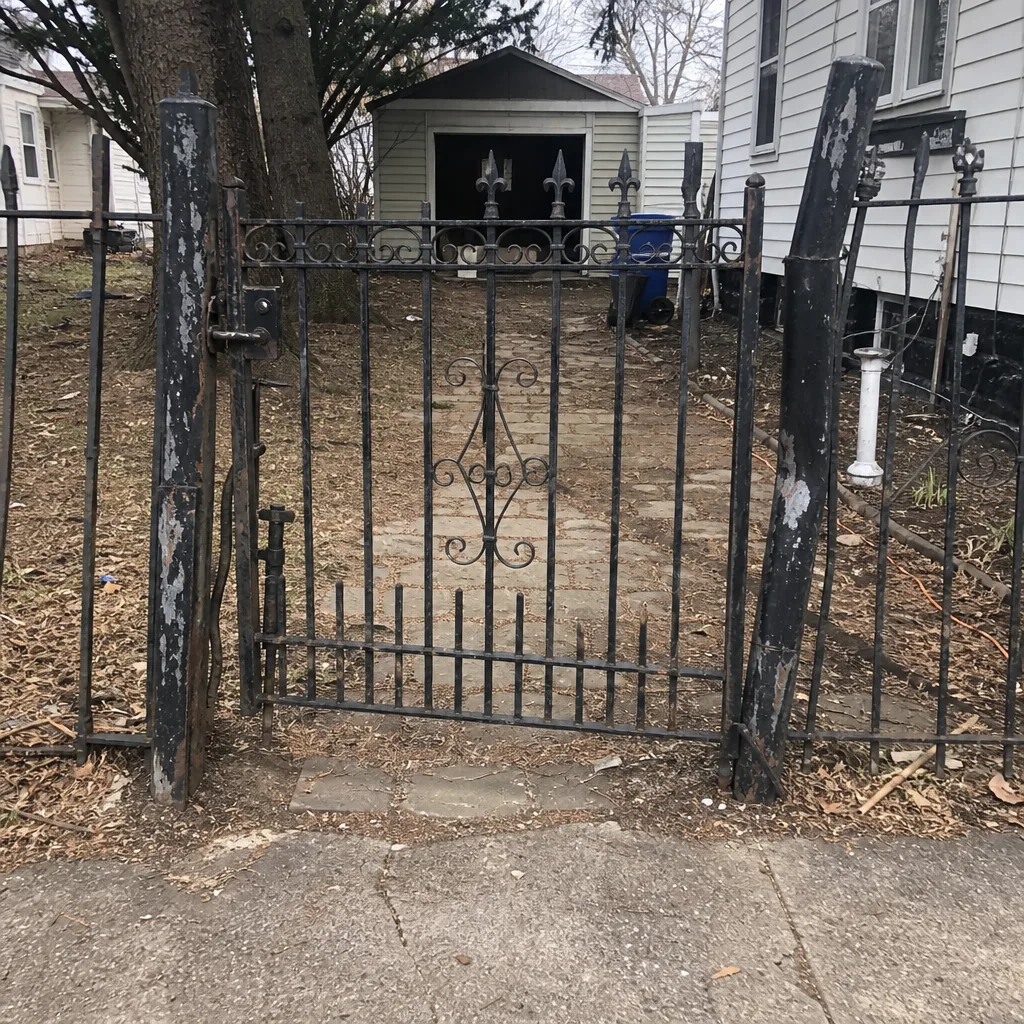 Before
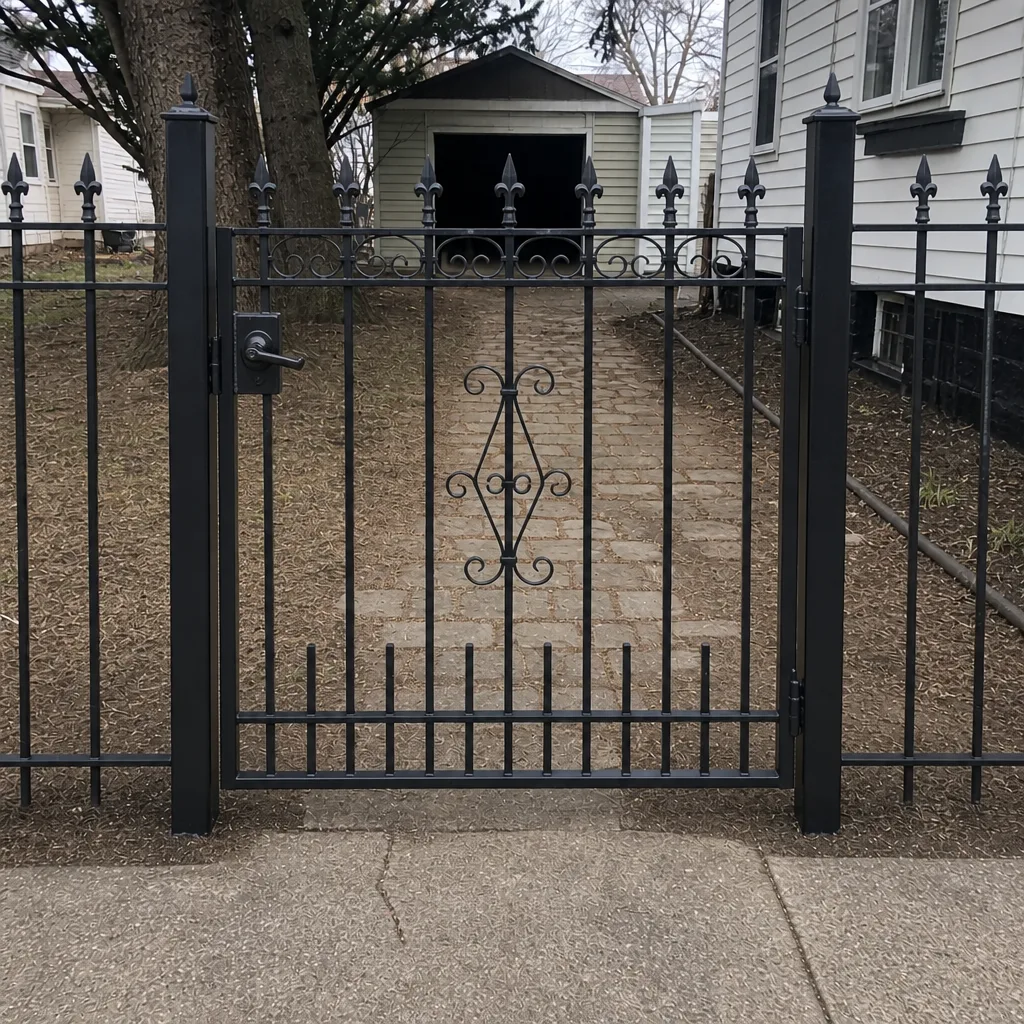 After
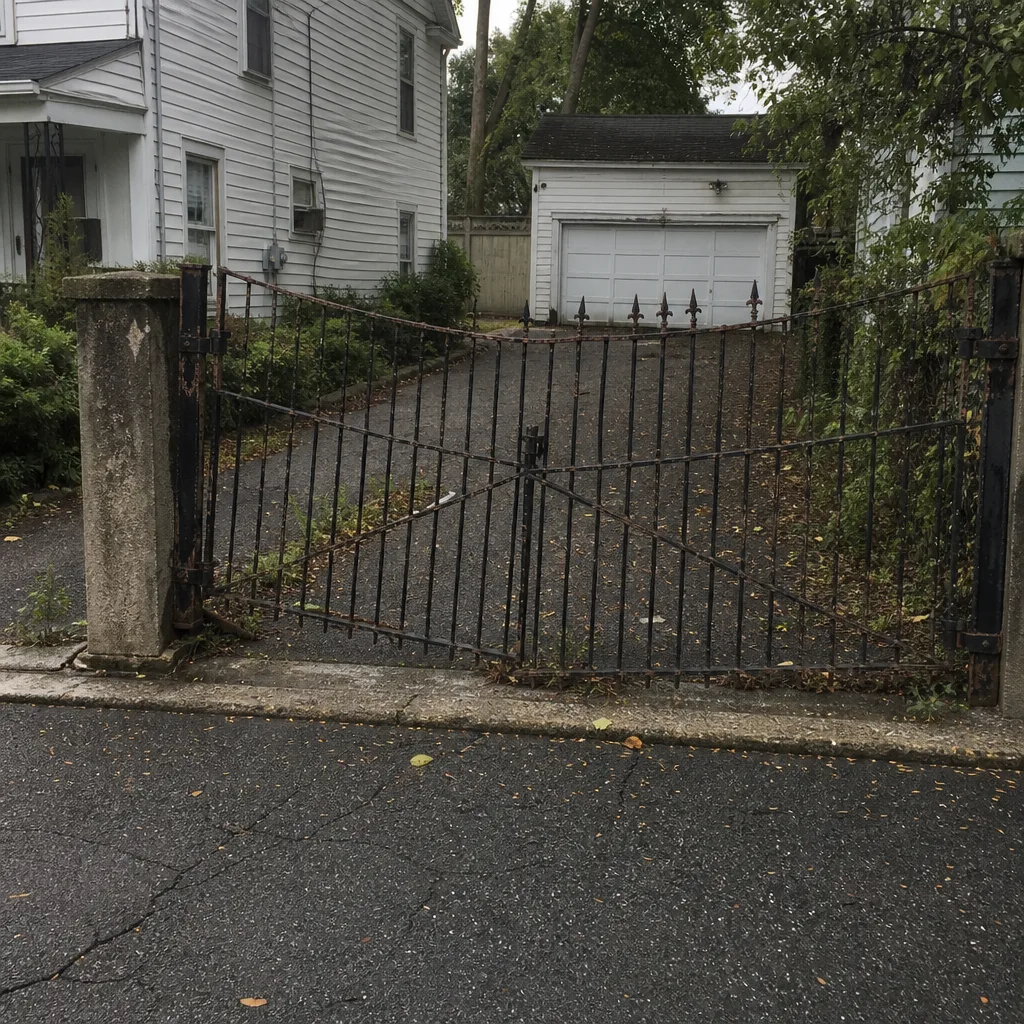 Before
 After
 Before
 After
When to Call a Professional
Some gate work is a hinge and a screwdriver. Most of it isn’t. Call a professional if the operator is acting up, the gate reverses or stops for no reason, the safety sensors are missing or failing, the gate drags or binds, or the control board is doing something you can’t explain. Call if you’re planning a new automated installation and need to know what a compliant system looks like in your zoning district. Call if a property sale is in motion and you need to know what’s on record. Wiring, entrapment protection, and operator diagnosis are not jobs to learn on. Gate Repair Albany offers free estimates in Albany – call (866) 942-6084. We answer 24/7. Fast dispatch from 7am to 7pm, Sunday through Friday.
Frequently Asked Questions
In most cases, no. Routine repair, such as replacing hardware, a control board, or a wiring fault, generally doesn’t require a permit in Albany. But because the rules depend on zoning district and what’s actually changing, confirm with the City of Albany building department before the work starts. Call (866) 942-6084 for a free estimate and we’ll help you frame the question.
Usually, yes. Installing a new automated operator, or replacing one with a different type, typically requires a permit and inspection under New York’s building code. Adding power or changing the electrical supply also brings electrical inspection into the process. Confirm the specifics with the city before ordering hardware. Call us for a free estimate and we’ll scope the job.
UL 325 is the safety standard for gate operators. It requires entrapment protection so the gate can detect a person or vehicle and stop or reverse. An operator without compliant sensors is a real hazard, and inspectors and insurers look for it. If you’re not sure your system meets the standard, have a technician check it. Call (866) 942-6084.
Inspectors focus on entrapment protection, the operator itself, the electrical work, and structural soundness. They also check that the built gate matches the approved plans. They don’t tune the control board or test every brand-specific feature; that’s the technician’s job. Call (866) 942-6084 for a free estimate if you want a compliance check.
It can. New York property sales typically ask whether improvements were permitted, and an unpermitted automated gate can raise disclosures, delay closing, or complicate a claim if the installation isn’t code-compliant. Every policy is different, so read yours and ask your insurance agent. Call us to review the system and see where you stand.
Albany’s freeze-thaw winters move ground around posts and footings, which can shift a gate out of alignment and stress the operator. That can turn into a compliance question if the gate stops moving safely or fails its safety test. Check the gate every spring and call a technician if it drags, reverses oddly, or fails to open. Call (866) 942-6084 for a free estimate.
The Bottom Line
Gate repair in Albany generally doesn’t require a permit. Adding automation, changing structure, or replacing a moveable element often does. The rules are set by zoning district and property type, and they’re confirmed by the City of Albany, not by us. What you can do is start with the right questions, keep the paperwork, and make sure any automated system meets UL 325 for entrapment protection. The gate that works is the gate that’s safe and documented. The gate that isn’t is the one that surfaces at closing or at a claim. When you’re ready to sort out what your gate needs, we’ll help you do it the right way.
Written by the team at Gate Repair Albany.