
Last updated November 15, 2026
 Wrought iron
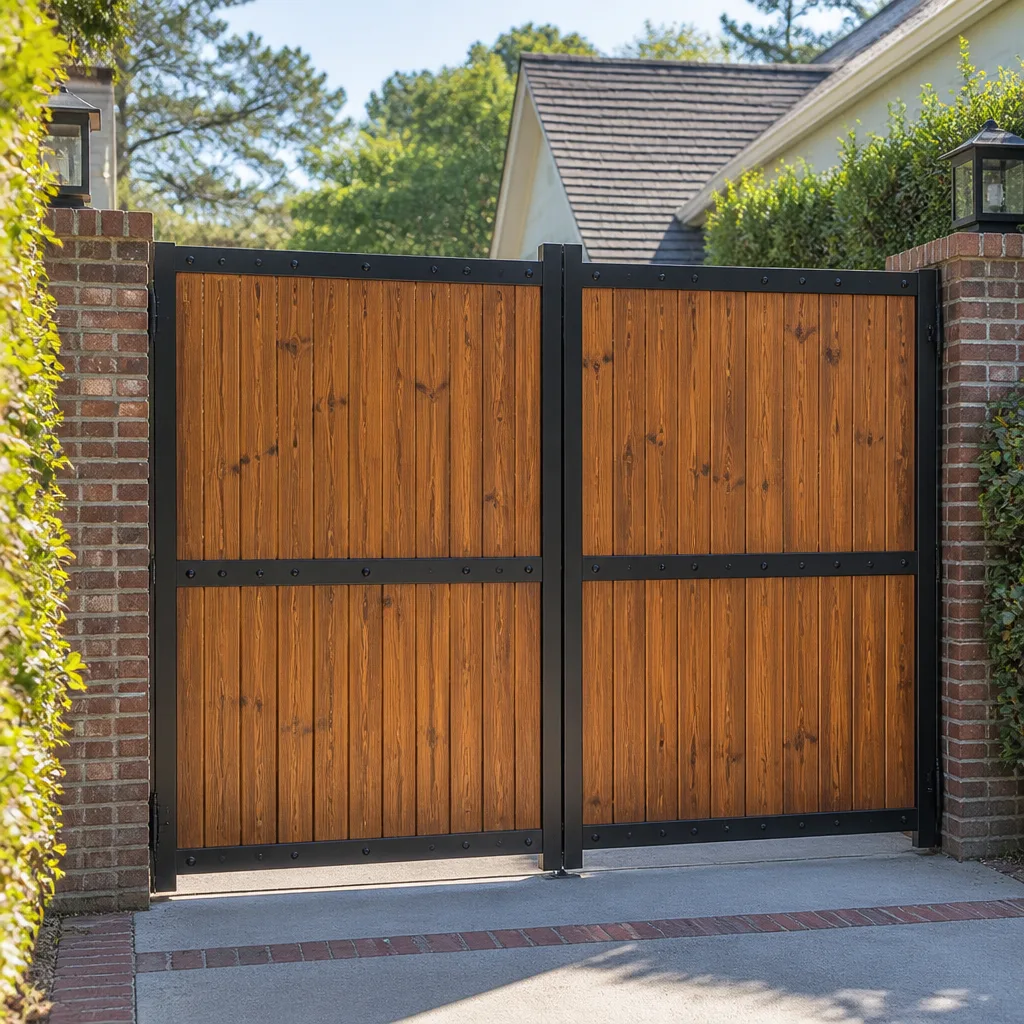 Wood & steel frame
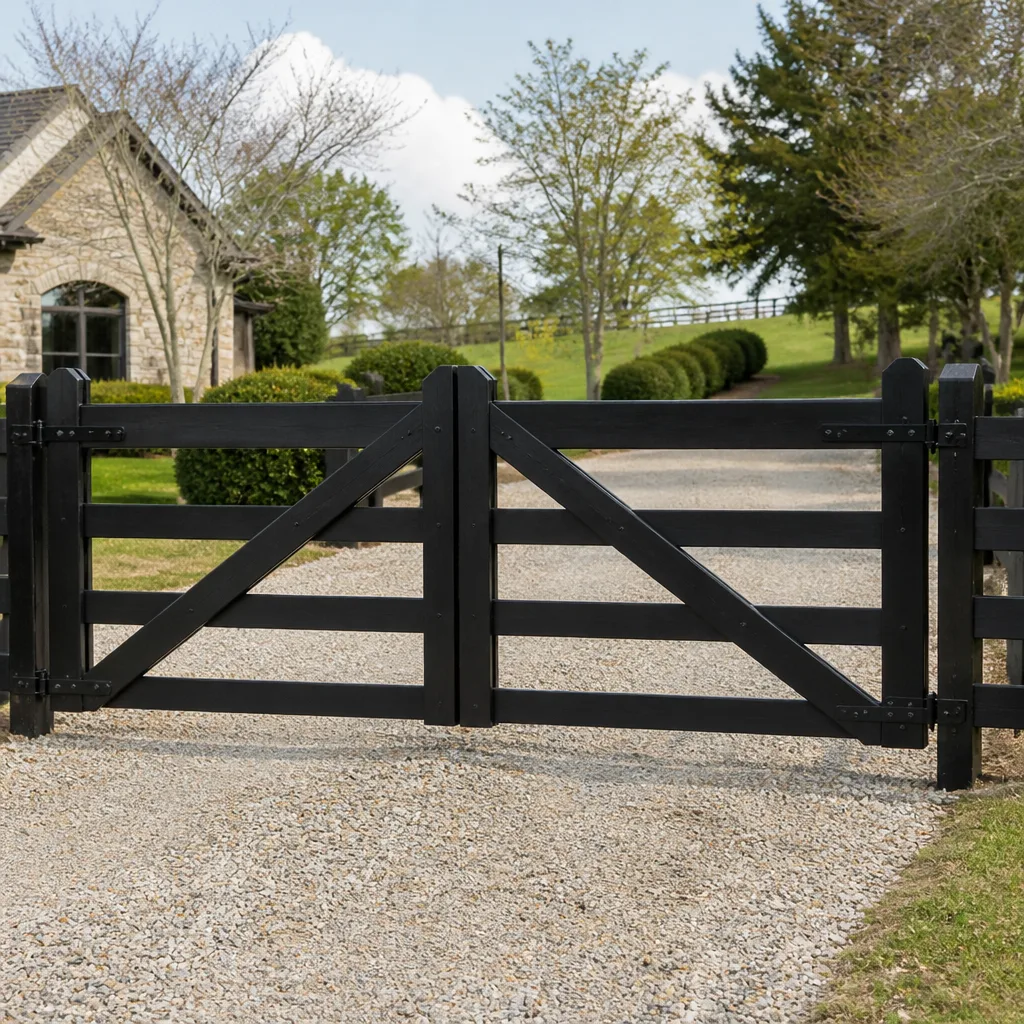 Farm & ranch
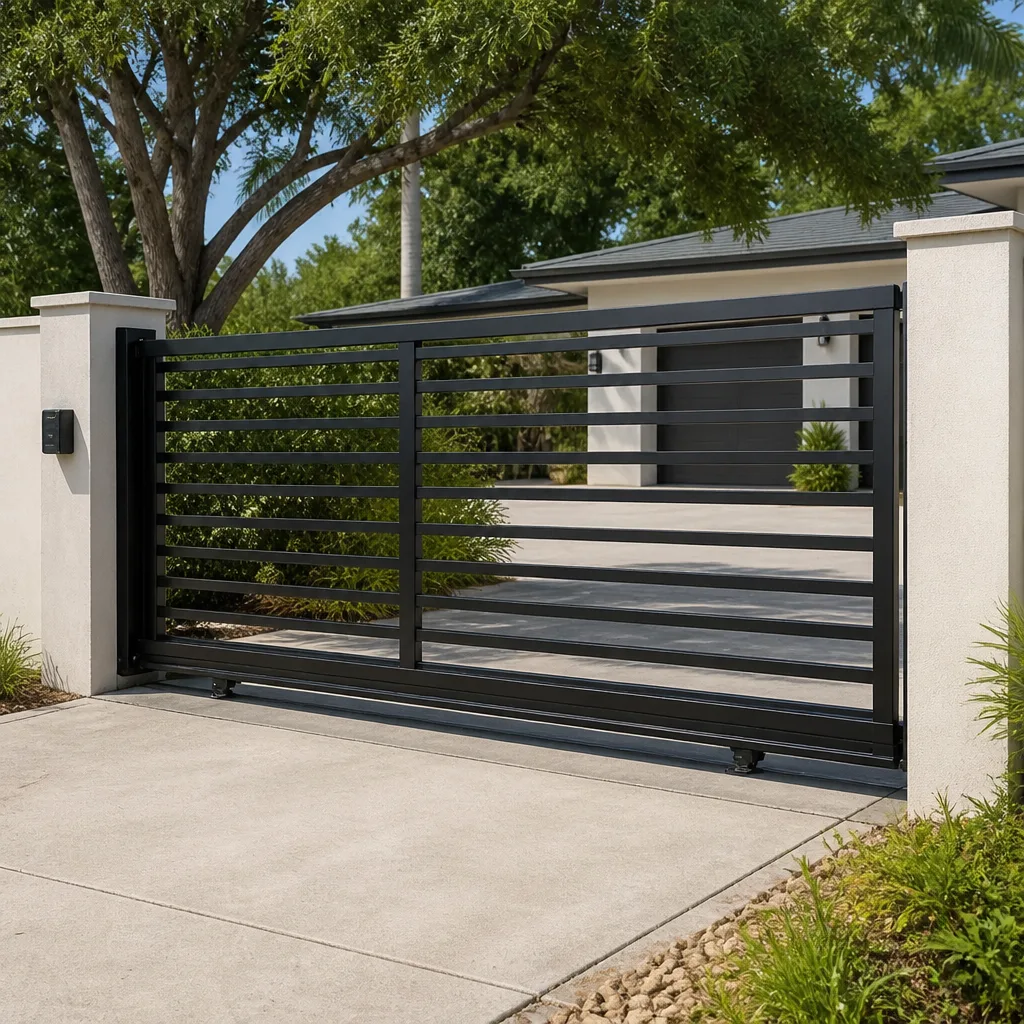 Sliding driveway gates
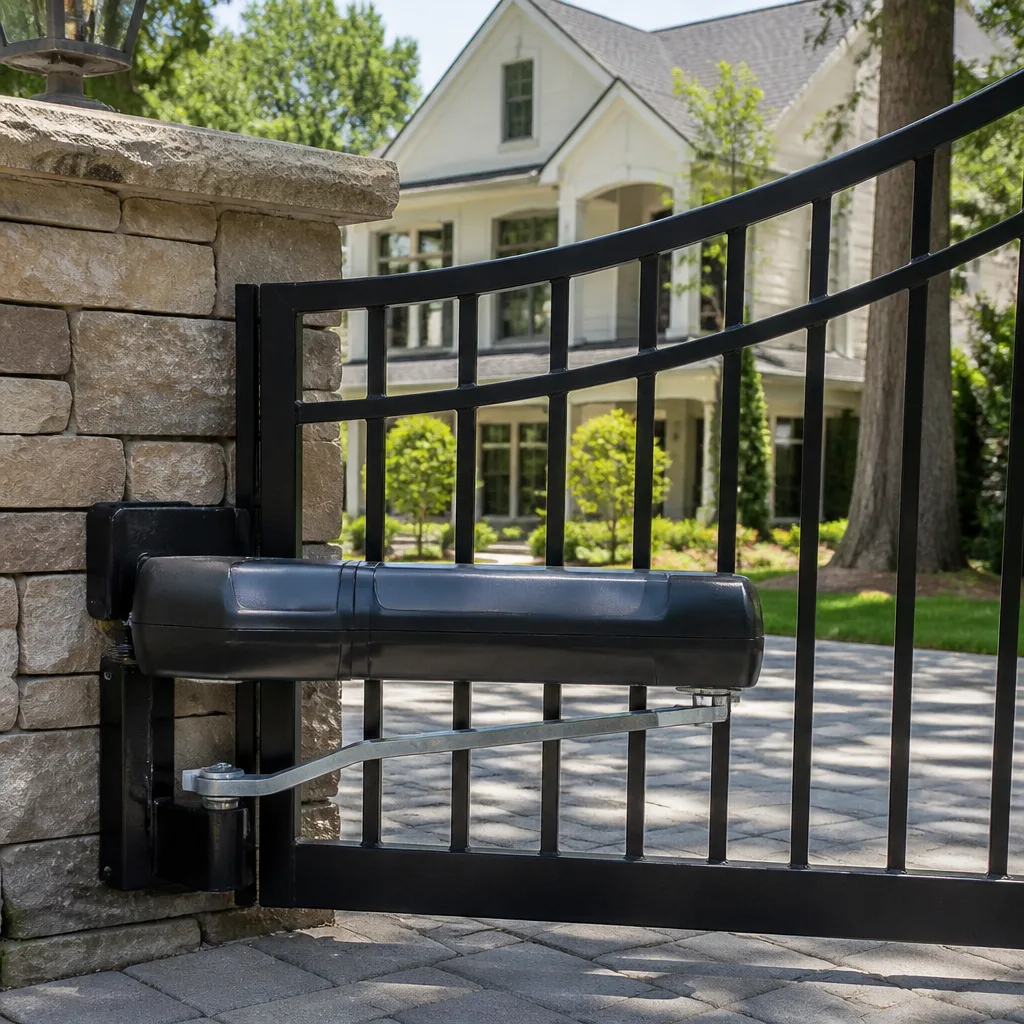 LiftMaster operators
Free on-site gate assessment - hinges, posts, and your LiftMaster or Nice gate operator checked before anything is quoted
The assessment is free and the quote is the invoice.
Get your free estimateGate Repair Warning Signs: An Albany Homeowner’s Reference Guide
A gate that hesitates for half a second before it moves is not a minor annoyance. That pause is a motor or capacitor under strain, and in our experience it usually means there are three to six weeks to fix the problem before the gate fails completely. Most homeowners wait until the gate stops dead, then call it an emergency. The ones who call at the first hesitation spend less and lose less. This guide is built to help you read those early signals. It covers what each symptom means on swing gates, slide gates, and barrier arms, which signs mean stop using the gate today, and how to describe a problem to a technician so diagnosis starts on the phone. If you own or manage a gate in Albany, this is the reference we’d hand you at the curb.
Quick Answer
The most reliable gate repair warning signs are a gate that moves slower than it used to, a gate that reverses without being told to, a motor that strains or hums before the gate moves, and any grinding, clicking, or squealing during travel. Slow travel and intermittent reversals are the two signs homeowners dismiss as normal, and both usually point to a failing capacitor, a strained motor, or a misaligned track. If the gate stops mid-travel, moves unevenly, or makes a loud crack, stop using it and call a gate specialist.
Styles & brands we work with
- Wrought iron
- Wood & steel frame
- Farm & ranch
- Sliding driveway gates
- LiftMaster operators
Table of Contents
- Why Gate Failures Send Signals First
- Symptom-to-Cause: Swing Gates, Slide Gates, and Barrier Arms
- Electrical vs. Mechanical Warning Signs: Reading Them Without Test Equipment
- The Two Warning Signs Homeowners Dismiss as Normal
- Stop Using the Gate Now vs. Monitor and Watch
- How to Document a Warning Sign for Faster Diagnosis
- What Albany Conditions Do to Gates
- Common Mistakes to Avoid
- When to Call a Professional
- Frequently Asked Questions
Why Gate Failures Send Signals First
Gate systems almost never fail without warning. The parts that move a gate wear gradually. A capacitor loses capacity over months. A gearbox develops play. A hinge sags a fraction of an inch at a time. A track collects grit. The gate keeps working through all of it, just slightly worse each week, until one day the accumulated strain exceeds what the weakest part can handle. That is why the failure feels sudden to the owner and obvious to a technician who knows what to look for.
The reason those signals get missed is habituation. You drive through the same gate twice a day, and a change that happens across three weeks is invisible against the background of your routine. A half-second delay means nothing on any single morning. But that delay is measurable, and on an electric gate it has a cause. A capacitor that’s dropping out of spec, a motor drawing more current than it should, or an arm that’s binding will all produce a lag before the gate moves. Left alone, the same fault eventually takes out the control board, which turns a modest repair into a much larger one.
On a gate in Albany, the seasonal pattern matters too. A gate that ran fine in October often shows its first problems in a cold snap or after the ground heaves in spring. Hardware loosens, posts shift, and suddenly the gate is riding against the track or dragging on a hinge. Catching that early is the difference between an adjustment and a rebuild.
This guide treats symptoms as diagnostic information, not as a list of complaints. Each warning sign tells you something specific about which layer of the system is failing, and each section is written so you can act on it before the gate quits.
Symptom-to-Cause: Swing Gates, Slide Gates, and Barrier Arms
The same symptom can mean completely different things depending on gate type. A grinding noise on a swing gate and a grinding noise on a slide gate point to different parts of the system, and treating them the same wastes time and money. Here’s how the signals break out by gate type.
Swing Gates
- Grinding during the first few degrees of travel: usually the operator arm, a worn hinge, or a bound pivot. On a dual-leaf swing gate, one leaf dragging will stress the operator as it fights the other.
- Gate sags and catches the ground at the far end: hinge wear or a post that has shifted. Common after a freeze-thaw cycle.
- Operator strains or clicks without moving the gate: the arm is disconnected from the gate or the operator is binding internally. Don’t keep cycling it.
- Gate swings freely by hand when it should be locked: the operator’s clutch or lock mechanism has failed.
- Reverses halfway through opening or closing: a safety sensor or loop detector issue, or a control board fault. This one is electrical, not mechanical.
Slide Gates
- Grinding or scraping along the track: debris in the track, worn rollers, or a track that has shifted out of level.
- Gate jumps or chatters as it moves: worn or seized rollers, or a rack-and-pinion that’s out of mesh.
- Gate drifts past its open or closed limit: limit switch failure or a slipping clutch. The gate is running when it shouldn’t.
- Motor runs but the gate doesn’t move: the chain, belt, or pinion has come loose or stripped.
- Gate comes off the track: a roller failure or a track that has moved. Stop using the gate.
Barrier Arms
- Arm doesn’t reach fully vertical or fully horizontal: limit switch or cam out of adjustment.
- Arm drops fast instead of lowering smoothly: a spring or counterweight issue inside the operator cabinet.
- Cabinet hums but the arm doesn’t move: the gearbox or drive is stripped.
- Arm bounces on the way down: a worn linkage or a damaged arm.
If you’re not sure what type of gate you have, or what the symptom is telling you, a gate repair specialist can sort it out in one visit. Most of the diagnosis happens by watching the gate cycle once.
Electrical vs. Mechanical Warning Signs: Reading Them Without Test Equipment
You don’t need a multimeter to tell electrical from mechanical. You need to watch and time the gate. The two categories behave differently, and the tell is usually in what happens before the gate starts moving, versus what happens while it’s moving.
Signs that point to electrical:
- The gate hesitates or delays before it moves. The operator is being told to go but isn’t ready.
- The gate reverses without an obstruction. A sensor, loop detector, or control board is misreading.
- The operator clicks or beeps but the gate doesn’t move. The control board is signaling but the drive isn’t responding.
- The gate acts differently at different times of day, or only in cold or wet weather. Electronics fault intermittently when a component is marginal.
- The remote works only when you’re close to the gate, or not at all. A receiver or antenna issue.
Signs that point to mechanical:
- The gate moves immediately but makes noise. The motor and controls are fine, but something physical is worn or binding.
- The gate moves unevenly, jerks, or drags at one point in its travel. A track, roller, hinge, or arm issue.
- The gate sags, leans, or catches the ground. Post or hinge movement.
- The gate moves by hand far more easily or far harder than it used to. A mechanical change.
- The gate loses its position, opening or closing too far. Limit switch or mechanical stop.
If a symptom shows up only when it’s cold, or only after rain, or only on the first cycle of the day, that’s an electrical clue. If it shows up every cycle, no matter the weather, that’s more likely mechanical. Some failures are both at once. A track that’s out of alignment can cause the motor to draw excess current, which eventually takes out the control board. That’s why diagnosing both electric gate repair and mechanical problems in one visit matters.
The Two Warning Signs Homeowners Dismiss as Normal
Two signs are routinely called normal when they aren’t. The first is slow travel. A gate that used to open in twelve seconds and now takes fifteen is telling you something. On an electric gate, slower travel usually means a capacitor losing capacity, a motor losing torque, or a mechanical binding that’s making the operator work harder. People think a gate “ages” like a car. It doesn’t. Gate operators are designed to move at a consistent speed for their entire service life. When they don’t, a part is failing. Left alone, the failing part takes something bigger with it.
The second is intermittent reversal. A gate that closes, backs up, and tries again is not “being cautious.” It’s reading a false signal from a safety sensor, a loop detector, or a control board fault, or it’s detecting an obstruction that isn’t there because the mechanism is binding. Either way, it’s telling you the system is at the edge of its tolerance. Intermittent reversals usually worsen quickly, and a gate that reverses at the wrong moment is a hazard. If your operator is a Linear, a Viking, a Ghost Controls, or a commercial DoorKing unit, the reversal pattern usually narrows down which input is bad fairly quickly. We’ve seen this on every one of those platforms, and the fix is usually a sensor adjustment, a loop replacement, or a control board component.
There’s a third sign that gets dismissed more quietly. A gate that “sounds a little different” is one most people can’t put a word to. Grinding, clicking, squealing, or a new rattle all count. The gate is telling you which part is going, and you’ll get a faster diagnosis if you can describe the sound and when it happens.
Stop Using the Gate Now vs. Monitor and Watch
Some warning signs mean put the gate in manual and stop cycling it. Others mean keep using it carefully and book an appointment. Getting this wrong is how small problems turn into expensive ones, and on a heavy gate it’s also a safety question.
Stop using the gate immediately if:
- The gate has come off its track, out of its rollers, or dropped on one side.
- The gate stops mid-travel and won’t complete a cycle.
- You hear a loud crack, bang, or snap from the operator or arm.
- The gate reverses when nothing is in its path and continues to do so.
- The operator cabinet shows burn marks, smells hot, or trips a breaker.
- A hinge, post, or anchor has visibly loosened or shifted.
- The gate closes on a vehicle, a person, or an animal, even once.
On an automatic gate, these are not maintenance issues. They’re safety issues, and the gate should come off automatic until it’s fixed. Most operators have a manual release, and the owner’s manual for your brand will explain how to use it. If you’re not sure, leave the gate where it is and call.
Monitor and book a repair if:
- The gate moves slower than it used to but still completes every cycle.
- There’s a new noise that doesn’t change how the gate moves.
- The gate is slightly harder to move by hand than before.
- The remote works but with reduced range.
- The gate occasionally misses a limit but recovers.
These allow continued use, but they shouldn’t be put off. Symptoms that allow monitoring tend to become stop-now symptoms over a few weeks. On an Albany gate, weather can speed that timeline up considerably, so a symptom that appears in fall should be looked at before the deep winter cold arrives.
How to Document a Warning Sign for Faster Diagnosis
The single biggest factor in how fast a gate gets fixed is how well the owner can describe the problem. A technician who knows what to look for can make a diagnosis on the first visit, but vague descriptions stretch it out. Here’s a short process for capturing a warning sign well.
- Note the exact behavior. “The gate pauses for about a second before it opens” is useful. “The gate is acting weird” is not.
- Note when it happens. First cycle of the day, only when cold, only on close, only when the sun is on the sensor – each of these narrows the diagnosis.
- Note the sound. Grinding, clicking, squealing, humming, or banging. Note where on the gate the sound comes from, and whether it’s constant or only at a specific point in the travel.
- Note whether it’s consistent. Every cycle, or one in five? A consistent symptom points to a mechanical issue, and an intermittent one often points to electrical.
- Note what changed recently. A new fence, a new driveway, a new tree, a heavy storm, a power surge, or a new remote means something changed in the system or its environment.
- Note the operator brand and, if you can, the model. LiftMaster, FAAC, BFT, Linear, Viking, Ghost Controls, DoorKing, Elite, and Mighty Mule all have different failure patterns, and knowing the brand at the time of the call saves time.
- Take a short phone video of the gate cycling. One video of the symptom usually tells a technician more than a five-minute phone description.
What doesn’t matter: the color of the gate, the exact time of day beyond “morning” or “evening,” or how the gate compares to your neighbor’s. What does matter: the timing, the sound, the sequence, and anything that changed recently. Bring those details to the call and diagnosis usually starts before a technician leaves the shop.
What Albany Conditions Do to Gates
Albany’s climate puts specific stress on gate hardware, and knowing what the seasons do to a gate helps you interpret what you’re seeing.
Winter is the hardest season on gate systems here. Sub-freezing temperatures harden grease, slow hydraulic operators in cold weather, and make marginal batteries and capacitors worse. That half-second hesitation in January is not the same as it would be in July. If a symptom shows up only in winter, it’s a signal that a component is running at the edge of its spec, and it will fail faster the following year.
Freeze-thaw cycles are the bigger long-term issue. Ground movement shifts posts, heaves pavement under tracks, and puts gates slightly out of level. That’s why a slide gate that ran clean in October often starts scraping in March. The track hasn’t moved much; the ground under it has.
Spring brings grit and debris into tracks and hinges. Pollen, sand from road treatment, and small gravel all work their way into moving parts and accelerate wear. A gate that’s cleaned and adjusted once in spring runs better through the whole year.
Summer heat and sun affect control boards and loop detectors. Sealants in ground loops dry and crack, and asphalt moves under sun exposure. If a gate misreads only on hot afternoons, it’s often a loop detector or sensor issue.
Fall means leaves in tracks and wet debris against sensor lenses. The most common warning sign in autumn is a gate that reverses on its own after a rain, which usually points to a sensor that needs a clean and a check.
Whether you’re in a neighborhood off Western Avenue, a home in the Helderberg area, or managing a commercial property near Central Avenue, the same pattern holds. Alarm symptoms in Albany point to the changing season first, and to failing hardware second. Reading both is what makes the diagnosis fast. Our technicians have up to 12 years of experience on gate systems in this climate.
Common Mistakes to Avoid
- Waiting until the gate stops completely. By the time a gate won’t cycle, the original fault has usually taken a larger component with it. Capturing the first hesitation is what avoids the bigger bill.
- Applying oil or grease to a noisy track or hinge without cleaning it first. Lubricant on top of grit turns into grinding paste. Albany’s spring pollen and winter road grit get into every moving part, and they need to come out before anything goes on.
- Adjusting limit switches to make a gate “look right.” A gate that overshoots or under-travels is reporting a symptom. Fiddling with the limits hides the symptom and leaves the real fault in place.
- Overriding a reversing gate. A gate that reverses without an obstruction is a safety system telling you something is wrong. Never tape over a sensor, zip-tie a photo-eye out of the way, or hold a loop detector in a fixed state to make a gate close.
- Calling a general handyman for an operator problem. Control boards, loop detectors, and safety sensors are the parts of a gate system general trades see least. Misdiagnosis on electronics is common, and a wrong part is a wasted visit.
- Assuming the gate needs a new operator when the problem is a capacitor or a sensor. The symptom that looks like operator failure is often a small component. Diagnosing before replacing is what keeps the repair small.
- Ignoring the manual release. Owners who don’t know how to put their gate into manual mode end up cycling a damaged gate through snow, ice, or wind, and turning a repair into a rebuild.
When to Call a Professional
You should call a professional when the gate is doing anything on the stop-now list, when a symptom has appeared on more than three consecutive days, when the operator makes any noise it didn’t make before, when the gate reverses on its own, or when any electrical smell or breaker trip appears. On an automatic gate, safety-related symptoms (reversal, obstacle detection failure, a gate that closes on a vehicle) always warrant a call.
Gate repair in Albany is what we do exclusively. Electric and automatic gates, swing and slide gates, barrier arms and access control operators. Whether your operator is a LiftMaster, a Linear, a FAAC, or a Mighty Mule, it’s a platform we’ve worked on. Our technicians have up to 12 years of experience, we diagnose mechanical and electronic faults in one visit, and we can work with major brands across residential and commercial applications. Gate Repair Albany offers free estimates in Albany. Call (866) 942-6084. We answer 24/7. Fast dispatch from 7am to 7pm, Sunday through Friday. The price is quoted and agreed before any work starts.
Frequently Asked Questions
The most common signs are slow travel, intermittent reversals, a hesitation before the gate moves, and new noises (grinding, clicking, squealing) during travel. In Albany, the seasonal read on these matters: a symptom that appears in cold weather or after rain usually points to a marginal electrical component, and one that appears after a freeze-thaw cycle points to ground movement or a track out of level. Call (866) 942-6084 for an exact quote on the repair – estimates are free.
Usually yes, but it should be booked for repair quickly. A hesitation before travel points to a motor or capacitor under strain, and in our experience there’s typically a window of three to six weeks before the gate fails completely. If the hesitation is paired with any other symptom (reversals, grinding, a gate that won’t complete a cycle), stop using the gate and call. Our technicians have up to 12 years of experience diagnosing exactly this pattern.
Watch and time the gate. If it hesitates before it moves, reverses on its own, or only fails intermittently or in cold or wet weather, the cause is likely electrical. If it moves immediately but with noise, drag, or an uneven cycle, it’s likely mechanical. Many failures are both at once, which is why a single-visit diagnosis on both the mechanical and electronic side saves time. Call (866) 942-6084 for a free estimate – we can usually narrow down the cause from a short phone description and a video of the gate cycling.
Stop using the gate and call. A gate that reverses without an obstruction is reading a false signal from a safety sensor, a loop detector, or a control board, and it’s a safety issue. Don’t tape over sensors or bypass the safety system to keep the gate closing. On an automatic gate, a reversal that happens even once on a vehicle, person, or animal should be treated as a stop-now symptom. Call (866) 942-6084. We answer 24/7. A call outside dispatch hours is booked into the next opening, Sunday through Friday, 7am to 7pm.
Gate repair pricing depends on the type of gate, the brand of operator, and which component has failed, so it’s set per job by a written estimate. The estimate is free, and the price is quoted and agreed before any work starts, so there’s no invoice surprise afterward. Wear-related repairs (capacitors, sensors, adjustments) usually fall in the lower range, and full control board or mechanical rebuild work is higher. Call (866) 942-6084 for an exact quote – estimates are free.
We work on the major platforms: LiftMaster, FAAC, BFT, Linear, Viking, Ghost Controls, DoorKing, Elite, and Mighty Mule. We fix what you already have. If your operator can be repaired, we repair it, and we don’t push a replacement or a brand switch unless the repair doesn’t make sense. For a free estimate on your gate, call (866) 942-6084.
The Bottom Line
Every gate failure you’ll ever have starts as a warning sign. Slow travel, intermittent reversal, a hesitation before movement, a new noise, or a gate that cycles unevenly – all of those are the gate telling you which part is going. The trick is distinguishing the stop-now signals from the monitor-and-watch signals, capturing the details that make diagnosis fast, and calling before the first small fault takes out something bigger. Read your gate once a season. Note how it sounds and how long it takes. If anything changes, that’s the signal.
If your gate in Albany is showing any of these signs, call Gate Repair Albany at (866) 942-6084 for a free estimate. We answer 24/7. Fast dispatch, 7am-7pm, Sunday through Friday. Estimates are free, the price is set per job by the written estimate, and we won’t start work until you’ve agreed to it. You can also read more about our Albany service coverage.
Written by the team at Gate Repair Albany.
See the difference
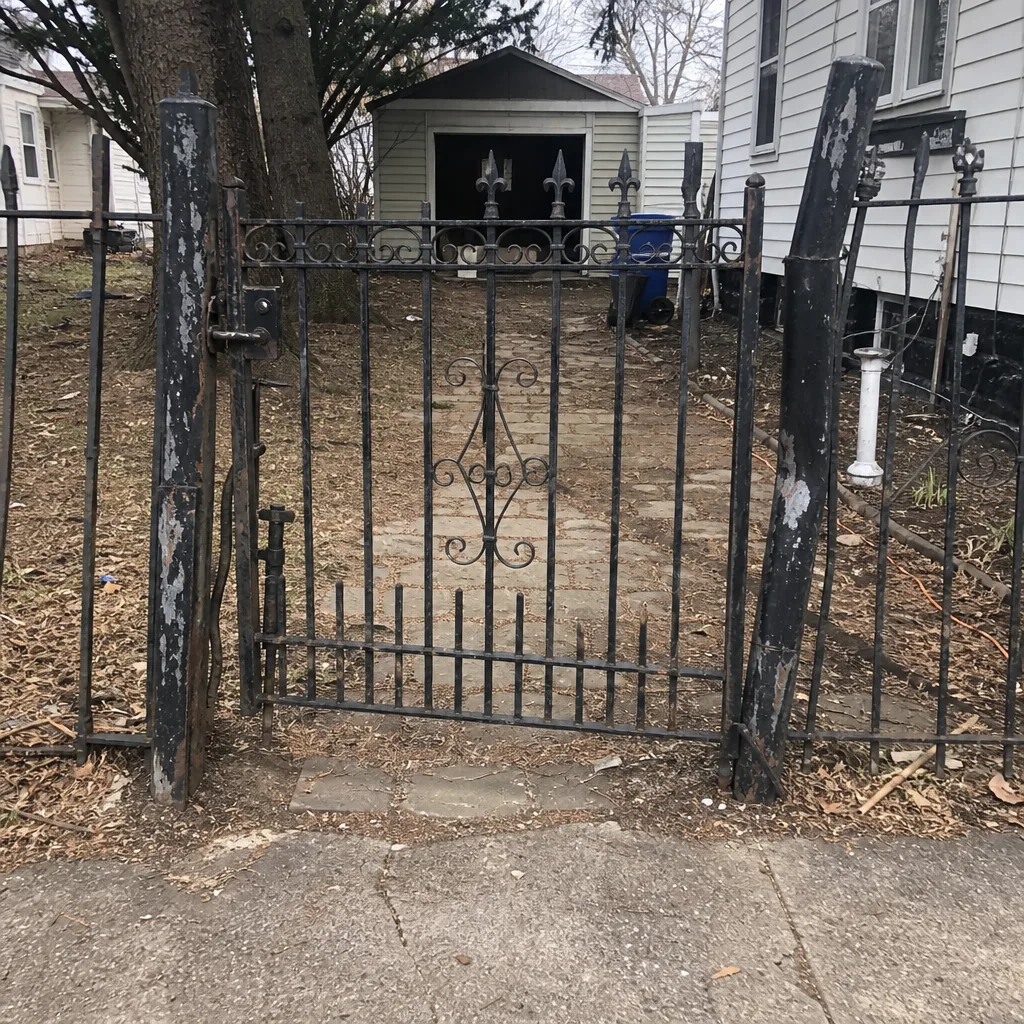 Before
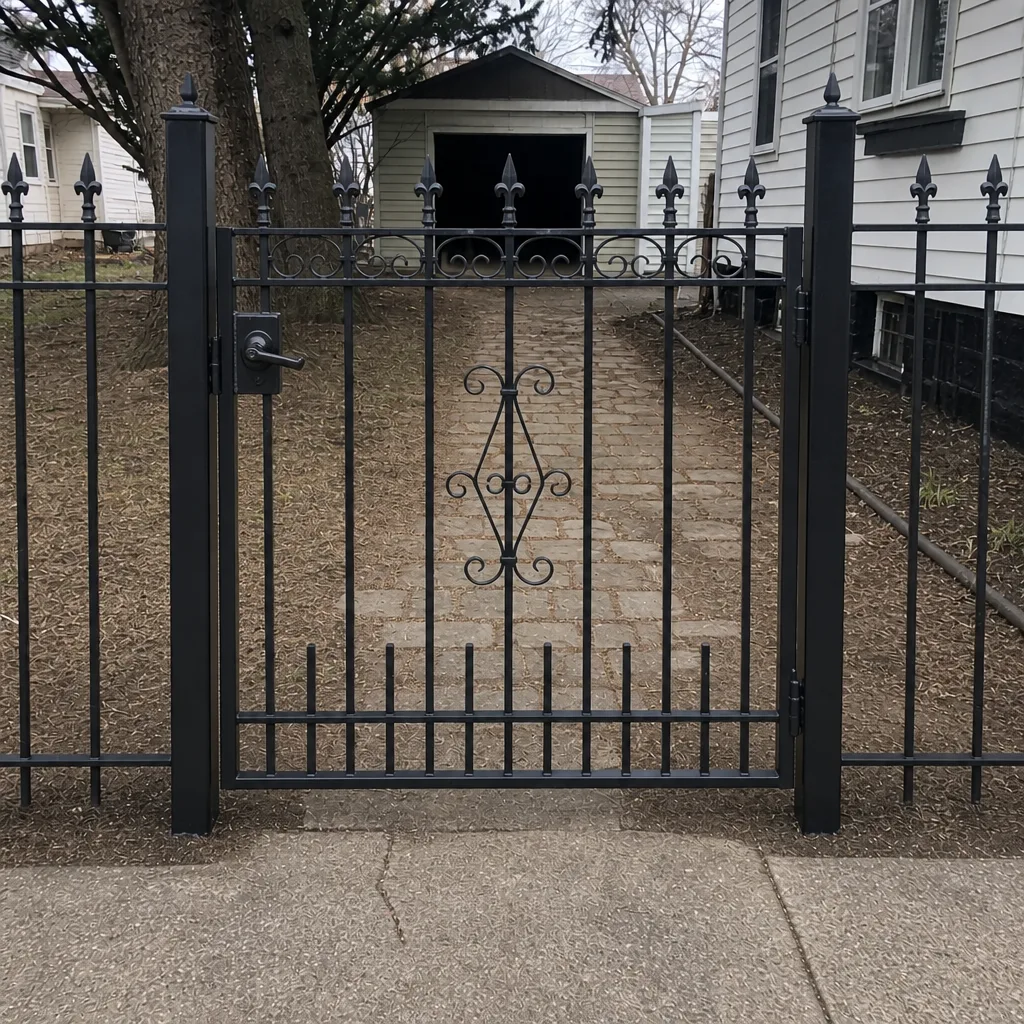 After
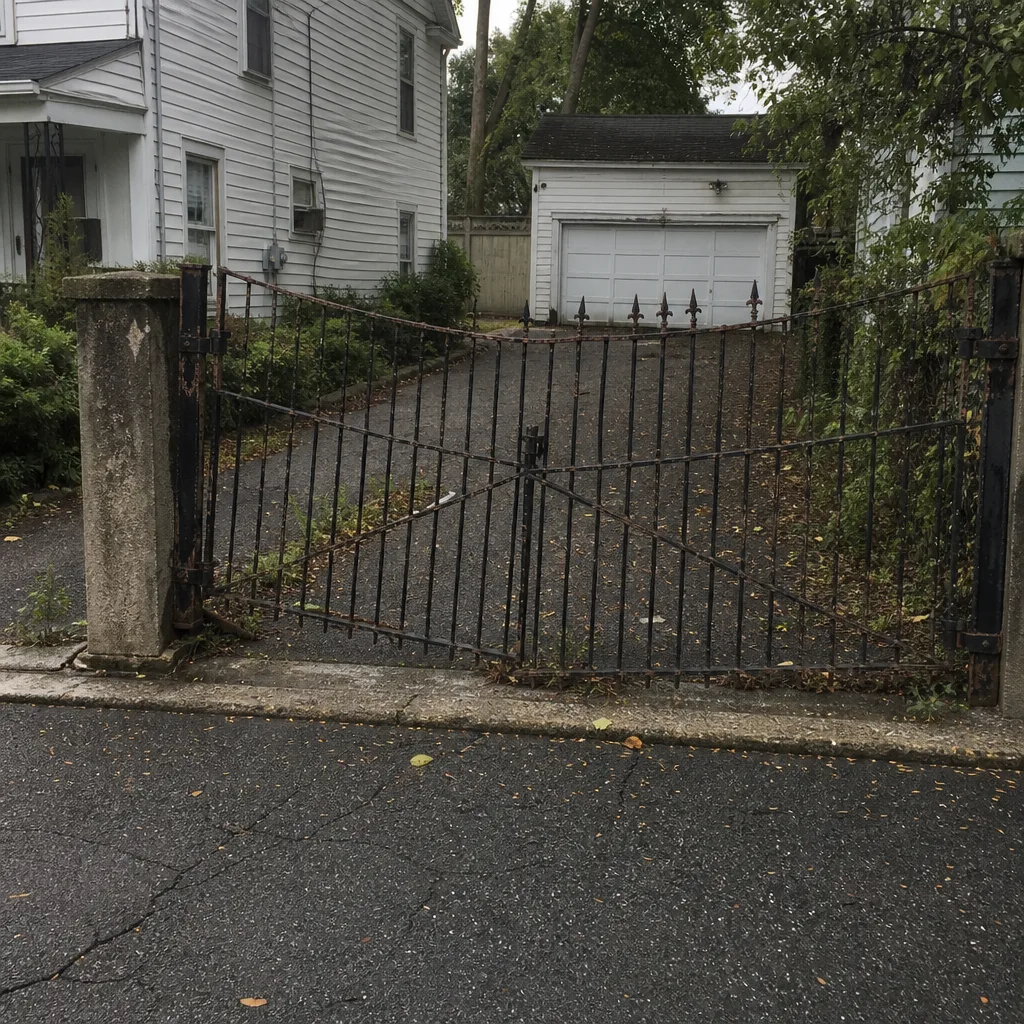 Before
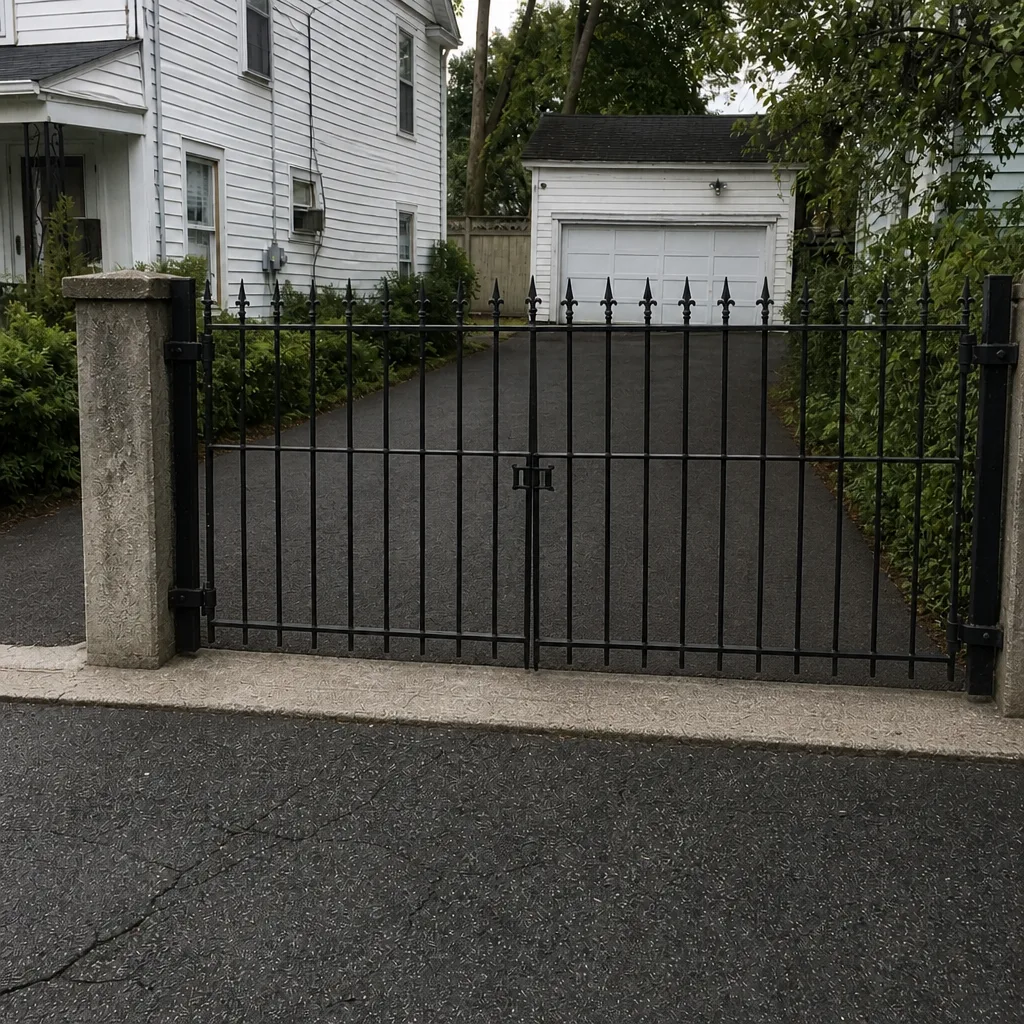 After
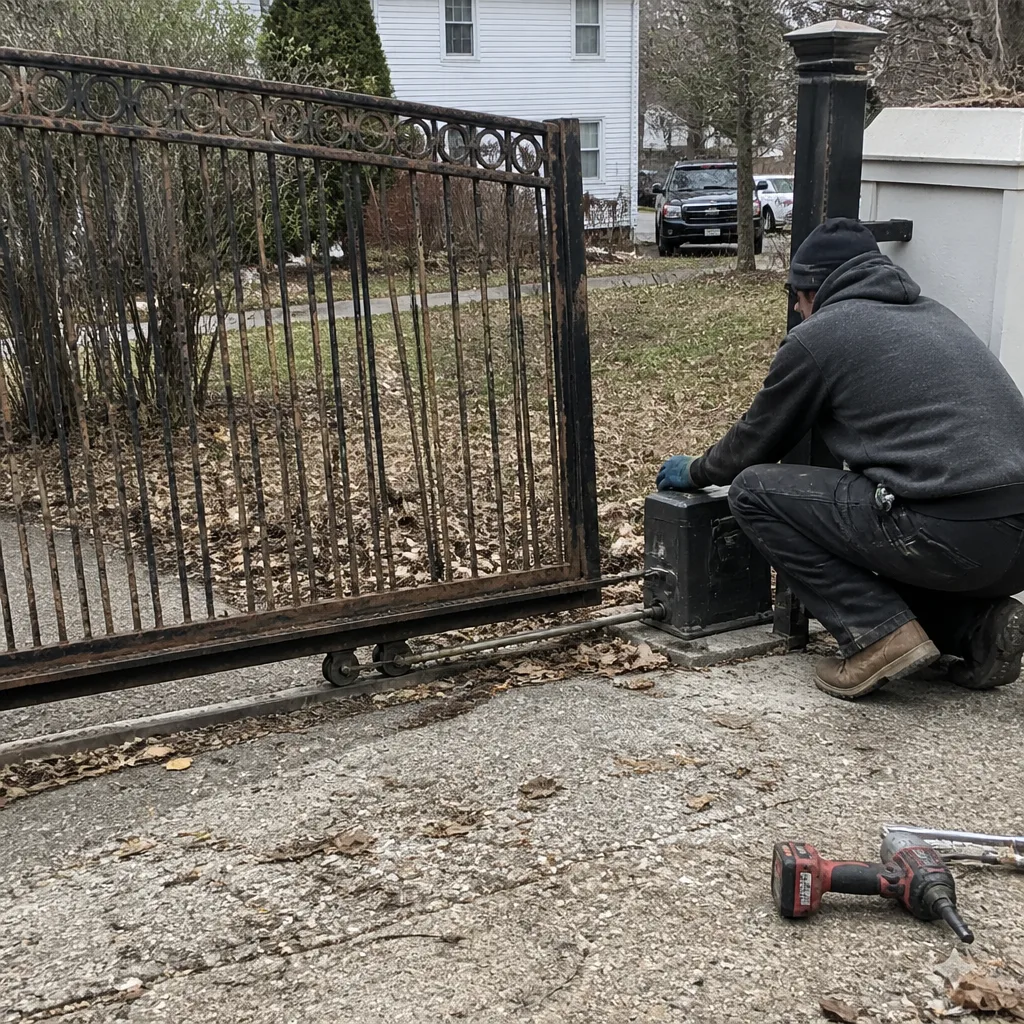 Before
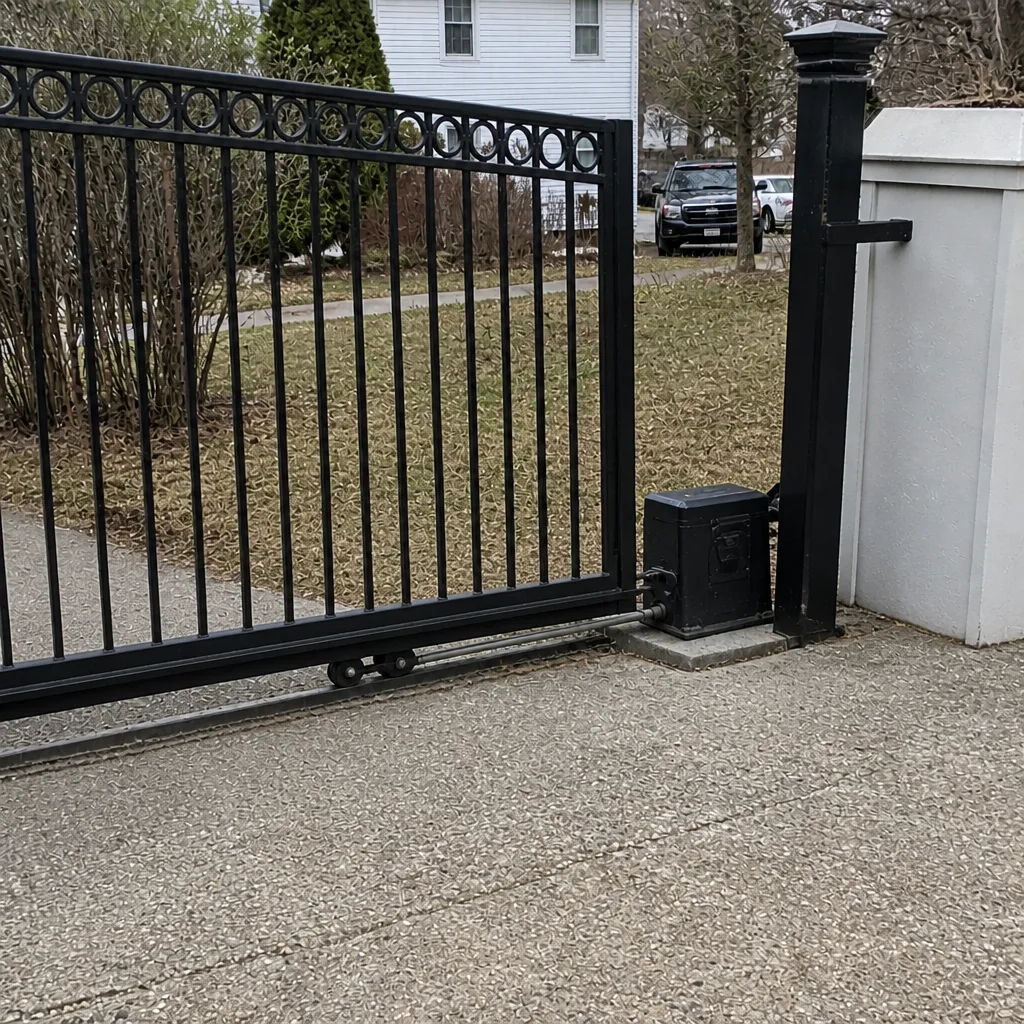 After