
Last updated November 15, 2026
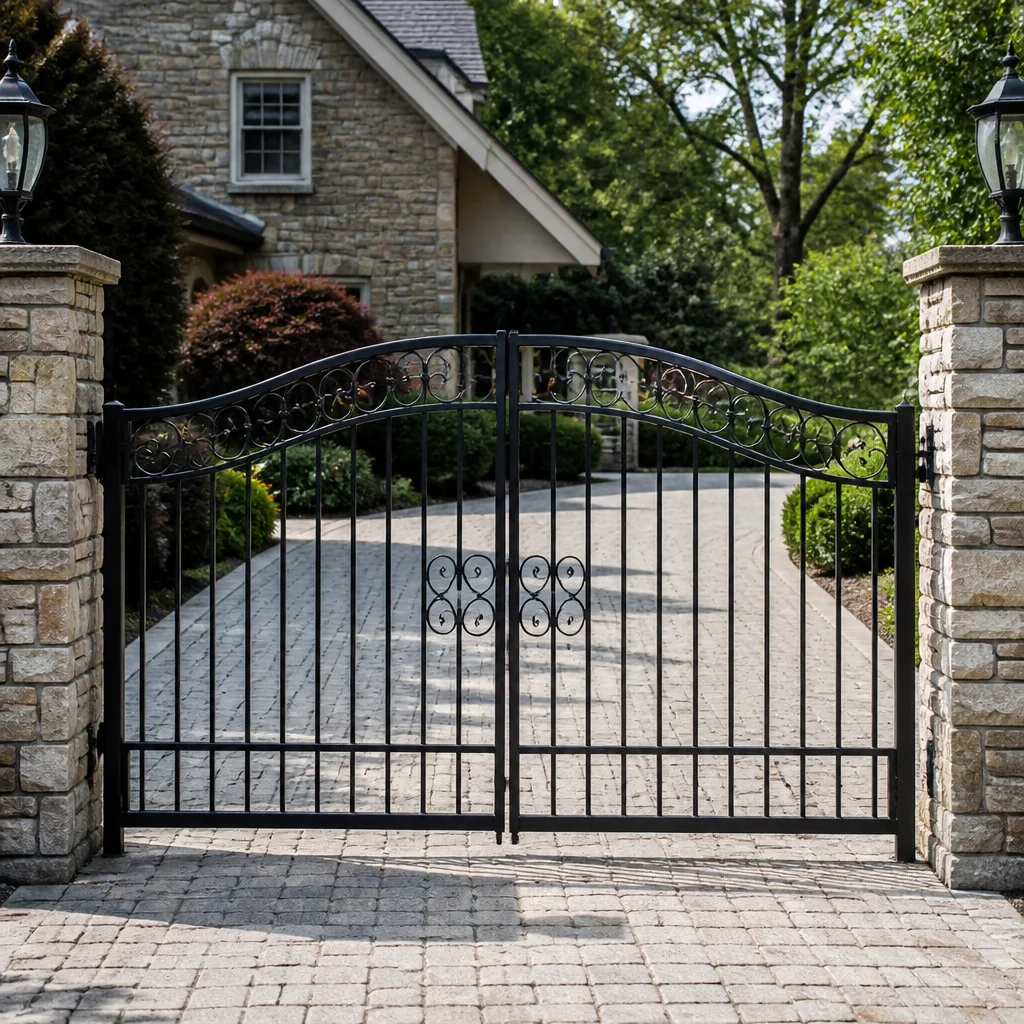 Wrought iron
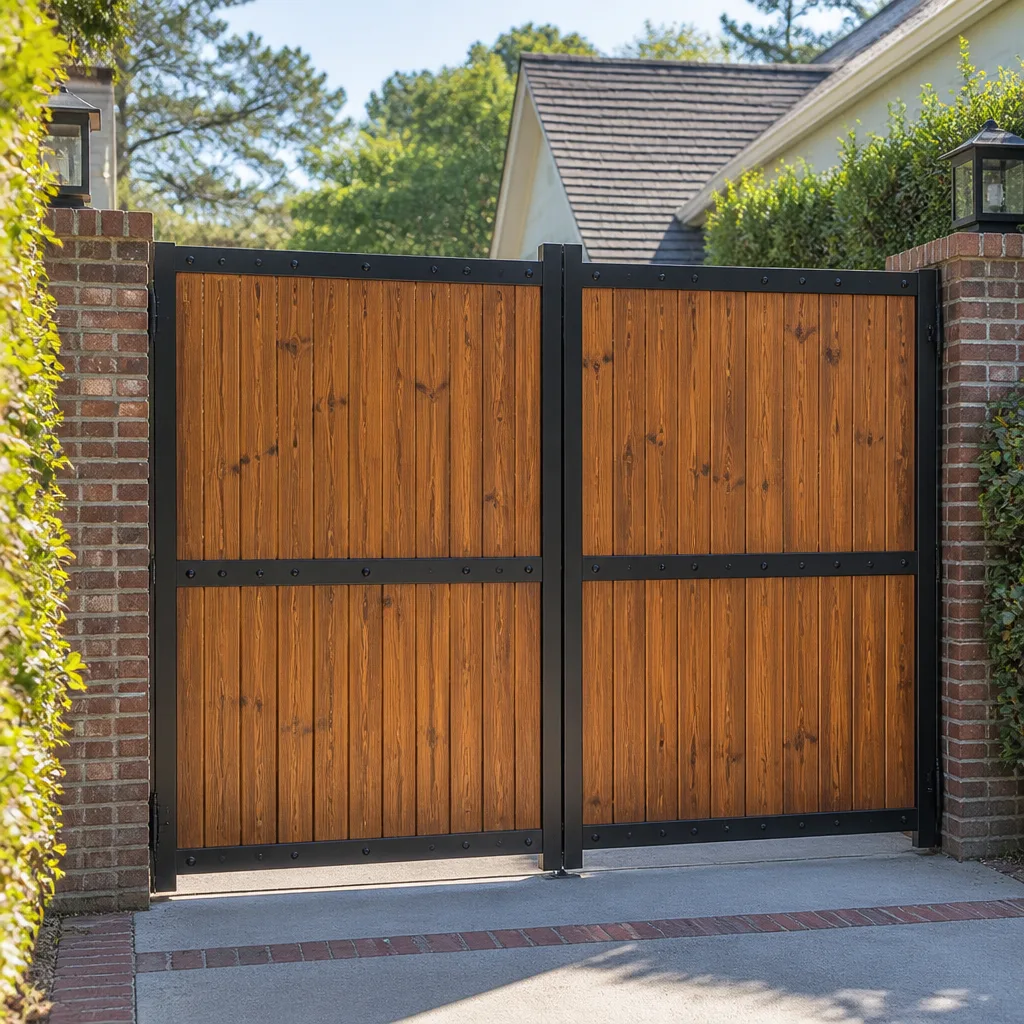 Wood & steel frame
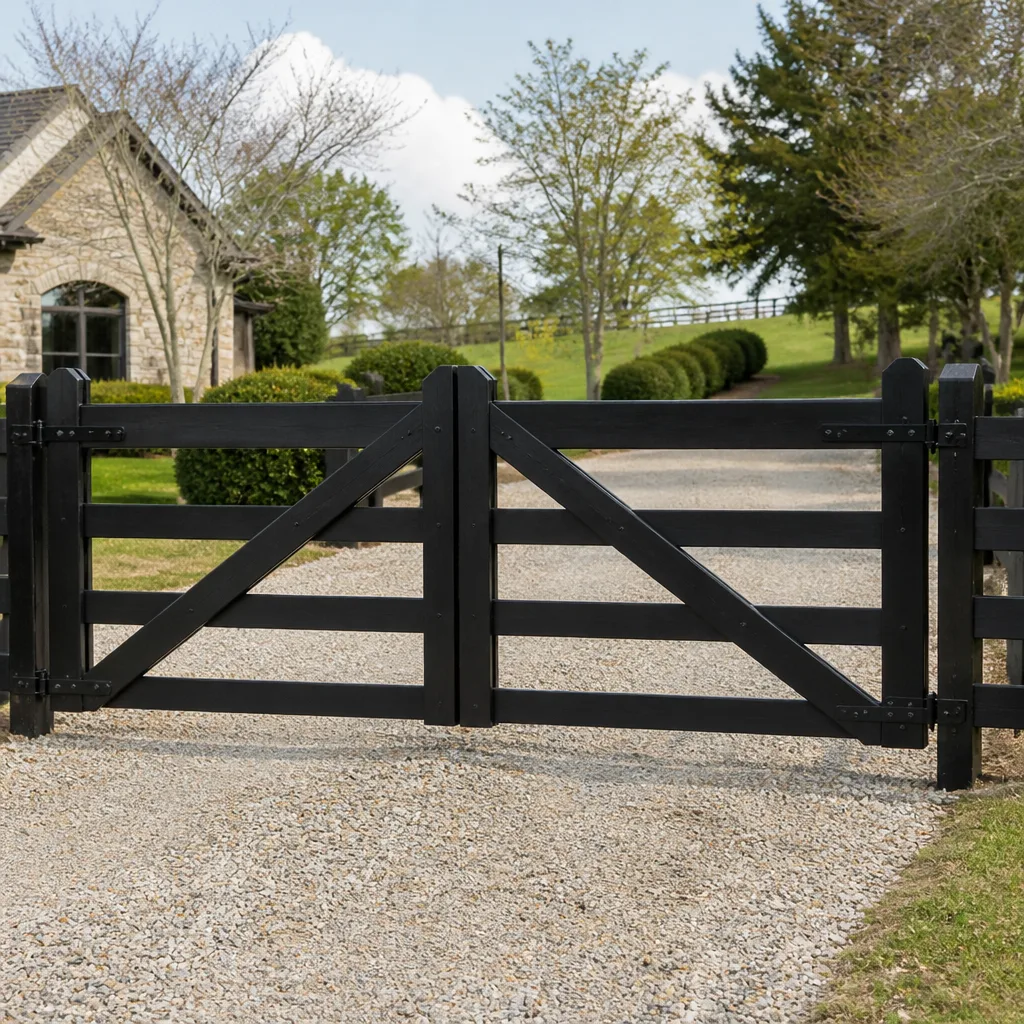 Farm & ranch
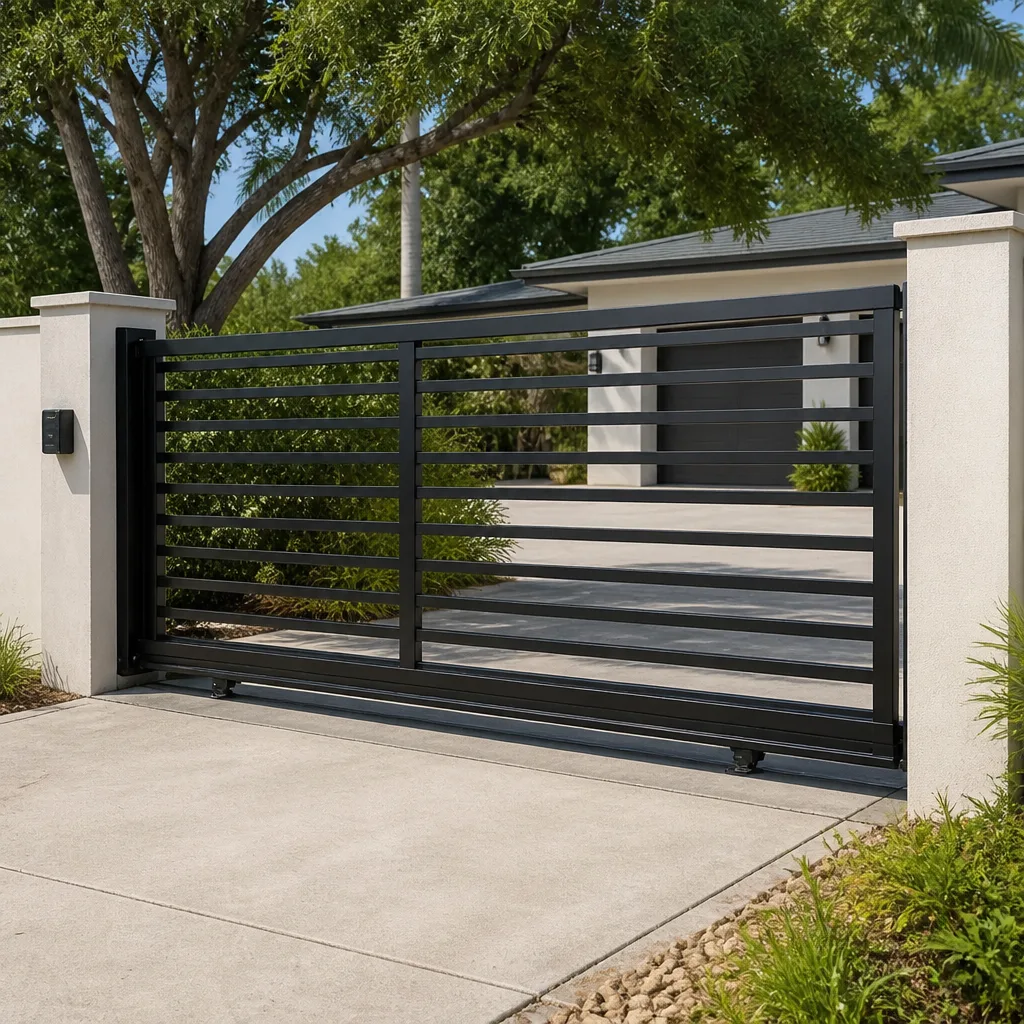 Sliding driveway gates
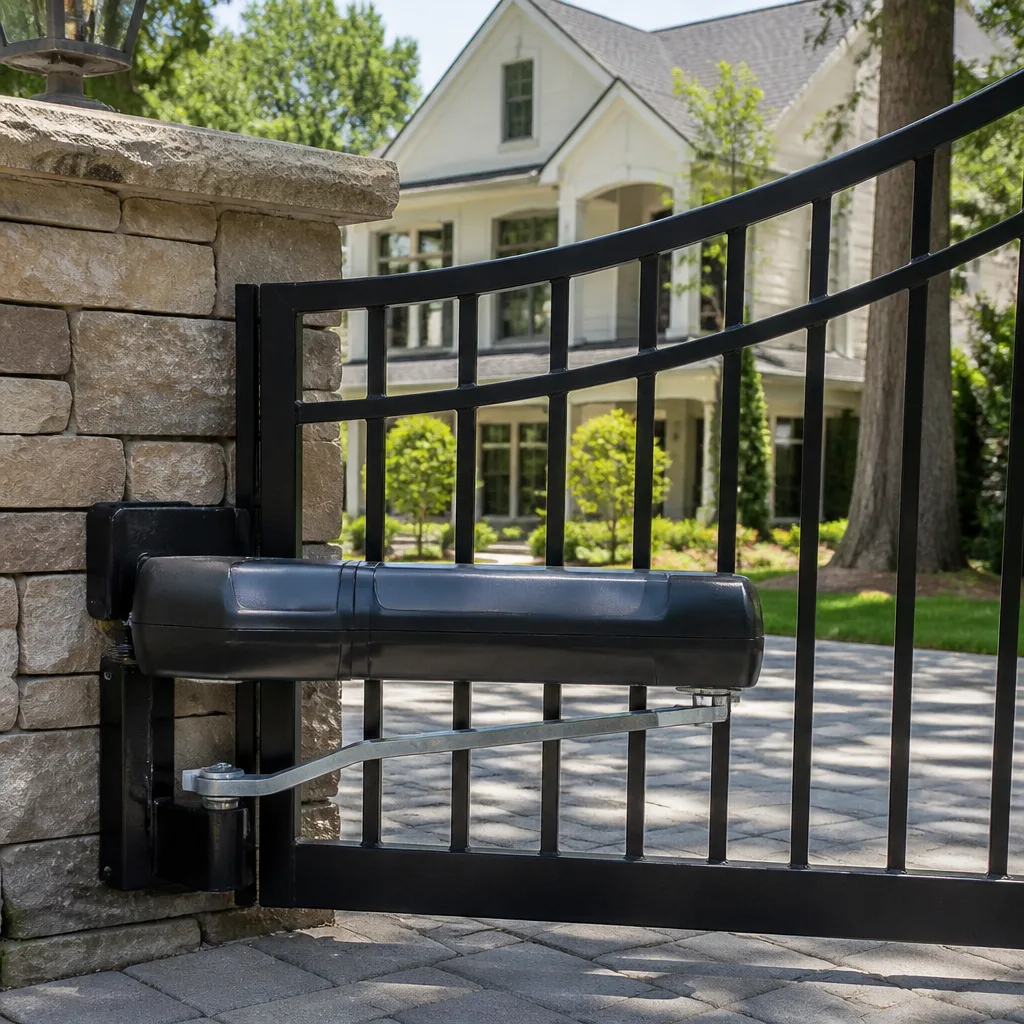 LiftMaster operators
Free on-site gate assessment - hinges, posts, and your LiftMaster or Nice gate operator checked before anything is quoted
The assessment is free and the quote is the invoice.
Get your free estimateHow to Hire a Gate Repair Contractor in Albany: A Step-by-Step Guide
Most gate repair callbacks we see in Albany don’t happen because the fix was hard. They happen because the person who showed up wasn’t a gate specialist. A fence company, a garage door technician, or a handyman took the call, replaced a part, and left. The gate worked for a while. Then it didn’t. The reason is simple: a gate is not a fence and it is not a garage door. It’s a system with mechanical linkages, an operator, a control board, safety sensors, and either a swing arm or a slide track, and every one of those layers has its own failure modes. This guide walks you through how to hire someone who actually knows that system, using the exact questions, red flags, and estimate-reading rules that separate a gate specialist from a generalist who lists gates on a service menu.
Quick Answer
To hire a gate repair contractor in Albany, verify gate-specific experience before anything else. Ask how many years they’ve worked on gates, which operator brands they service, and whether they diagnose both mechanical and electronic failures in one visit. Then get a written estimate with itemized parts and labor, confirm what the warranty covers, and put nothing in motion until the price is quoted and agreed before work starts. Call (866) 942-6084 for a free estimate.
Styles & brands we work with
- Wrought iron
- Wood & steel frame
- Farm & ranch
- Sliding driveway gates
- LiftMaster operators
Table of Contents
- The Five Interview Questions That Expose a Generalist
- Licensing and Insurance for Gate Automation in New York
- How to Read a Gate Repair Estimate for Red Flags
- What a Gate Repair Warranty Should Actually Cover
- Stocks Parts vs. Orders Parts: Why It Matters
- Brand Fluency: What to Ask About Your Operator
- Why Albany Weather Tests Gate Hardware
- The Step-by-Step Hiring Process
The Five Interview Questions That Expose a Generalist
A contractor can list “gate repair” on a website and still have never opened a control board. The fastest way to tell the difference is to ask questions whose answers require real gate experience. These five work because a generalist can’t fake the specifics.
- “Do you diagnose the operator and the mechanical system in the same visit?” A gate has two halves that fail independently. A specialist tests both before quoting. If the answer is “we’ll take a look at the operator next time” or “we’d need to call an electrician,” that’s a red flag. Electric and automatic gate repair is a core skill, not a handoff.
- “Which operator brands have you worked on?” A good answer names several. A gate specialist will recognize a DoorKing control board, a LiftMaster arm, or a Mighty Mule residential operator and know their differences. If they name one brand and steer everything toward it, they may be selling rather than repairing.
- “What are the typical failure points on a swing gate versus a slide gate?” A specialist talks about arms, hinges, and limit switches on swing gates, and about tracks, rollers, and chain tension on slide gates. A generalist gives a vague answer.
- “How do you handle safety sensors and loop detectors?” These are the parts that general handymen routinely misdiagnose. A specialist can explain how they test a loop detector and what causes false triggers.
- “Will you give me a written estimate with part numbers before any work starts?” The answer should be an unqualified yes. Anything else means you could get an invoice that doesn’t match the quote.
Ask these on the phone before you book anything. The answers tell you more than any review ever will. And if a contractor gets defensive or vague on question four, that alone is a reason to call someone else.
Licensing and Insurance for Gate Automation in New York
Gate automation sits at the intersection of construction trades and electrical work, and that’s exactly where licensing questions get muddy. In New York State, general contractor licensing is handled largely at the local level, and Albany is no exception. There’s no single statewide gate contractor license. What matters is whether the contractor carries the right insurance, can explain their electrical competency, and operates within the permit rules your city requires.
Here’s what to verify before hiring anyone in Albany:
- General liability insurance: Ask for a certificate of insurance and confirm it’s current. It should name the work being done, not a generic “handyman services” policy.
- Workers’ compensation: If they have employees, this matters. An uninsured worker injured on your property can create liability for you.
- Electrical competency: Gate operators run on line voltage. Ask how they test and handle the power side. A specialist talks clearly about this. A generalist either downplays it or shrugs.
- Permits: Ask whether your project needs one and who will pull it. Most cities require a permit for gate installation and for electrical work on an operator. The contractor should know to check with Albany’s building department and tell you clearly whether a permit applies.
We can’t tell you what every contractor in Albany carries, but we can say this: any legitimate gate contractor should hand over proof of insurance without hesitation. If they don’t, walk away. Free estimates make it easy to get a second opinion on the whole job, so there’s no reason to gamble on an uninsured operator working near a heavy gate that could crush someone if a component gives way. Gate automation involves heavy panels, driven arms, and live wiring, so the insurance and competency questions aren’t paperwork formalities. They’re the safety check.
How to Read a Gate Repair Estimate for Red Flags
An estimate is a document. It tells you how clearly a contractor thinks about your job. A vague estimate usually means a vague diagnosis, which is how people end up paying twice. When you’re reviewing a written estimate in Albany, look for three things first: itemized line items, part numbers, and labor that adds up to the visible scope of the work.
Red flag 1: Vague line items. “Gate repair – $X” tells you nothing. A specialist itemizes. It might say “replace control board, part number shown, plus two hours labor.” If you can’t tell what’s being fixed, don’t sign.
Red flag 2: Missing part numbers. A quoted part should have a usable identifier. This protects you two ways: it confirms the contractor knows the exact part for your model, and it lets you compare. A missing part number often hides a part that was already on hand or a generic replacement that won’t fit correctly.
Red flag 3: Labor that doesn’t add up. If the estimate lists six hours of labor for a twenty-minute arm replacement, ask why. Labor estimates should match the described work. If the line items are clear but the hours are inflated, you’re looking at a padded invoice in waiting.
Red flag 4: No mention of diagnosis. A good estimate shows how the contractor found the problem. A gate that “just stopped working” can fail at the operator, the control board, a sensor, or the mechanical linkage. The estimate should say which one and why.
Red flag 5: No written scope. The final price is set per job by the written estimate. If there’s no written document, there’s no agreed price, and that’s how surprise invoices happen. Our rule is simple: the price is quoted and agreed before any work starts. If you’re comparing estimates and unsure whether a contractor is being straight with you, it’s worth calling for a second written quote.
What a Gate Repair Warranty Should Actually Cover
A gate repair warranty should cover three separate things: the part, the labor used to install it, and an adjustment period that catches problems after the button is pressed a few times. If any one of those is missing, the warranty is thinner than it sounds.
Here’s what to ask before the work starts:
- Parts coverage: How long is the replacement part covered, and by whom? A contractor warranty and a manufacturer warranty are different things.
- Labor coverage: If the same part fails in the warranty window, does the contractor return to fix it at no charge?
- Adjustment period: Gates settle. The operator may need a limit readjustment after the first weeks of use. Ask whether that is covered.
- Exclusions: Weather, misuse, and physical damage are usually excluded, and that’s fair. But find out whether normal wear and tear from daily cycling is excluded too.
- What voids it: A warranty that requires inspecting something you can’t inspect isn’t worth much. Ask what would void the coverage.
Walk away from any warranty offered verbally only, any warranty that covers parts but never labor, and any warranty with a shorter window than the part’s own manufacturer coverage. The best sign of confidence is a contractor who can explain exactly what they’ll stand behind.
Stocks Parts vs. Orders Parts: Why It Matters
Whether a contractor keeps gate parts on hand or orders them changes your timeline and your leverage. A contractor who orders the part typically can’t confirm it fits until it shows up. That means a return visit, a wait, and sometimes a second trip out. A contractor who deals with gate parts regularly, and knows a DoorKing or LiftMaster control board from memory, can often confirm fit and sourcing before the first visit ends.
The practical difference for a gate that won’t open in Albany is real. Somebody who orders everything is looking at a scheduling gap between diagnosis and repair. Somebody with access to gate-specific parts is looking at fast diagnosis, the right part, one visit. Neither is always faster, but the pattern matters.
Ask two questions:
- “Do you have this part or can you get it confirmed today?” The answer tells you whether you’ll be waiting.
- “If the part doesn’t fit, who pays for the return visit?” A specialist who diagnosed correctly absorbs that risk. A generalist may bill you twice.
Here’s the leverage point. If a contractor orders a part that doesn’t fit, you’re often stuck with a gate mid-repair and a second wait. That’s why a gate specialist who knows the model and the part before ordering is worth choosing over a generalist racing to keep a door-to-door schedule. Fast diagnosis, the right part, one visit isn’t a slogan for a gate-only shop. It’s the way the scheduling works.
Brand Fluency: What to Ask About Your Operator
Gate operators aren’t interchangeable. A residential Mighty Mule and a commercial DoorKing run different control logic and different safety chains. Brand fluency means the contractor has worked on your specific operator, not just one they prefer to sell.
Before you hire, ask these questions about your own equipment:
- What brand and model is my operator, and how is it configured? If they can’t read the label and explain it, that’s telling.
- Have you worked on this brand before? A good specialist will name several brands they handle, including residential and commercial lines.
- Do you typically recommend repair or replacement on this generation? A brand-agnostic contractor fixes what you have rather than pushing a replacement or a brand switch.
- Do you handle the safety sensors and loop detectors on this unit? These are separate from the operator itself and easy to overlook.
Our technicians have up to experience across nine major gate brands, including LiftMaster, FAAC, BFT, Linear, Viking, Ghost Controls, DoorKing, Elite, and Mighty Mule. That range matters because when a gate fails, the repair path usually depends on the operator, not the fence around it. If you want to understand what full-service electric gate repair looks like, fault-finding on the control board is the place a specialist starts.
Why Albany Weather Tests Gate Hardware
Albany has real seasons, and a gate lives outside for all of them. Freeze-thaw cycles contract and expand metal, ground movement shifts post footings, and heavy snow and spring thaw add weight and moisture. A slide gate track can heave slightly over a winter and stop engaging cleanly. A swing gate arm can bind when the hinges stiffen in cold weather. None of that means the gate needs replacing. It means the components need to be monitored by someone who understands how the seasons affect them.
This is one of the reasons a gate-only contractor is a better bet in Albany than a generalist. The specialist has seen the same hardware do the same seasonal things and already knows where to look. When a gate “works fine in summer and stops in winter,” a specialist suspects the mechanics first. A generalist often suspects the motor.
For property managers handling a commercial gate on a schedule, the same logic applies. Weather-related failures cluster around temperature swings, so a service visit that catches wear early is cheaper than a breakdown call. It’s worth asking a prospective contractor how they handle seasonal adjustments as part of routine repair.
The Step-by-Step Hiring Process
Here’s the sequence we’d follow if we were hiring a gate contractor. It keeps the process orderly and gives you a paper trail.
- Write down the symptoms. Does the gate not open, not close, open halfway, or cycle on its own? Note whether the fault is mechanical (sagging, dragging, misaligned) or electrical (no response, blinking controller, sensor trips). A clear description speeds up diagnosis.
- Call and ask the five interview questions. Listen for gate-specific answers. A specialist will talk about operators, control boards, and sensors. A generalist will talk about “taking a look.”
- Request a written estimate. Free estimates mean there’s no reason to accept a verbal number. If they can’t put the scope in writing, move on.
- Verify insurance and ask about permits. Get proof of insurance. Ask who pulls the permit if one is required.
- Compare estimates on scope, not just price. The lowest number means little if the line items are vague. Compare the part numbers, the labor, and the diagnosis.
- Confirm the warranty terms before work starts. Parts, labor, and adjustment period. In writing if possible.
- Get final approval on price. The price should be quoted and agreed before any work begins. There should be no surprises after the gate moves.
If your gate is broken now, it’s worth calling sooner rather than later. A gate that won’t close leaves a property open, and a gate that won’t open traps vehicles. We answer 24/7. Fast dispatch from 7am to 7pm, Sunday through Friday. A call outside dispatch hours is booked into the next opening, Sunday through Friday, 7am to 7pm. We’re closed Saturday.
Common Mistakes to Avoid
- Hiring a fence company that “also does gates.” Fence work and gate automation are separate trades. A fence company may install posts and panels beautifully and still not know how to diagnose a control board.
- Accepting a verbal estimate. A number you heard on the phone isn’t a price. Without a written scope, the final invoice can drift.
- Not asking about warranty coverage on labor. A parts-only warranty leaves you paying for the return visit if the same component fails.
- Assuming a gate failure means replacement. A brand-agnostic contractor can fix the operator you already have. Don’t accept a full swap without a clear explanation of why repair won’t work.
- Ignoring the safety sensors until they trip. A gate that reverses unexpectedly or refuses to close can be a sensor or loop detector issue. Generalists miss this and instead replace electrical parts.
- Booking a repair without confirming access to parts. A gate stuck mid-repair while someone waits on a part order is a frustrating place to be. Ask about sourcing before the visit.
- Not checking what a permit requires in Albany. Installation and electrical work usually need a permit. Know who’s responsible before the job starts.
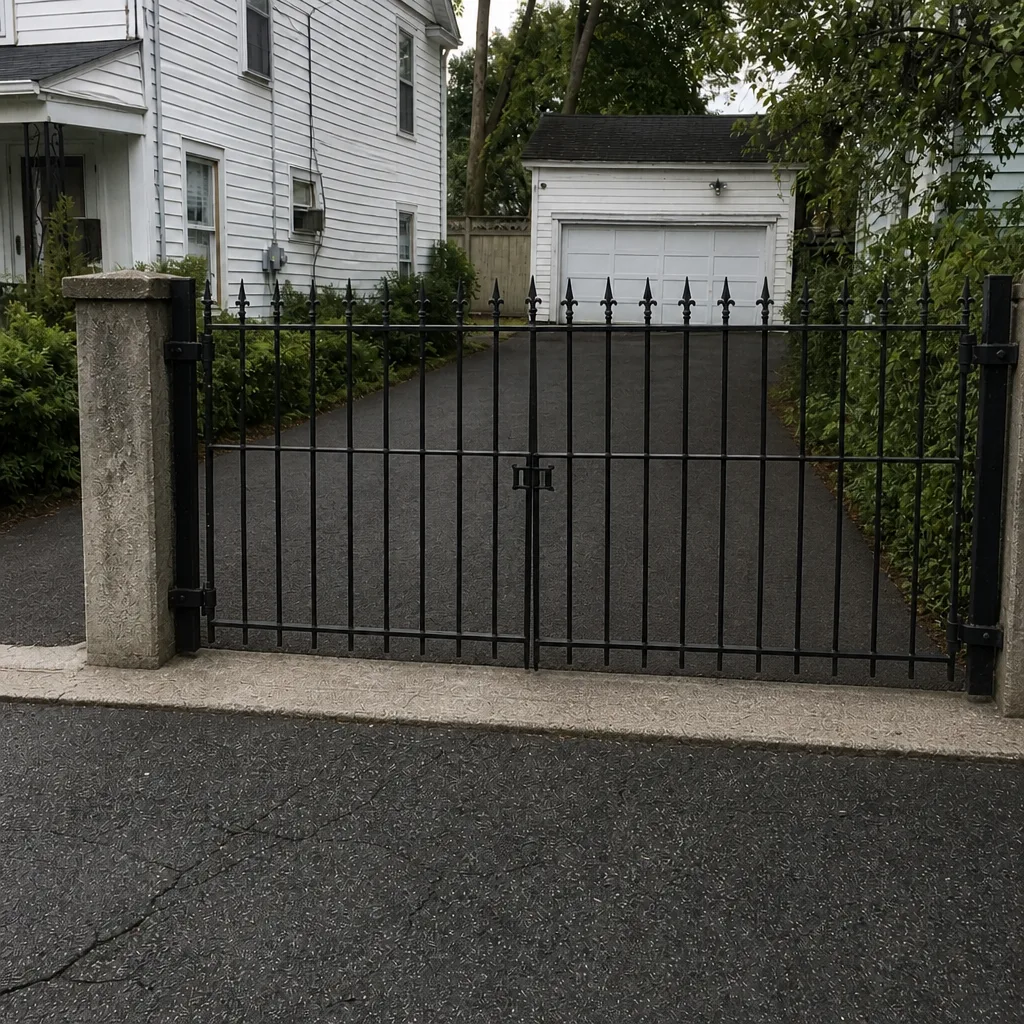
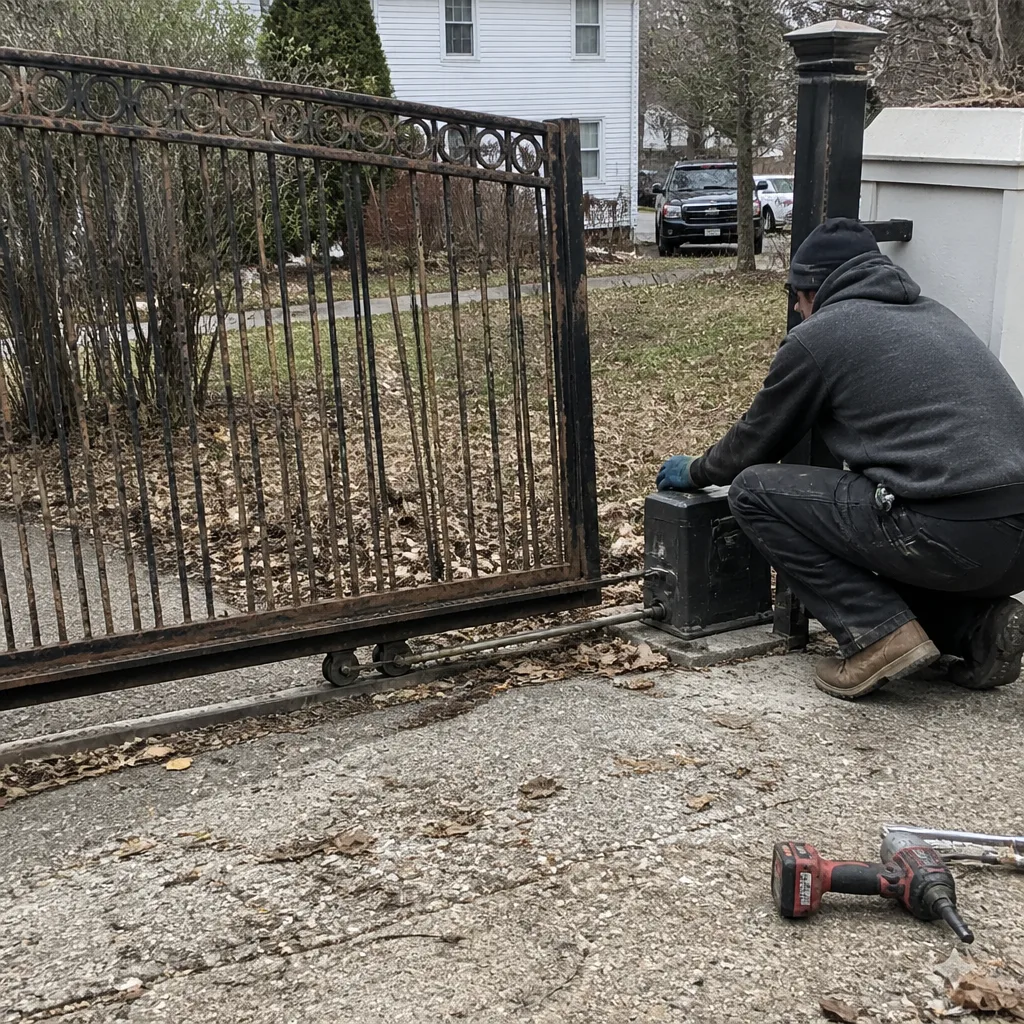
See the difference
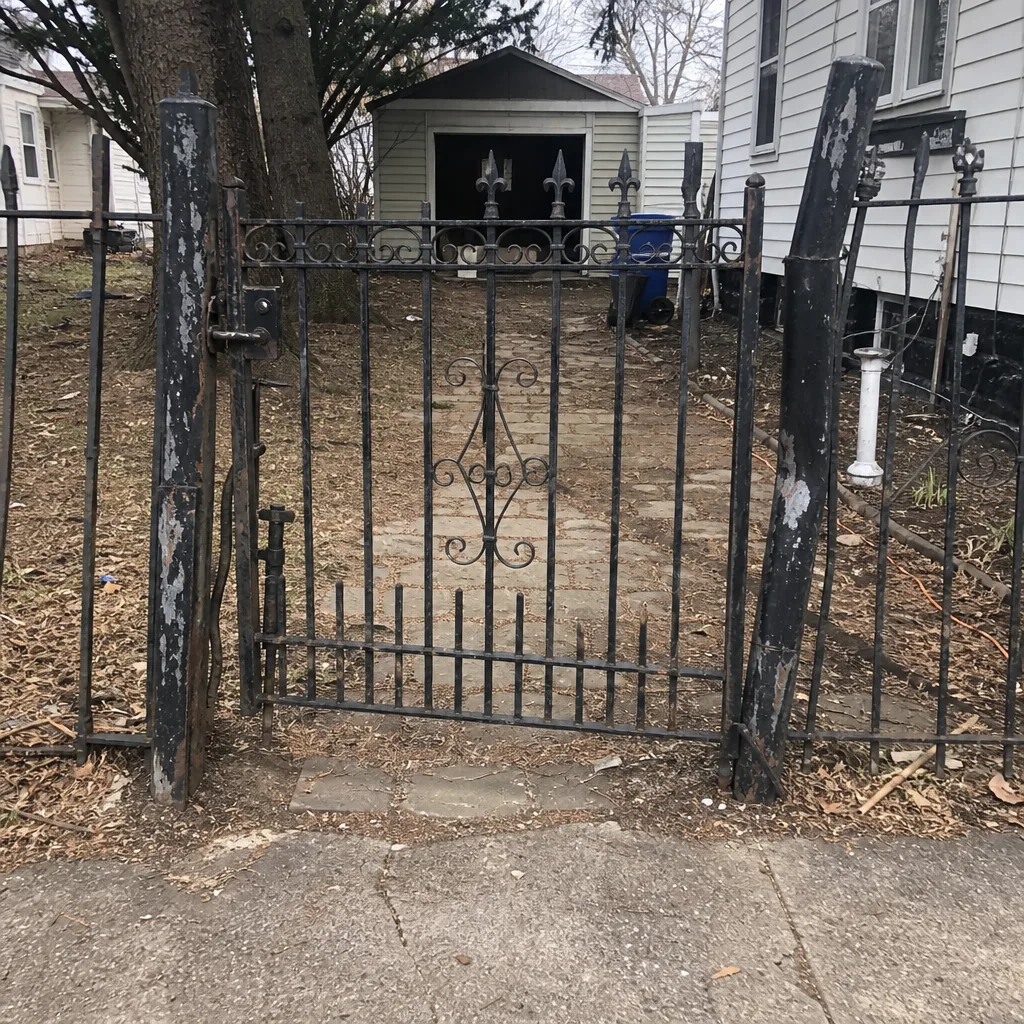 Before
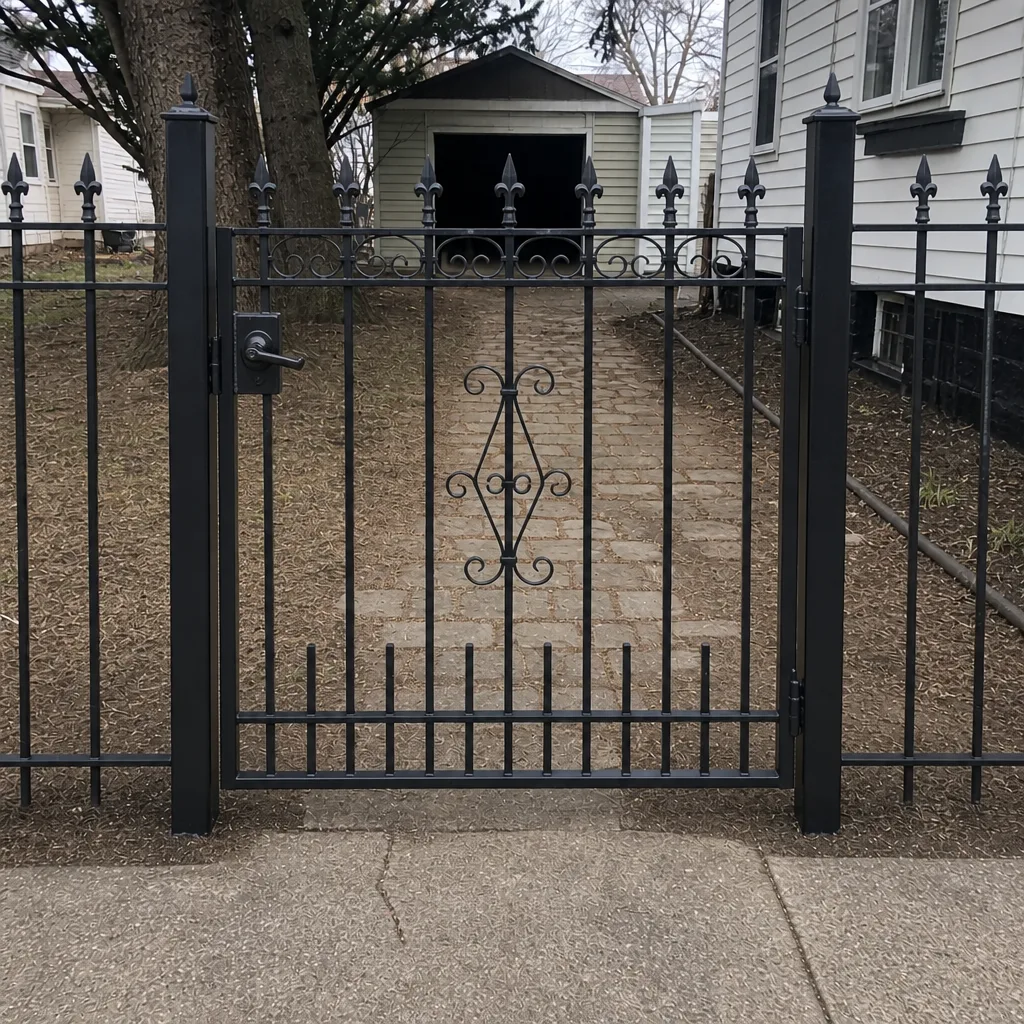 After
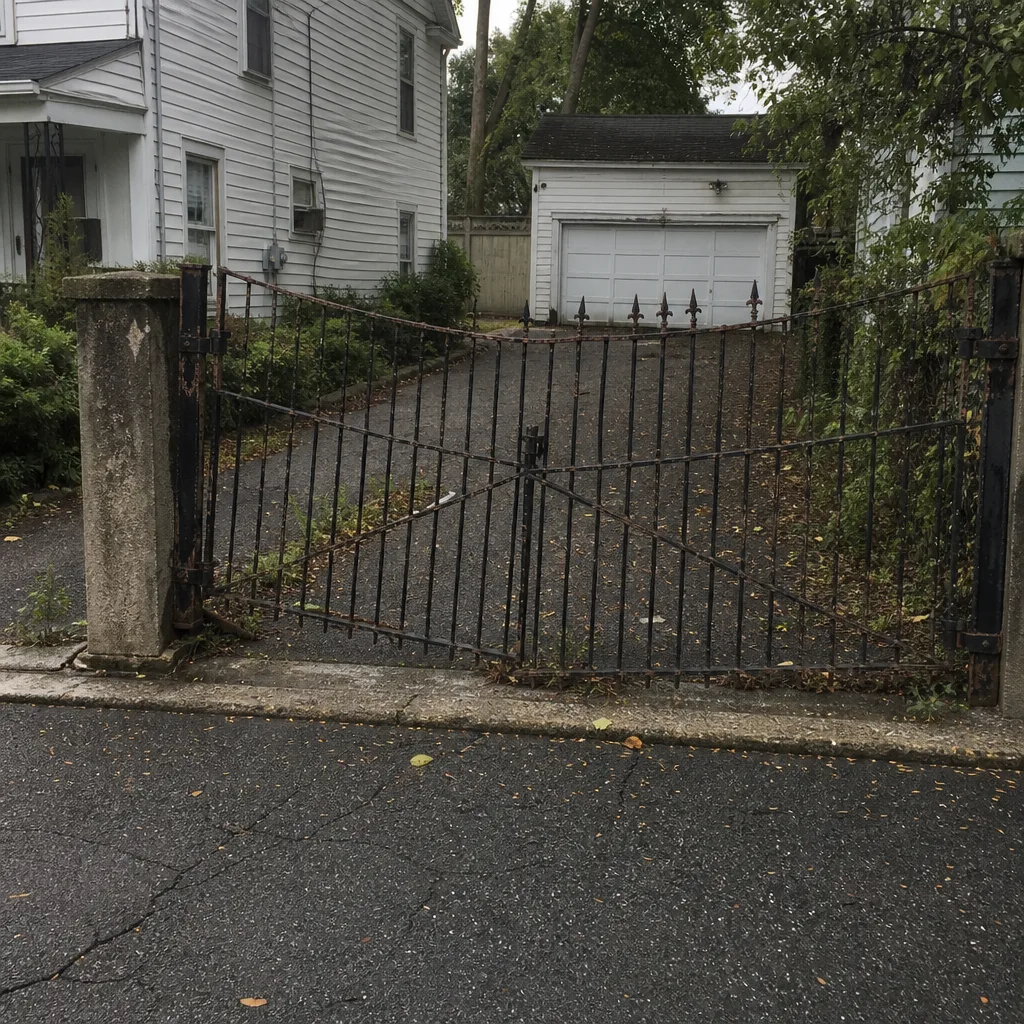 Before
 After
 Before
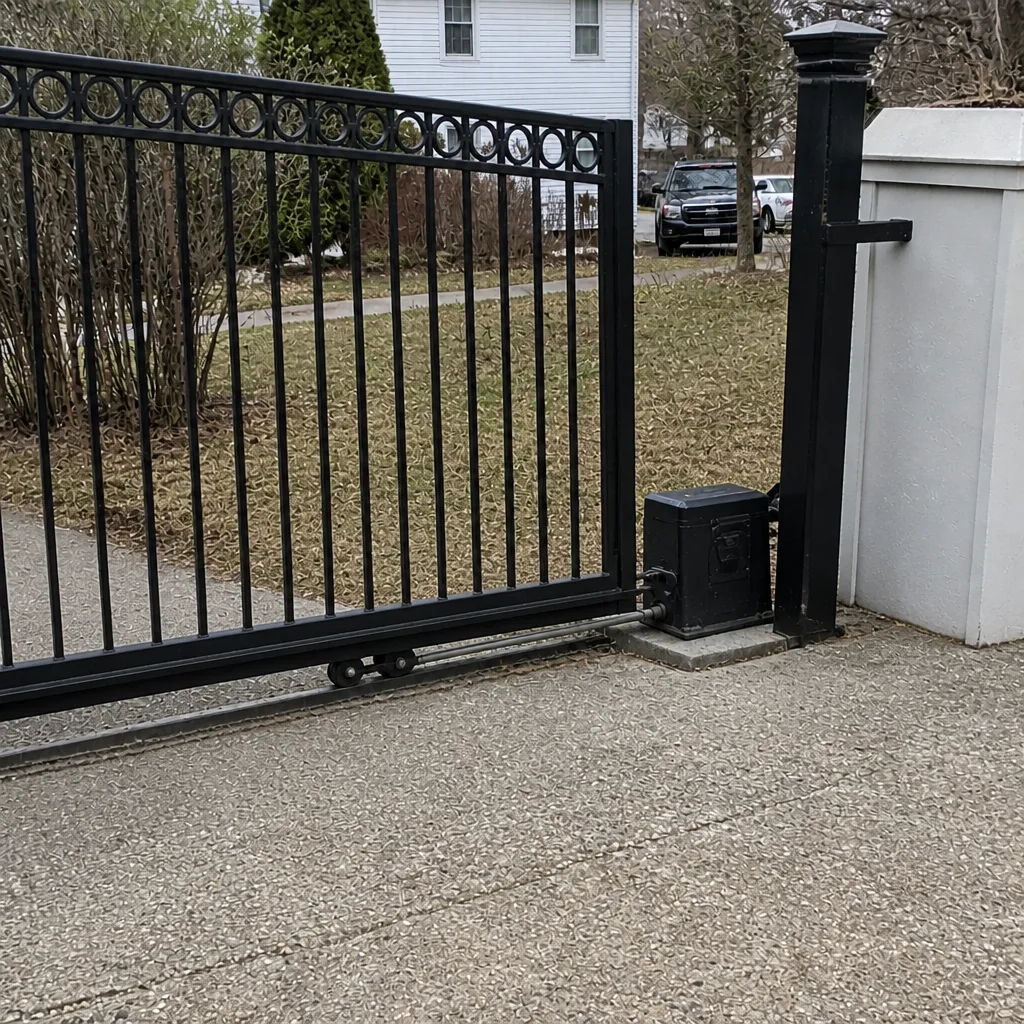 After
When to Call a Professional
Call a gate professional when the gate won’t move, moves erratically, reverses on its own, or makes new noises that don’t go away. Call sooner if the gate leaves a property open or blocks a vehicle. Call immediately if you see sparking, smell burning, or notice exposed wiring, because gate operators run on line voltage and that’s not a job for a weekend DIY attempt. Heavy swing panels and slide gates can crush, and operators carry stored energy even when they seem off, so these faults need trained hands. Get help as soon as the symptom appears. Gate Repair Albany offers free estimates in Albany, and the price is quoted and agreed before any work starts. Call (866) 942-6084.
Frequently Asked Questions
Gate repair in Albany is priced per job by the written estimate, and the final price depends on the parts and labor your gate actually needs. There’s no flat rate because a sensor fault and a control board replacement are very different jobs. Every estimate is free and comes in writing, so you’ll know the scope and the price before anything starts. Call (866) 942-6084 for an exact quote.
In many cases, yes. We answer 24/7 and run fast dispatch from 7am to 7pm. A call outside dispatch hours is booked into the next opening, Sunday through Friday, 7am to 7pm. We’re closed Saturday. Call (866) 942-6084 to check what’s available for your gate.
A full gate installation includes the gate itself, the operator if you’re going electric, the control board setup, safety sensors, and any loop detectors for automatic operation. The site is measured and the work is scheduled, so it’s not a same-day repair visit. We’ll walk the property, confirm the requirements, and give you a written price before any work starts. Call (866) 942-6084 for a free measure and estimate.
Yes. Power connections and safety sensors are part of gate automation, not an extra. We diagnose the operator, wiring, and safety chain together so the fix is complete. If your gate is failing to close properly or the sensors are tripping, that’s often a wiring or detector issue. Call (866) 942-6084 to get it looked at.
No. We’re closed Saturday. Our dispatch runs Sunday through Friday, 7am to 7pm, and the phone line is answered 24/7. A call that comes in outside those hours gets booked into the next opening, Sunday through Friday. Call (866) 942-6084 to schedule.
Ask them to describe a swing gate fault and a slide gate fault in technical terms, name several operator brands they’ve worked on, and explain how they test a control board and a safety sensor. A gate specialist answers quickly and specifically. A generalist becomes vague. The best proof is a written estimate that shows how the problem was diagnosed before the repair was quoted. For a second opinion in Albany, start with Gate Repair Albany and ask the same questions.
The Bottom Line
Hiring a gate repair contractor in Albany comes down to verifying gate-specific experience before the first visit. Ask the five interview questions. Confirm insurance and check whether a permit applies. Demand a written estimate with part numbers and labor that adds up. Get warranty terms in writing before work starts, and ask how parts will be sourced. A specialist’s answers look different from a generalist’s, and a written estimate makes that difference easy to see. If you’d rather skip the vetting and talk to a specialist who knows the brands and the weather, we’re ready. Every job starts with a free written estimate, and the price is quoted and agreed before any work starts.
Call (866) 942-6084 for a free estimate. We answer 24/7. Fast dispatch from 7am to 7pm, Sunday through Friday. We’re closed Saturday. If your gate is stuck now and you’re in Albany, one call gets a specialist out to look at it and a written price in your hands before anything begins.
Looking for specialized gate repair? That’s the only trade we do, from a bent arm to a failed control board. Not sure what operator you’re working with? We can identify it and explain your options, whether it’s an Elite, a Mighty Mule, or a workhorse LiftMaster. Learning more about the trade and what we cover is easy through our Albany service page. Call (866) 942-6084 for a free estimate.
Written by the team at Gate Repair Albany.