
Last updated November 15, 2026
 Wrought iron
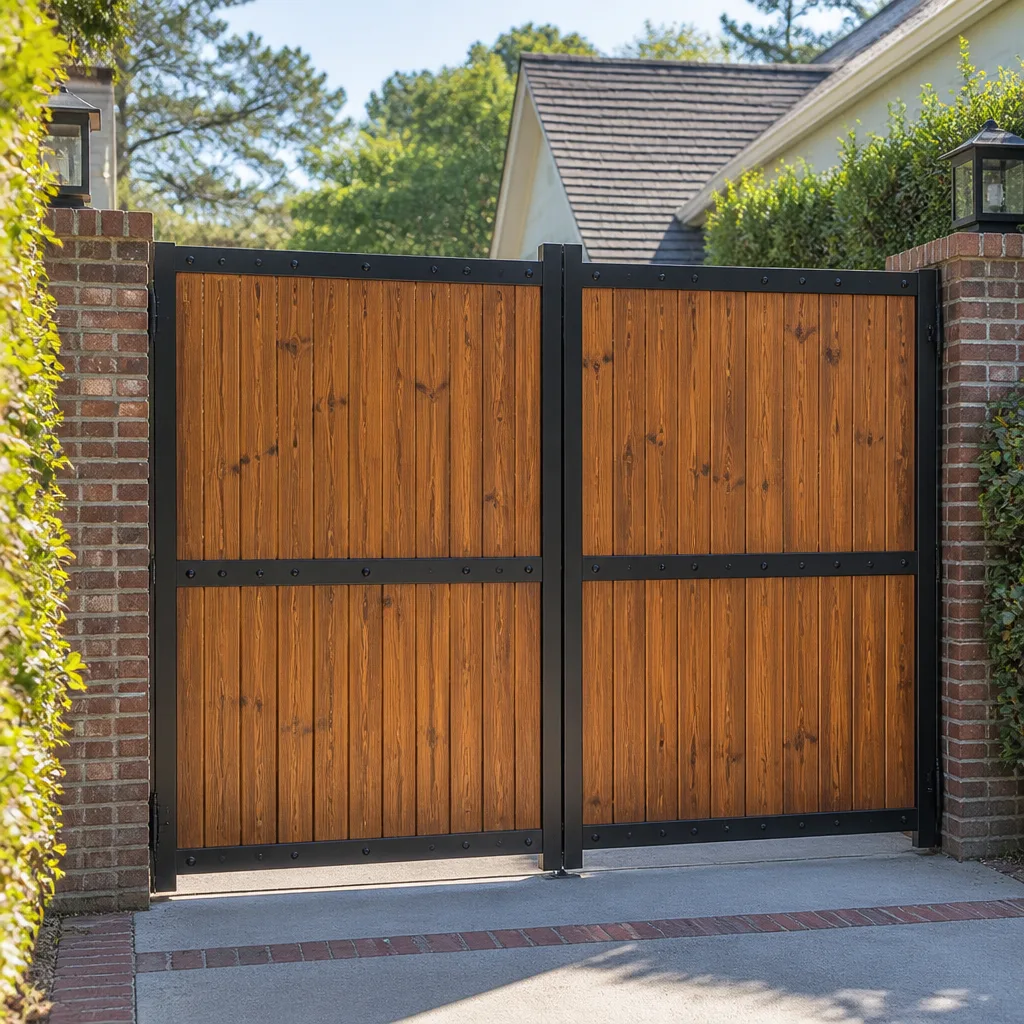 Wood & steel frame
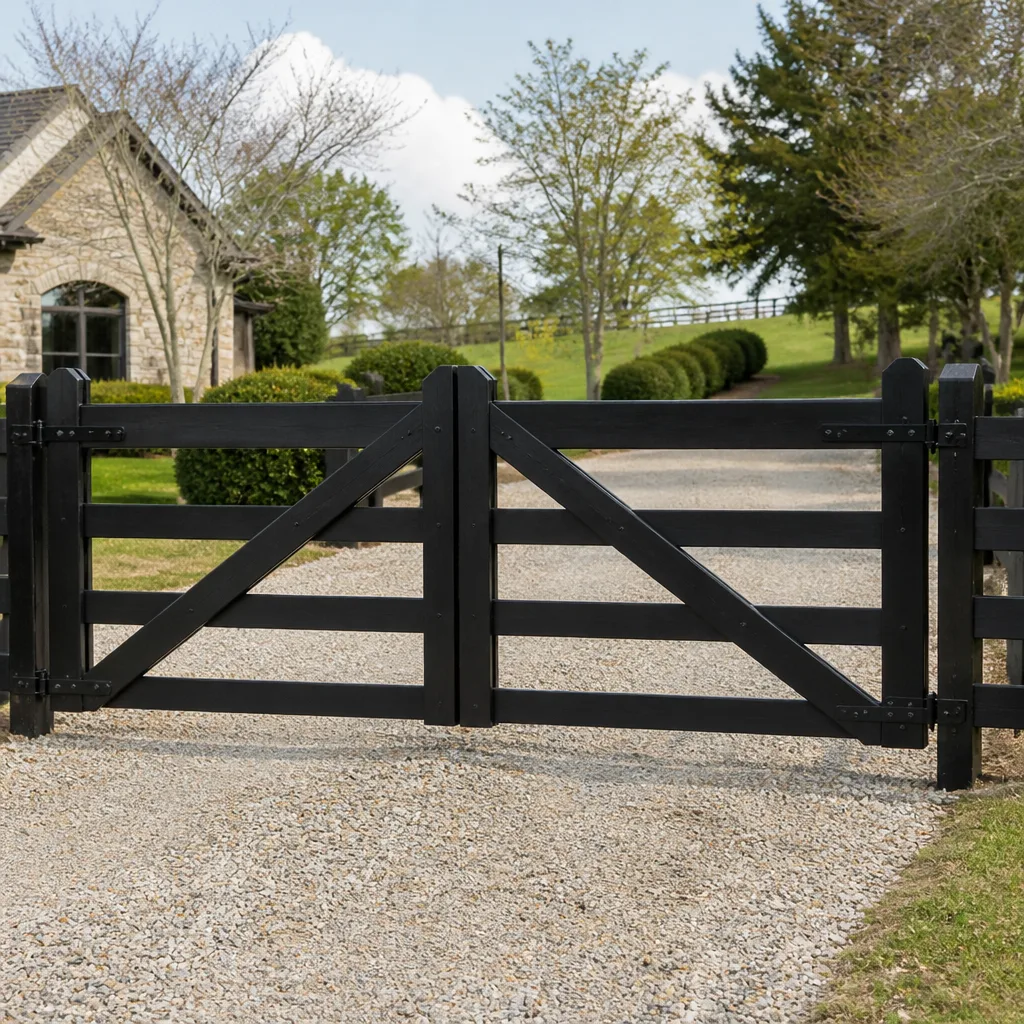 Farm & ranch
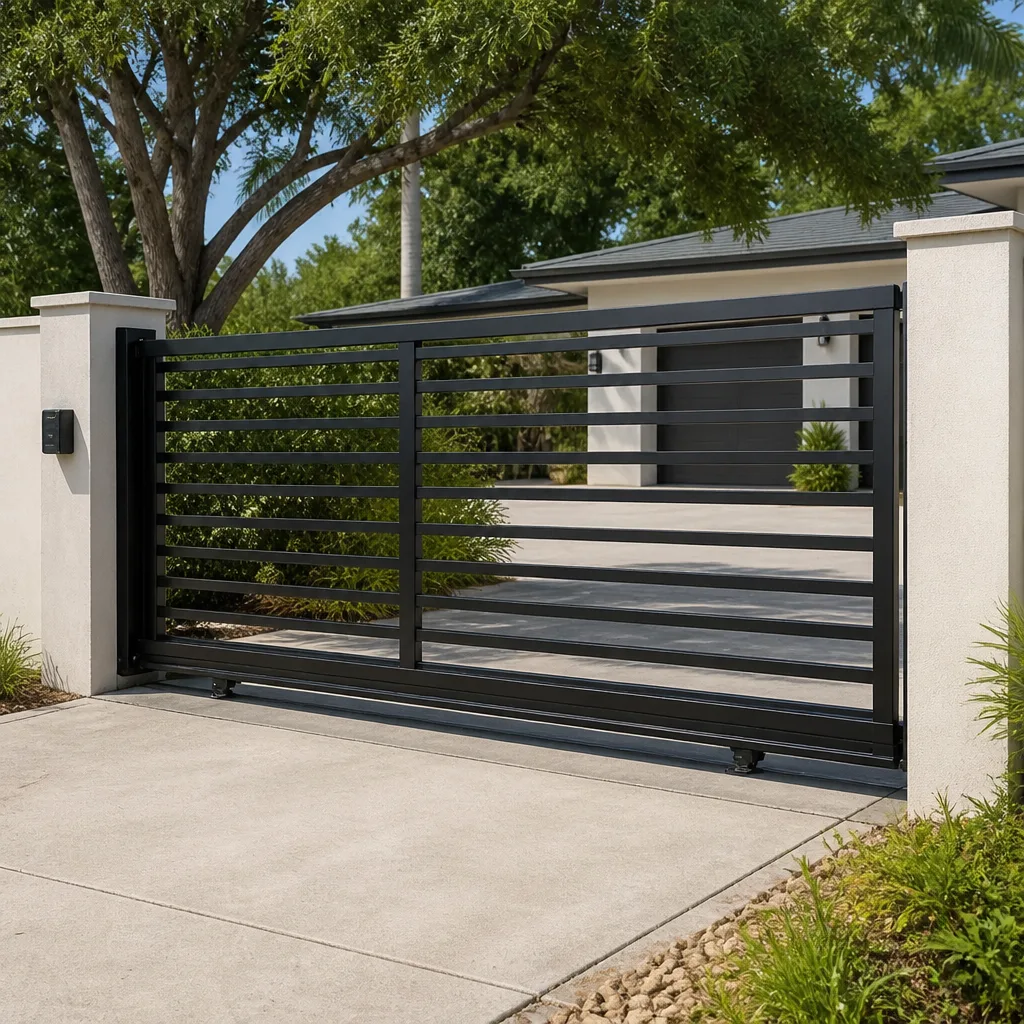 Sliding driveway gates
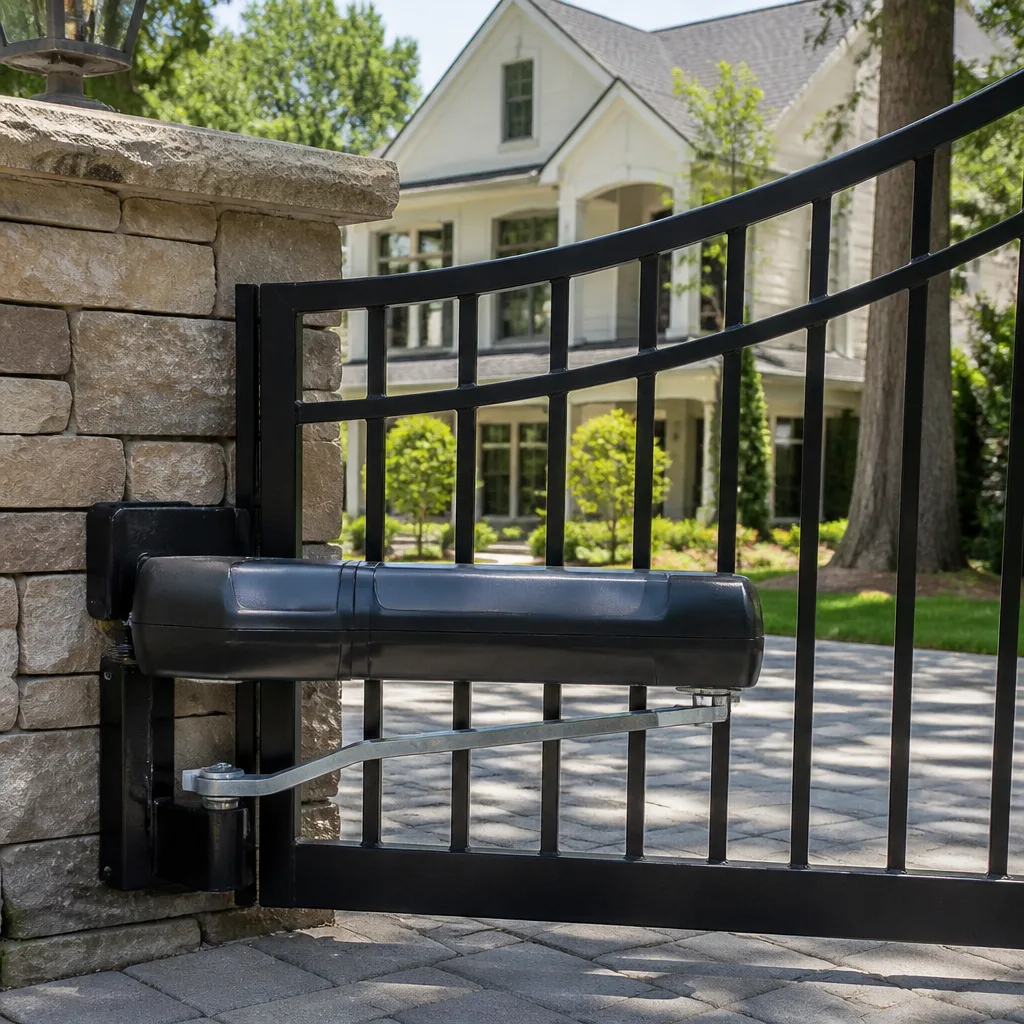 LiftMaster operators
Free on-site gate assessment - hinges, posts, and your LiftMaster or Nice gate operator checked before anything is quoted
The assessment is free and the quote is the invoice.
Get your free estimateGate Repair Maintenance Schedule: What to Do and When
Lubricating your gate in July is mostly wasted effort. The window that prevents most mechanical failures here is the two weeks before Albany’s first hard freeze, and nearly every homeowner misses it. Most online maintenance advice hands you a generic spring-and-fall checklist that has nothing to do with how the weather actually moves through the Capital Region. This guide fixes that. You’ll get a task calendar tied to real weather transitions, the specific lubricants that protect hinges, rollers and chain drives, a limit-switch test you can run yourself, a cold-weather battery protocol, and the inspection checklist that separates a real professional visit from a 15-minute sales call.
Quick Answer
A gate maintenance schedule for Albany should follow weather transitions, not calendar seasons: prep moving parts and hardware in the two weeks before the first hard freeze, inspect everything after the spring thaw, test the operator and safety devices monthly, and check the structure after any heavy storm. Lubrication, battery testing and limit-switch checks belong on a repeatable monthly routine, while deep inspections belong on the seasonal transitions that drive stress on the gate. The single highest-value task each year is pre-freeze preparation, done before the ground locks up and temperatures stay below freezing.
Styles & brands we work with
- Wrought iron
- Wood & steel frame
- Farm & ranch
- Sliding driveway gates
- LiftMaster operators
Table of Contents
- Why a Weather-Based Schedule Beats a Calendar Schedule in Albany
- The Albany Gate Maintenance Calendar, Month by Month
- Which Lubricants to Use on Hinges, Rollers and Chain Drives
- How to Test Limit Switch Drift Before It Causes a Failure
- Battery Backup Testing for Cold Albany Winters
- What a Real Professional Inspection Should Include
- Monthly Operator and Safety Device Checks
- Post-Storm and Post-Thaw Inspections
Why a Weather-Based Schedule Beats a Calendar Schedule in Albany
A calendar schedule assumes the seasons arrive on schedule. In Albany they don’t. The first hard freeze can land weeks apart from year to year, and the freeze-thaw cycle that follows spends the whole winter loosening bolts, stressing hinges and working grit into every moving joint. A gate that gets its pre-freeze service “in November” may get it three weeks too late. A gate serviced in the right two-week window before the ground freezes gets a full season of protection.
Here’s what actually happens to gate hardware in this climate. Metal contracts in the cold. Lubricant thickens and stops flowing into the joints where it’s needed. Wooden posts and gate frames take on moisture, swell, then shrink when it dries, which loosens fasteners and shifts clearances. Any water that gets into an operator housing and freezes can crack seals or stress the control board. Snow piled against a gate holds moisture against hinges and the bottom rail for weeks. And when the thaw comes, saturated ground lets posts shift, which throws a swing gate out of alignment and a slide gate off its track.
None of that stress peaks in spring cleaning season. It peaks at the transitions. That’s why our Gate Repair Albany team builds maintenance conversations around the first freeze, the thaw and the storms in between rather than around the labels on the calendar. If you own a swing gate or slide gate with an automatic operator, this schedule is what keeps it out of the repair queue.
The three stress events that matter most
- First hard freeze. The two weeks before it are your best chance to prevent winter failures.
- Spring thaw. Ground movement and moisture reveal what winter loosened.
- Heavy storm events. Wind, ice loading and falling limbs stress panels, hinges and operators.
The Albany Gate Maintenance Calendar, Month by Month
Treat these as triggers tied to the weather rather than fixed dates. When the forecast tells you a hard freeze is coming, run the pre-freeze list. When the ground is workable again in spring, run the thaw inspection.
- Late winter, before the first hard freeze. Pre-freeze service: clean and lubricate all moving parts with cold-rated lubricant, tighten hardware, test the operator and battery, clear the gate’s path of debris and check drainage so water doesn’t pool and freeze around the posts.
- Deep winter. Monthly checks only: listen to the operator for strain, look for ice buildup in tracks and rollers, clear snow away from the gate’s travel path and the bottom rail. Don’t force a frozen gate with the operator.
- Early spring, after the thaw. Post-thaw inspection: check posts for shifting, re-level a swing gate that’s dragging, clear grit and sand from slide gate tracks and rollers, inspect hinges for play and confirm the operator’s limits still match the gate’s travel.
- Late spring. Full hardware check: fasteners, welds, brackets, arm connections, chain tension. This is when winter’s damage shows up clearly.
- Summer. Monthly operator and safety device checks, plus light lubrication on hinges and chain drives. Watch for heat-related strain on the operator, especially on an older unit.
- After any heavy storm. Inspect panels for impact damage, check post alignment and hinges, and test the safety devices before returning the gate to normal use.
The point isn’t to do everything at once. It’s to do the heavy work exactly when the stress peaks. If you’re in Albany and you want this calendar matched to your specific gate and operator, that’s a conversation worth having. Call (866) 942-6084 for a free estimate, or read more about our gate repair work.
Which Lubricants to Use on Hinges, Rollers and Chain Drives
Lubricant choice matters more than most people think, and the wrong product can do real damage. The core rule: use a lubricant that stays fluid in the cold, and never use a wet, sticky product that attracts grit. What happens on a gate is different from a squeaky door. Grit that sticks to lubricant becomes an abrasive paste that wears hinges, rollers and chain faster than no lubricant at all.
What to use where
- Hinges and pivot points: a lithium or silicone-based grease, or a dry-film lubricant in dusty conditions. Use a small amount and work it into the joint.
- Rollers and slide gate tracks: light oil on the rollers themselves, and keep the track clean and dry. Grit in a track is the start of a slide gate derailing.
- Chain drives: chain-specific lubricant applied lightly to a clean chain. Wipe off excess. An over-lubricated chain collects grit and accelerates wear.
- Operator gears and worm drives: the manufacturer’s specified grease for that unit. Most brand operators, whether it’s a Ghost Controls residential arm or a commercial DoorKing unit, specify a particular grease, and substitutions can shorten gear life.
What to avoid
- WD-40 as a final lubricant. It’s a penetrating oil and moisture displacer, not a lasting lubricant. It evaporates fast and leaves little protection.
- Wet, sticky grease on exposed parts where grit and dust collect. It becomes an abrasive paste.
- Standard grease in cold weather that thickens below freezing and stops protecting the joint.
- Mixing lubricant types on the same joint. Some don’t play well together and break down faster.
Apply lubricant to a clean surface. Wiping a joint with a rag before lubricating removes the grit that causes most wear. If you own a swing gate with exposed hinges, that’s a ten-minute job that prevents expensive hinge and post repairs later.
How to Test Limit Switch Drift Before It Causes a Failure
Limit switches tell the operator when the gate has reached its open and closed positions. When they drift, the gate overshoots, slams, or stops short, and the operator keeps pushing against a hard stop or fails to register the position. That’s how a small drift turns into a stripped gear, a burned-out board or a gate that won’t operate at all. Test for drift before it becomes a failure, and you catch it early.
Here’s the manual check any homeowner can run. You’re not adjusting the switches unless you understand the system; you’re checking whether they’ve drifted so you can call for service before something breaks.
- Watch the gate travel. Open and close the gate manually if the operator allows, or at normal speed. Watch where it stops. A gate that used to stop flush with its post and now stops an inch short, or overshoots, has drift.
- Listen for strain. A gate that hits its limit and keeps the motor running briefly with a change in pitch is a sign the switch is engaging too late.
- Check for bounce on close. If the gate closes, bounces or reverses right at the end, the closed limit may be set too far or the safety sensor is interfering. Know which it is before adjusting anything.
- Check for a gap on open. A gate that doesn’t open fully leaves the limit engaged short. Test whether the operator strain-stops rather than reaching its limit.
- Look at the switches. With power off, look at the limit switch cams and the actuator. A loose cam or a worn actuator is a mechanical failure waiting to happen.
- Test the same way in cold weather. Cold changes clearances. A gate that tests fine in summer can drift in winter. Repeat the test after the first freeze.
If you see drift, don’t chase it with a screwdriver unless you know the operator. Limits on a heavy commercial unit or a safety-critical residential gate are best adjusted by someone who works on that brand. Our electric gate repair technicians do this for a living, and a quick adjustment prevents most of the failed-opening problems we see.
Battery Backup Testing for Cold Albany Winters
Battery backup is the part of gate maintenance people skip the most, and it matters most in a cold Albany winter. Cold temperatures make batteries lose a large share of their capacity, so a battery that holds a charge fine in July can fail to open the gate on the first subfreezing morning. Test it before the freeze, not after, and test it under load rather than simply checking that it’s present.
A battery testing protocol that accounts for the cold
- Cycle the gate normally. Let the operator run the gate open and closed a couple of times to confirm it works on line power.
- Depress the manual release and confirm the gate moves freely. If the gate itself is stiff, your battery test will be misleading. The operator has to work against resistance, not a stuck gate.
- Cut line power at the breaker or the operator’s power switch according to the manufacturer’s instructions, then send the operator one open and one close.
- Watch how it behaves. If the gate fails to complete a full cycle on battery, the battery is weak. If your operator has a battery-level indicator or a fault code for low battery, check it.
- Check the battery terminals and the charger. Corrosion on terminals causes faulty charging. On a unit that’s been in service a few winters, this is routine.
- Repeat the test once temperatures drop. A battery that passed in summer may need replacement before winter.
Most brand operators, from an Elite residential operator to a LiftMaster commercial unit, use a battery or backup system, and the test procedure is similar. If you’re not comfortable cutting power or the operator gives you no clear result, have it tested professionally. A battery tested before the first freeze is a gate that works on the coldest morning of the year. Ours is a brand-agnostic service and our technicians have up to 12 years of experience with these systems.
What a Real Professional Inspection Should Include
An inspection that takes 15 minutes and ends in a sales pitch isn’t an inspection. A real annual inspection is a systematic check of the whole gate system: the structure, the hardware, the operator, the safety devices and the site. When you book one, ask what’s on the checklist. When you compare providers in Albany, use the list below to tell a genuine inspection from a sales visit.
The professional inspection checklist
- Structure and posts: post footing and alignment, gate frame integrity, welds and joints, clearance at the bottom rail.
- Hinges, rollers and tracks: play, wear, grit, track condition on slide gates, and whether hinges need lubrication or replacement.
- Operator inspection: the control board, limit switches, motor strain, gear and worm condition, and any fault codes.
- Safety devices: photo-eye sensors, safety edge and loop detectors tested under load, not just confirmed to be present. A safety device that fails silently is a hazard.
- Access control: keypads, remotes, entry systems and intercoms tested start to finish.
- Battery and power: battery load test, charger output, wiring condition and the power run.
- Site: drainage, vegetation, and anything that will obstruct the gate in a storm or after the thaw.
- Written summary: what’s fine, what needs attention now, what to watch. Not an estimate only.
If a provider can’t show you a written summary and a reason for every repair they recommend, that’s the signal. We’ve seen operators misdiagnosed by general handymen who treat gate calls as side work, and the cost is a second visit and a repaired gate that still misbehaves. Gate work isn’t one of many trades for us. It’s the only one we do, across residential swing gates, slide gates and commercial access-control operators.
Monthly Operator and Safety Device Checks
The operator and its safety devices deserve a short monthly check, especially in a place with as much seasonal change as Albany. This isn’t a replacement for a professional inspection. It’s the routine that catches a problem between inspections so it doesn’t grow into one.
- Run the gate a full open-and-close cycle. Listen for a change in motor pitch, a groan or a pause.
- Test the photo-eye sensors. Break the beam while the gate is closing and confirm it reverses. Do the same with the safety edge if you have one.
- Test the manual release. Confirm the gate moves freely when the operator is disengaged, then re-engage.
- Check remote and keypad operation. Confirm all remotes and any access control devices open the gate reliably.
- Inspect the gate’s travel path. Clear debris, snow and ice. A gate forced through obstruction is how operators fail.
- Look at the control board and housing. Check for water intrusion, insect nests or visible damage.
Keep a short log of what you check and when. It’s the fastest way to spot a pattern. If the gate reverses on close one month and fine the next, that tells you something. Our technicians live in the control boards and safety devices and can diagnose a fault quickly.
Post-Storm and Post-Thaw Inspections
Albany gets its share of wind, ice and heavy snow, and the spring thaw brings its own stress. After any significant storm, do a walk-around before returning the gate to normal use. After the thaw, do the deeper check.
After a storm
- Inspect panels and the frame for impact damage from limbs and debris.
- Check posts for movement and hinges for play; wind loads stress the mounting points.
- Test the operator and safety devices before regular use, not after.
- Clear snow and ice from the track, rollers and travel path on slide gates, and from the bottom rail on swing gates.
After the thaw
- Check posts for shifting and a swing gate for sagging; frozen ground often lets a post settle or heave, and the gate goes out of alignment.
- Clear grit and sand from slide gate tracks and inspect rollers for wear.
- Re-test limit switches and the operator, since the winter may have moved the gate.
- Look for drainage problems; standing water around the posts is a maintenance issue in waiting.
If the gate is dragging, the track is off or the operator is behaving differently after the thaw, get it looked at. These are mechanical and structural problems that worsen with use, and the fix is simple if caught early.
Common Mistakes to Avoid
- Lubricating in summer and skipping the pre-freeze service. July lubrication is largely wasted; the window that prevents the most failures is the two weeks before the first hard freeze. Get the heavy work done then.
- Using WD-40 as a lasting lubricant. It displaces moisture but doesn’t protect a joint. Use a proper grease or dry-film lubricant for hinges and a chain-specific lubricant for chains.
- Over-greasing exposed moving parts. Wet, sticky grease collects grit that becomes an abrasive paste and wears parts faster. Apply lightly to a clean surface.
- Forcing a frozen gate with the operator. It’s the most common way to burn out a board or a gear. Clear the obstruction and disengage the operator instead.
- Skipping the battery load test. Cold saps battery capacity, so a battery tested without a load in summer tells you nothing about winter. Test it under load and test it again once temperatures drop.
- Treating a safety sensor as “present” instead of “working.” A photo-eye or safety edge that fails silently is a hazard. Test it every month.
- Skipping the post-thaw inspection. Frozen ground heaves posts, and the result is a dragging swing gate or a slide gate off its track. Catch it in spring, not after the next failure.
See the difference
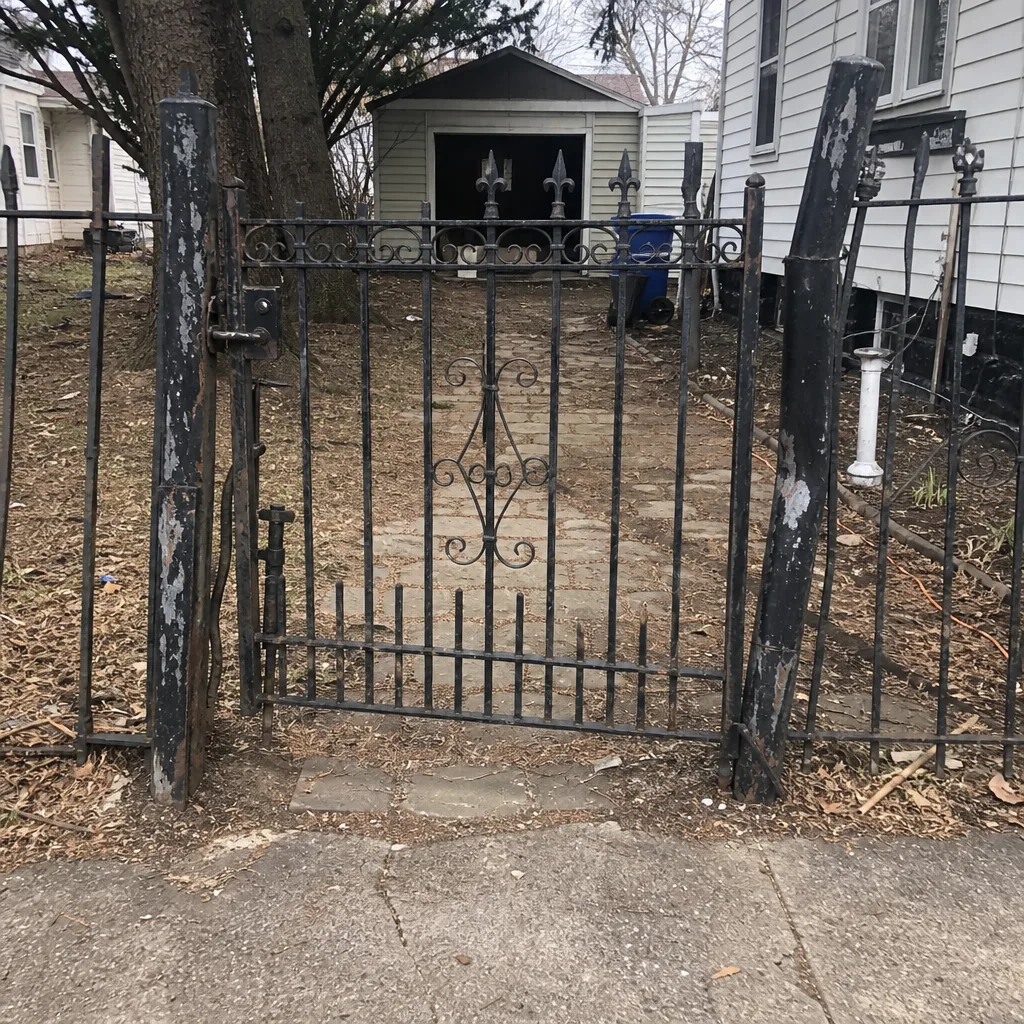 Before
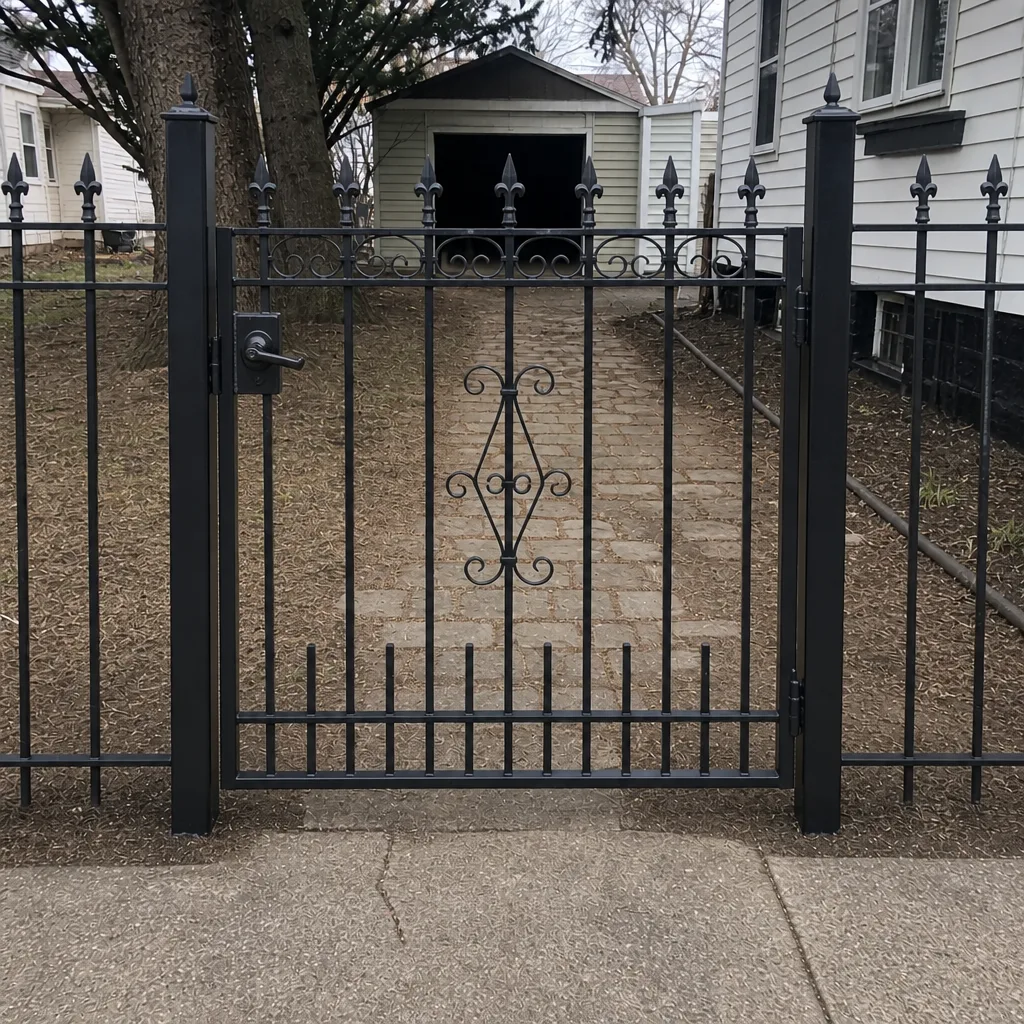 After
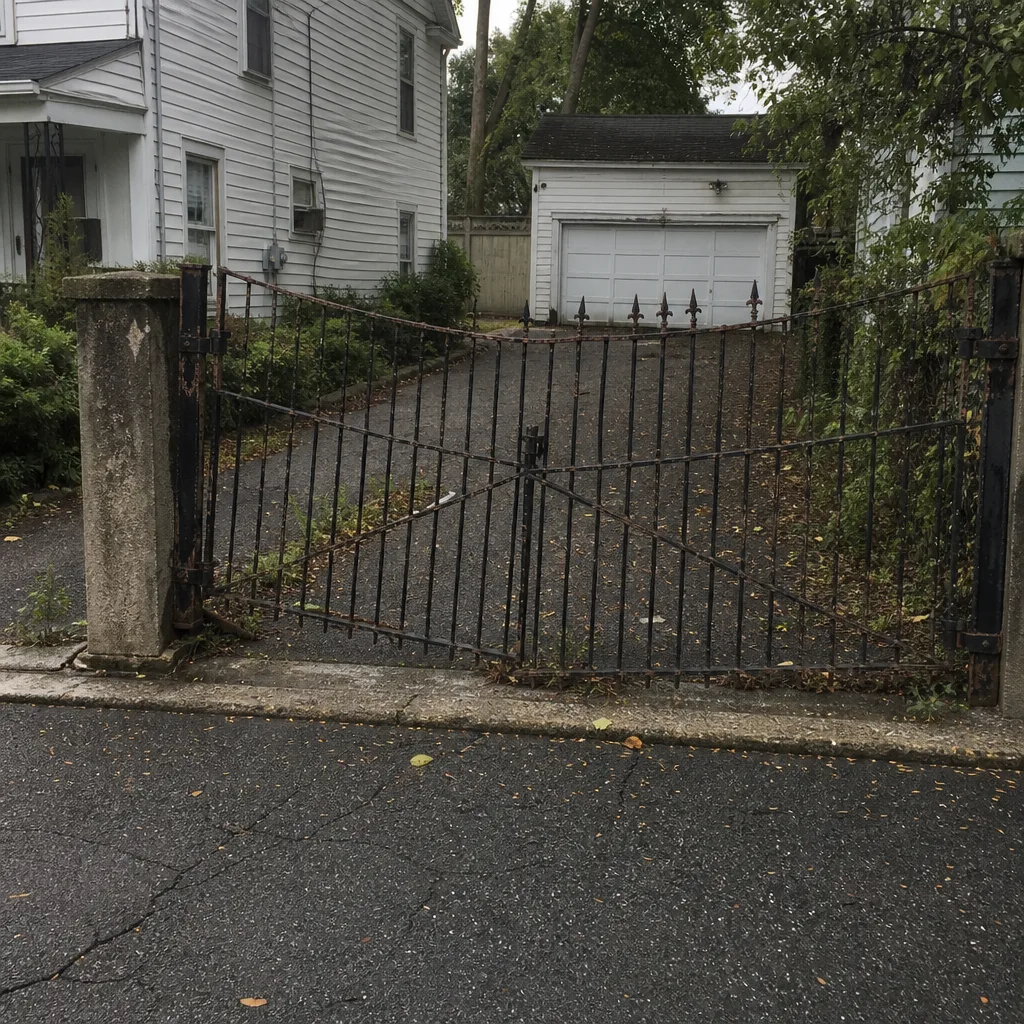 Before
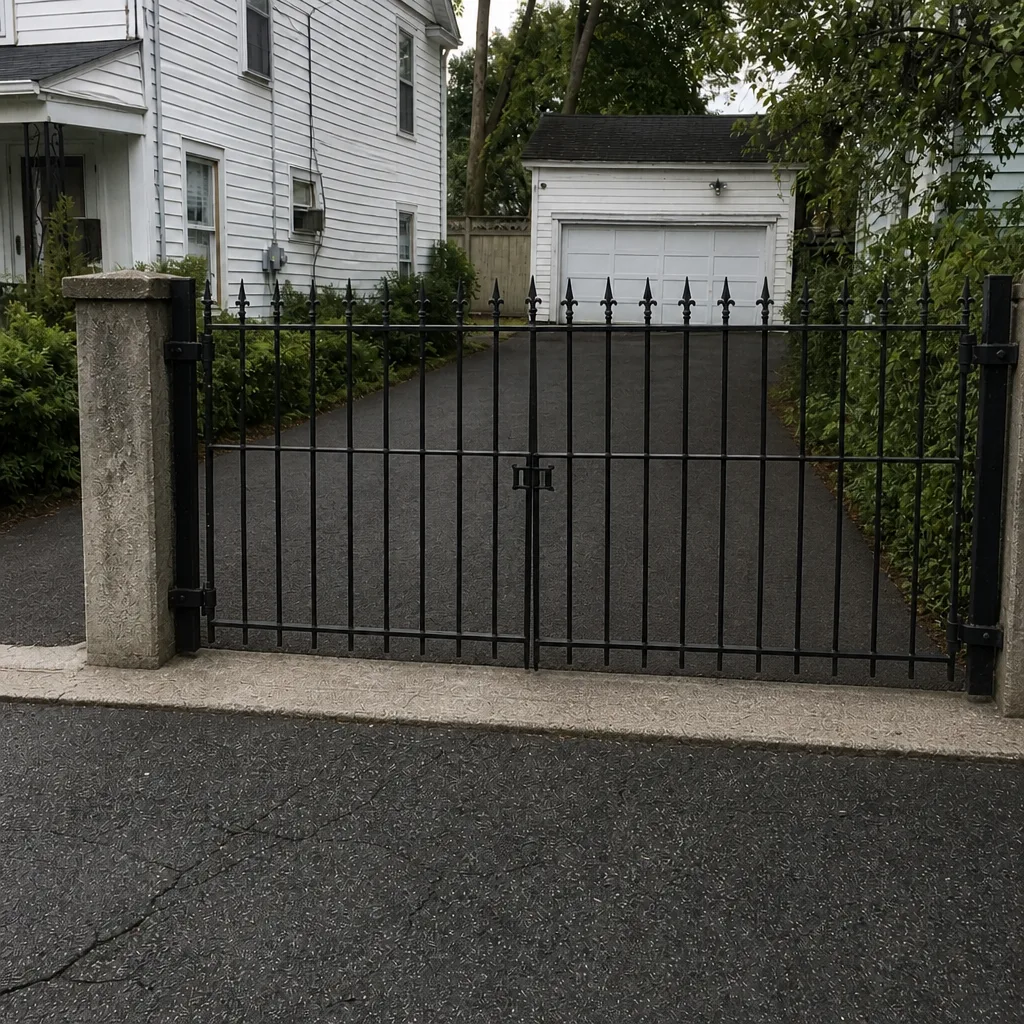 After
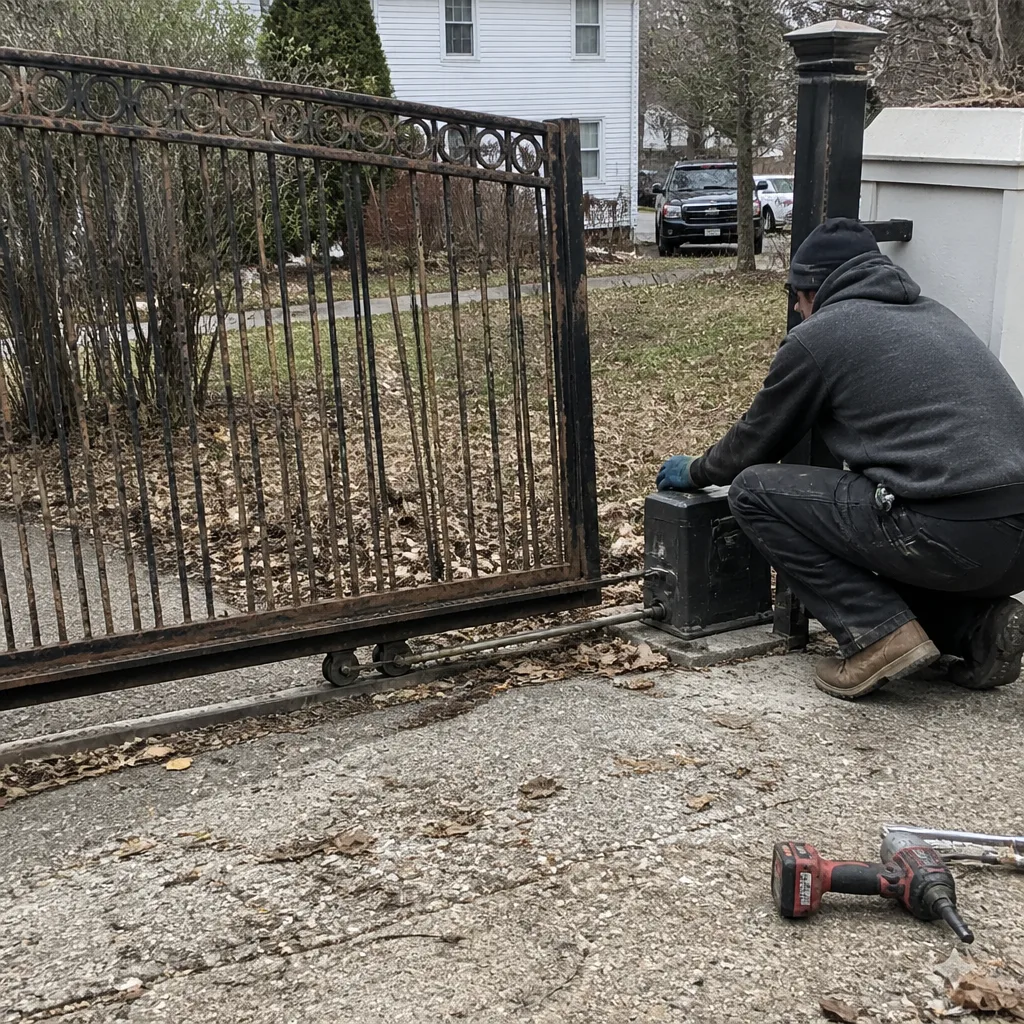 Before
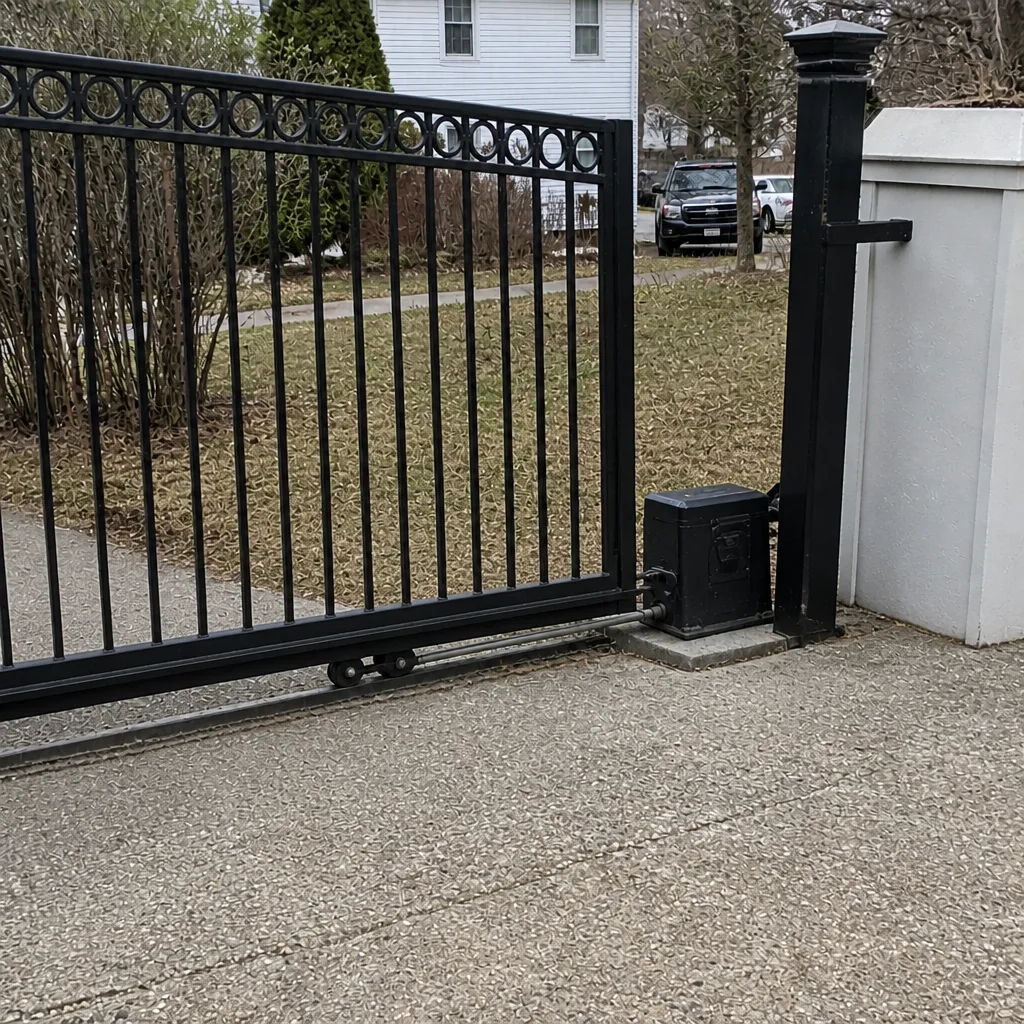 After
When to Call a Professional
Most maintenance is something you can do yourself. Some things you shouldn’t. Call a professional when the operator behaves differently after a full cycle, when the control board shows fault codes, when the gate is misaligned or dragging, when the slides or hinges have play you can’t tighten, or when a safety device fails its test. Call before the first hard freeze if you haven’t had a pre-freeze service, and call after the thaw if a post has shifted. Electric gate systems carry enough power and enough crushing force that a fault isn’t worth diagnosing by guesswork. Gate Repair Albany offers free estimates in Albany, we’re licensed and insured, and we’ll diagnose both the mechanical and the electronic fault in one visit. Call (866) 942-6084. We answer 24/7, fast dispatch from 7am to 7pm, Sunday through Friday.
Frequently Asked Questions
A residential gate should get a full professional inspection once a year plus a pre-freeze service before the first hard freeze, with monthly operator and safety device checks on your own. The pre-freeze service prevents the most winter failures, and the spring post-thaw inspection catches what winter loosened. For a commercial operator, inspections may be needed more often depending on cycles per day. Call (866) 942-6084 for a free estimate.
Pre-freeze lubrication and hardware service in the two weeks before the first hard freeze is the single most valuable task. Clean and lubricate every moving part with cold-rated lubricant, tighten fasteners, test the battery and safety devices, and clear the gate’s travel path. A gate serviced before the freeze handles the whole winter better. Call us for a free estimate and we’ll match the schedule to your gate.
WD-40 is fine as a moisture displacer or a quick cleaner, but it isn’t a lasting lubricant. Use a lithium or silicone grease or a dry-film lubricant for hinges, a light oil for rollers and a chain-specific lubricant for chains. Apply to a clean surface and wipe off excess. If you’re not sure which product matches your gate, call for a free estimate and we’ll tell you what to use.
Cold temperatures reduce a battery’s usable capacity, so a battery that passes a summer test can fail to hold voltage on a subfreezing morning. Test the battery under load before the first freeze and repeat the test once temperatures drop. If it falls short in cold weather, replace it before winter. For a load test or a replacement, call (866) 942-6084.
A genuine inspection includes a written summary of the whole system: structure, hardware, operator, safety devices and site, plus what’s fine and what needs attention. A short visit that ends in a repair quote with no explanation is a sales visit. Ask what’s on the checklist before you book. Call for a free estimate and we’ll walk you through our checklist.
No. Commercial operators like a DoorKing access-control unit or a Viking operator typically run far more cycles per day than a residential gate, so they need inspection more often. The pre-freeze and post-thaw triggers still apply, but the monthly checks turn into a real inspection schedule based on use. For commercial maintenance in Albany, call (866) 942-6084 for a free estimate.
The Bottom Line
The right maintenance schedule for a gate in Albany follows the weather, not the calendar. Get the heavy service done in the two weeks before the first hard freeze, run the post-thaw inspection after the ground thaws, and keep monthly operator, safety device and battery checks on your own. Use cold-rated lubricant, never WD-40 as a lasting product, and test the battery under load before winter. If the operator, the safety devices or the gate’s alignment gives you trouble, that’s a professional call. Our technicians have up to 12 years of experience, and we handle both the mechanical and electronic layers of any gate system.
Gate Repair Albany is a gate-only specialist, and whether your operator is a Ghost Controls, an Elite, a DoorKing or another brand, we’ve worked on it. Call (866) 942-6084 for a free estimate. We answer 24/7, fast dispatch from 7am to 7pm, Sunday through Friday.
Written by the team at Gate Repair Albany.