
Last updated November 15, 2026
 Wrought iron
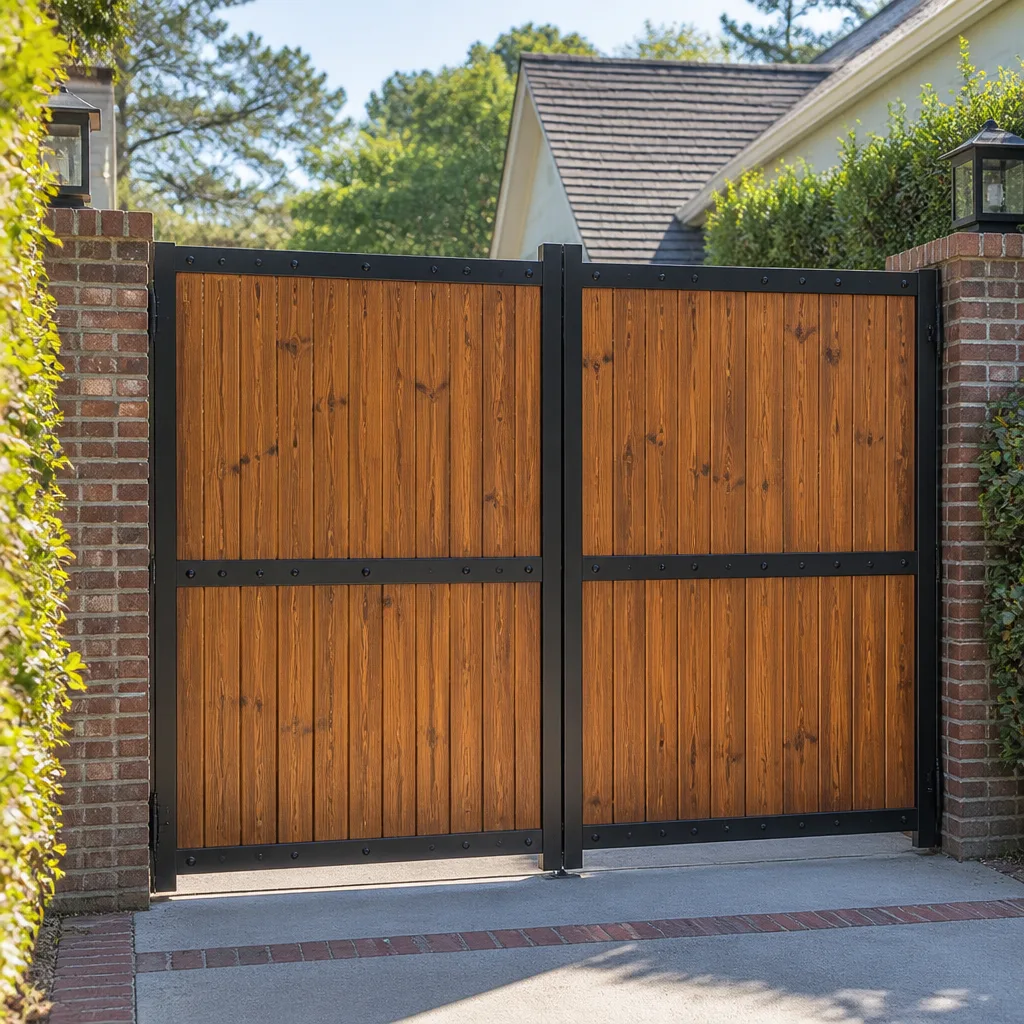 Wood & steel frame
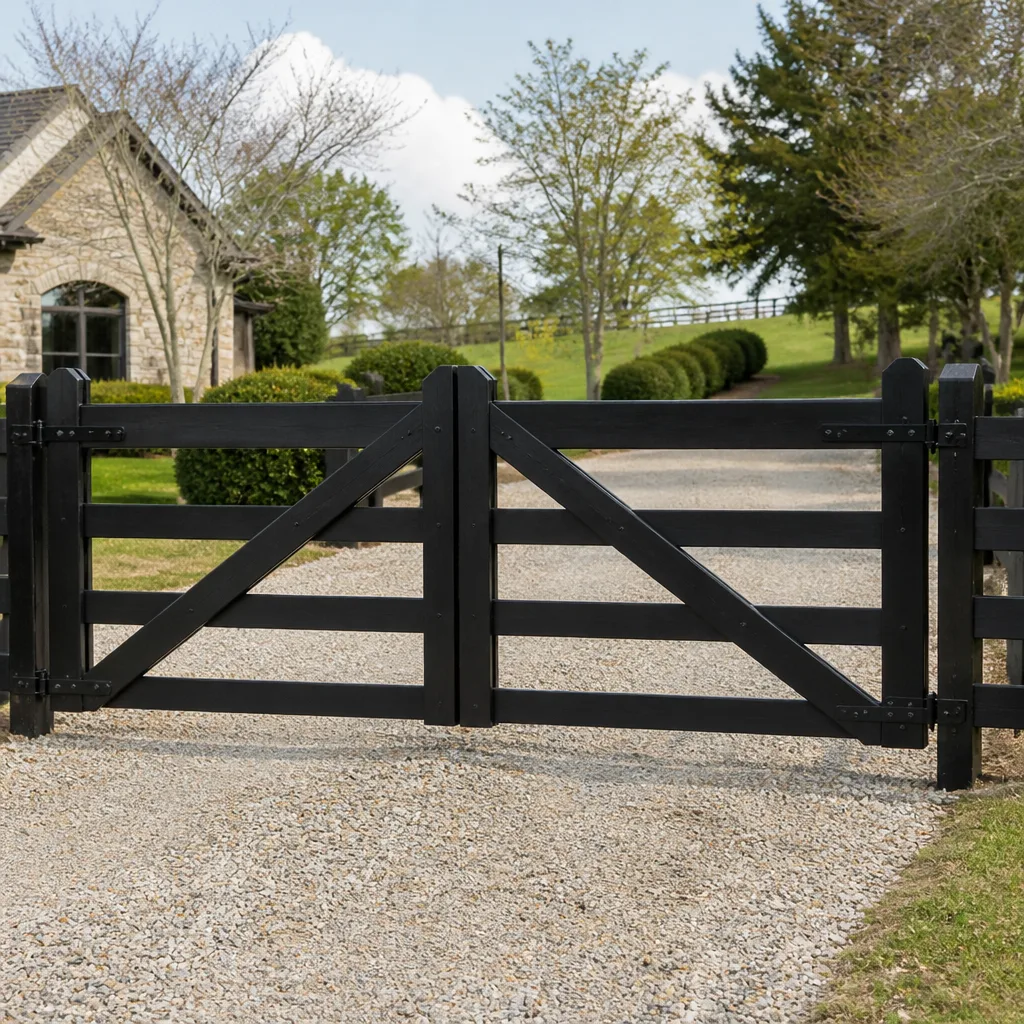 Farm & ranch
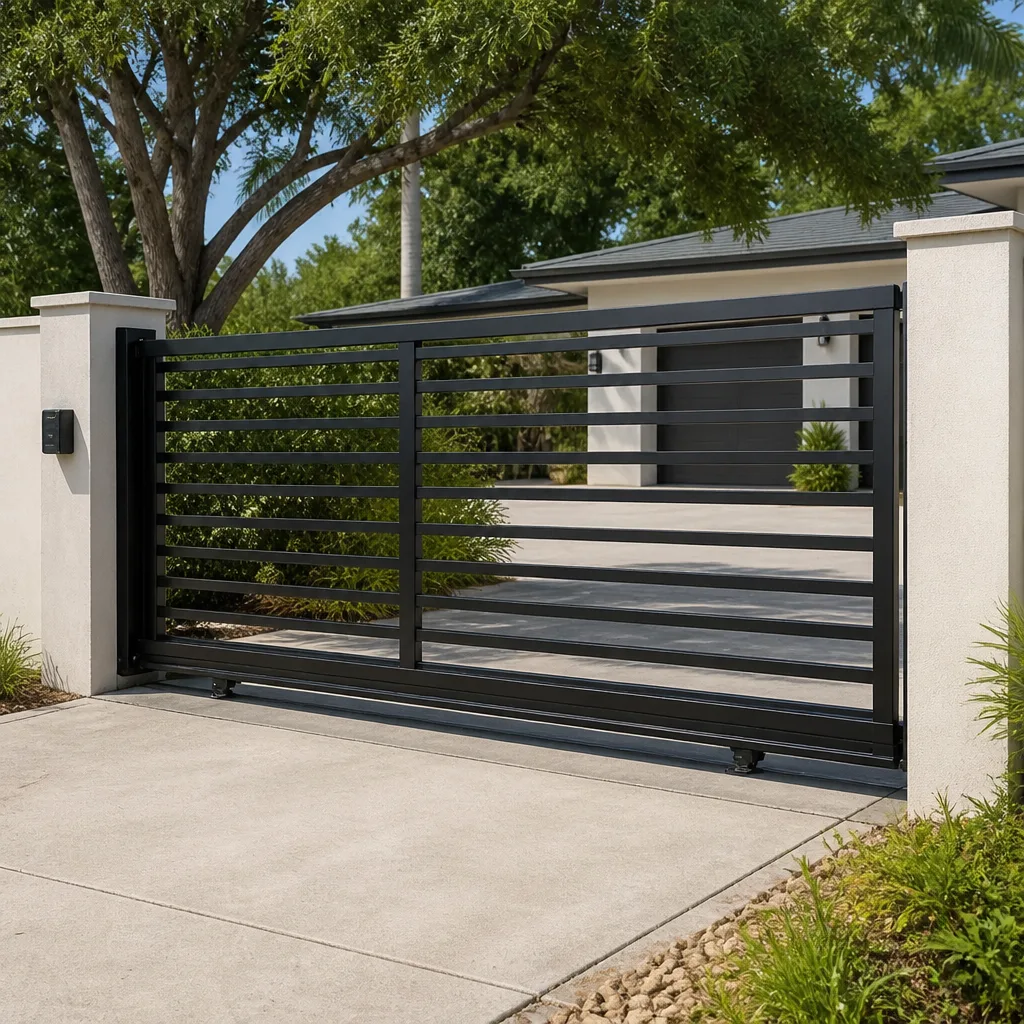 Sliding driveway gates
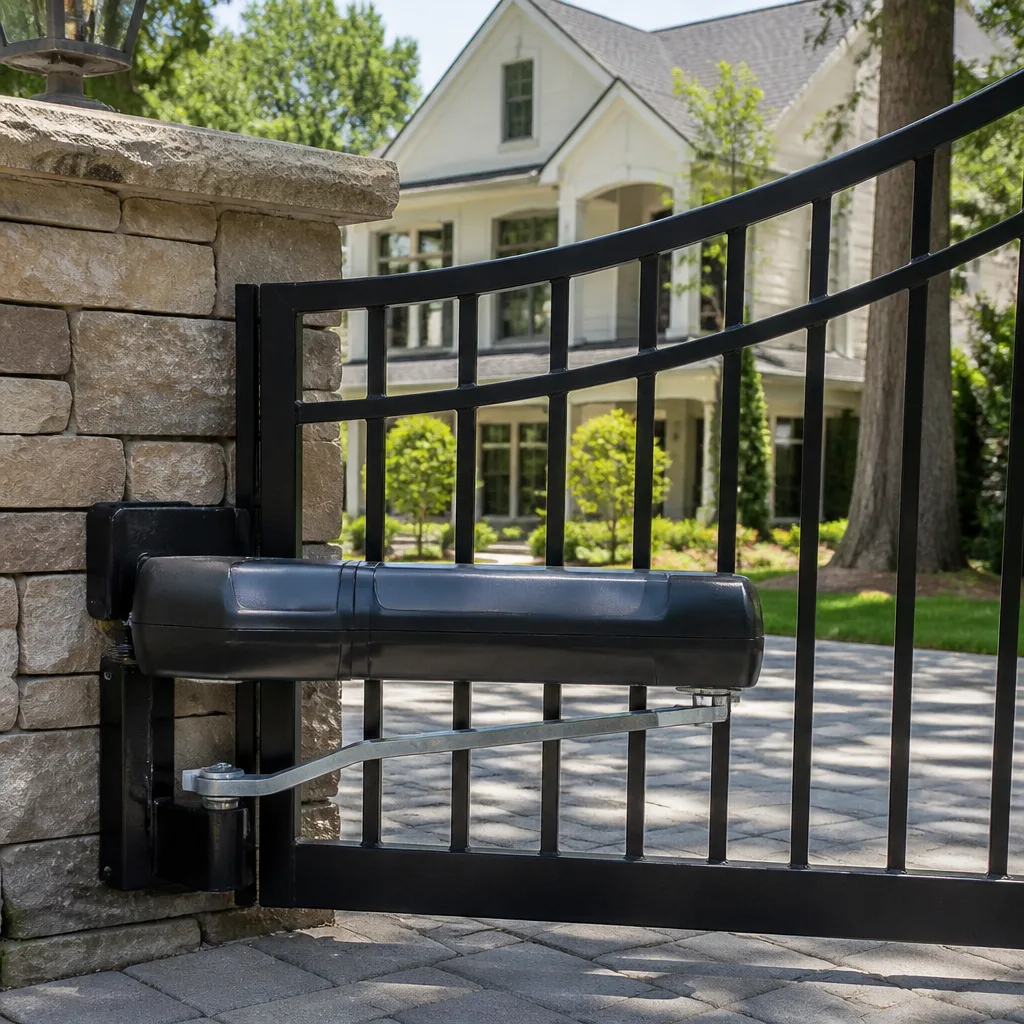 LiftMaster operators
Free on-site gate assessment - hinges, posts, and your LiftMaster or Nice gate operator checked before anything is quoted
The assessment is free and the quote is the invoice.
Get your free estimateGate Repair Maintenance Checklist for Albany Homeowners
The hinge that fails in February was almost certainly stressed in November. That’s the part most Albany homeowners miss: gate failures almost never begin on the day the gate stops working. They begin months earlier, in a small maintenance step that got skipped when the weather turned. This guide isn’t a generic quarterly reminder list. It’s a checklist sequenced around Albany’s real weather calendar – the freeze-thaw cycles, the road salt, the wet springs – and around what actually breaks first on a gate. You’ll learn which lubrication points need attention every 90 days, which are annual, how to test safety equipment in ten minutes without tools, and how to log each inspection so any technician can pick up where you left off.
Quick Answer
A gate maintenance checklist for Albany, NY should follow the local weather: deep lubrication and hardware inspection in late October before the first hard freeze, monthly safety testing year-round, and a full mechanical and electrical review in April after the thaw. The single most important step most homeowners skip is lubricating hinges, rollers, and the operator’s drive chain in November, because freeze-thaw cycling and road salt do their worst damage between December and March.
Styles & brands we work with
- Wrought iron
- Wood & steel frame
- Farm & ranch
- Sliding driveway gates
- LiftMaster operators
Table of Contents
- Why Albany’s Climate Sets the Maintenance Calendar
- The Albany Gate Maintenance Calendar
- Lubrication: What Needs Attention Every 90 Days vs. Every Year
- The 10-Minute Monthly Safety Walk-Through (No Tools)
- Five Visual Inspection Points That Predict Most Mechanical Failures
- Testing Your Operator: Limit Switches, Loops, and Photo Eyes
- What to Log After Every Inspection
- Common Mistakes to Avoid
Why Albany’s Climate Sets the Maintenance Calendar
Albany sits in a climate where the ground freezes and thaws repeatedly through winter, and where road crews spread salt liberally on drives and street approaches. That combination hits gate hardware harder than a single cold snap ever could. Every freeze-thaw cycle moves metal slightly. Water gets into a hinge pin, freezes, expands, and works its way deeper. Salt spray from plowed and salted driveways settles on hinges, latches, and the operator housing, and stays there until spring rain washes it off.
That’s why a calendar built for a mild climate doesn’t work here. A gate in Albany lives through a stress cycle that runs roughly from November through March, with the worst mechanical damage done in the transition months. The maintenance you do in October and November is what protects the gate through that window. The maintenance you do in April is what repairs the wear and catches anything the winter exposed.
Albany’s housing stock matters too. Many homes here have older gates with original hardware, some paired with operators from LiftMaster or Linear that have been in service for years. Older hardware tolerates neglect less gracefully. A hinge that’s a little stiff in a mild climate becomes a hinge that seizes and snaps after a hard Albany winter. We’ve seen this pattern repeatedly: the failure shows up in February, but the cause traces back to a skipped step in November.
If you already suspect winter damage, our gate repair service covers both the mechanical and electrical sides in a single visit, which matters when the underlying cause could be either one.
The Albany Gate Maintenance Calendar
Here’s the sequence, tied to the actual weather rather than arbitrary quarters. Each task builds on the one before it, so the order matters.
- Late October – Pre-Freeze Deep Prep. Lubricate every hinge, roller, and pivot. Inspect and tighten all mounting hardware. Clear debris from the gate’s travel path. This is the single most important maintenance window of the year in Albany.
- November – Operator Check. Test the operator’s force settings, limit switches, and safety reversing. Cold weather stiffens mechanical components, so an operator that was borderline in September may fail in January. Catch it now.
- December through March – Monthly Visual and Safety Checks. No heavy lubrication needed (cold makes grease stiffen). Focus on the 10-minute safety walk-through and watching for ice buildup in tracks and pivots.
- April – Post-Thaw Full Review. Inspect for winter damage: cracked hinges, bent arms, corroded fasteners, water intrusion in the operator housing. Re-lubricate everything. This is when the winter’s toll becomes visible.
- July – Mid-Season Lubrication. The 90-day lubrication cycle means a mid-summer pass. Check chain tension and roller wear.
- September – Pre-Winter Prep Begins. Start the annual hardware inspection. Order any parts you’ll need before the October deep prep, because waiting until the first cold snap leaves you doing it in bad weather.
This isn’t a rigid schedule – a gate that gets heavy daily use may need more frequent checks, and a lightly used gate less. But the anchors (October prep, April review) shouldn’t move. They’re tied to Albany’s freeze and thaw, not to a calendar reminder someone set arbitrarily.
One note on road salt: if your driveway gets salted, the hardware on the gate side nearest the street takes the brunt. Pay extra attention to that side’s hinges and fasteners in the April review. This is exactly the kind of localized pattern a general handyman misses but a gate-only specialist learns to look for.
Lubrication: What Needs Attention Every 90 Days vs. Every Year
Not every lubrication point is equal. Some need attention every three months; others are fine on an annual schedule. Getting this wrong is one of the most common maintenance mistakes we see. Over-lubricating certain components attracts grit and causes more wear than under-lubricating, while under-lubricating others is what causes the February failures.
Every 90 Days (Quarterly)
- Hinge pins and pivots – use a lithium-based grease or a silicone lubricant. These are the highest-wear points on any swing gate. A stiff hinge transfers stress to the gate frame and the operator arm.
- Rollers and tracks on slide gates – a silicone or dry-film lubricant works better here than heavy grease, which collects grit. Clean the track first, then lubricate.
- Latch and strike mechanisms – a light application of grease keeps the latch operating smoothly and prevents the sticking that leads to forced operation and bent components.
Every 12 Months (Annual)
- Operator drive chain – apply a chain-specific lubricant, not general-purpose grease. Chain lube is designed to penetrate the links. This is a once-a-year task on most residential operators.
- Operator gearbox – check the manufacturer’s recommendation. Most sealed gearboxes don’t need routine lubrication, but older units may have serviceable gearboxes that do. This is worth having a technician confirm.
- Gate frame and post hardware – inspect and apply a protective coating where corrosion is starting. Albany’s salt exposure makes this more important than in dry climates.
The distinction matters because the 90-day points are where the real stress accumulates. A hinge that goes ungreased for a year in Albany will seize, and a seized hinge can snap. That’s the February failure. The annual points are lower-stress but still worth calendaring so they don’t get forgotten entirely.
When in doubt about a specific product – some operators specify particular lubricant types, and using the wrong one can void the operator’s reliability – ask before you apply. Our team works across LiftMaster, FAAC, BFT, and Linear operators regularly and knows which components are picky and which aren’t.
The 10-Minute Monthly Safety Walk-Through (No Tools)
This is the part you can do yourself, every month, without any tools. It’s about observation and testing, not repair. If something fails a test here, that’s a job for a technician, but the walk-through is what catches the problem before it becomes a failure.
- Visual sweep of the travel path. Walk the full arc or length of the gate. Look for debris, toys, cracked concrete, or anything that could obstruct the gate. Pay attention to ice and snow buildup in winter – the operator isn’t designed to push through it, and trying to force it can damage the drive.
- Test the obstruction reversal. Place a piece of wood or a firm object in the gate’s path and operate the gate toward it. The gate should reverse on contact. If it doesn’t reverse, stop using the operator until it’s checked.
- Test the photo eyes or safety sensors. Block the beam or sensor with your hand or a piece of cardboard while the gate is closing. It should stop and reverse. If it doesn’t, that’s a fault that needs attention.
- Test the safety edge or loop (if equipped). Depending on your gate, there may be a safety edge or a loop detector. Test it the same way – it should stop the gate.
- Manual release check. Confirm the manual release still works. On most residential operators it’s a key or a lever that disengages the operator so you can move the gate by hand. Test that it disengages and re-engages cleanly.
- Listen. Open and close the gate and just listen. Grinding, squealing, or a change in the operator’s sound is an early warning. You don’t need to know what’s wrong – you just need to log that something changed.
This whole sequence takes about ten minutes. It won’t catch everything, but it catches the safety faults and the mechanical changes that predict bigger failures. And it’s free – you’re just paying attention.
One safety caveat: never attempt to diagnose or repair the operator’s internal electronics, wiring, or control board yourself. Those components carry line voltage and can deliver a serious shock. The walk-through is about observation and testing at the controls, not opening the housing. If a photo eye or safety edge fails its test, stop and call. That’s not a DIY repair, and it’s not worth the risk.
Five Visual Inspection Points That Predict Most Mechanical Failures
In our experience diagnosing gate failures across Albany, the mechanical problem is almost always visible before it fails – you just have to know where to look. These five points predict the majority of mechanical failures, and all of them can be checked with your eyes and hands. You’re looking for cracks, fatigue, corrosion, and wear. This section is about recognizing what you see, not repairing it, because repairing these components safely requires the right tools and training.
1. Hinge Cracks and Pin Wear
Look at each hinge where it attaches to the gate and the post. Look for hairline cracks in the weld or the metal plate, and check the hinge pin for play. A hinge with visible play or a crack is a hinge that will fail. Albany’s freeze-thaw cycles stress these points more than a milder climate would. If you see a crack, don’t force the gate – have it inspected.
2. Gate Frame Sag and Racking
Stand at the end of the gate and sight down the frame. It should be straight. If it’s racked out of square or sagging, the gate is overloading the hinges and the operator, and both will fail prematurely. This is common on older wooden or heavy metal gates that have absorbed years of weather. Correcting it usually means adjusting the hinges or the operator, which is a technician’s job.
3. Operator Arm and Linkage Wear
Look at the operator arm and where it connects to the gate. Check for bends, worn bushings, and loose connections. A slightly bent arm that’s been bent back into place is weaker than it was, and it’s prone to failing again. This is one of the most common failure points on swing-gate operators.
4. Corrosion on Fasteners and Mounting Hardware
Look at the bolts, plates, and brackets that attach the operator and the gate to the posts. Rust and corrosion weaken these connections over time, and Albany’s road salt accelerates it. Surface rust is common; deep corrosion that’s eaten into the fastener or the plate is a problem.
5. Drive Chain or Belt Condition (Slide Gates)
On a chain-driven slide gate, check the chain for slack, kinked links, and rust. On a belt-driven system, check for fraying or wear. A loose chain can jump the sprocket; a worn belt can slip. Both are visible before they fail.
If you’ve spotted any of these, we offer free estimates and can often tell you what’s likely wrong from a description and a few photos before anyone even comes out. That’s the benefit of a gate-only trade – the diagnostic experience is specific, not general.
Testing Your Operator: Limit Switches, Loops, and Photo Eyes
The electrical side of your gate is where a general handyman most often misdiagnoses problems. Here’s what to test and what it should do – not how to repair it. Repairing operator electronics involves line voltage and control board components, and those are genuinely dangerous. This section is about testing, then stopping and calling when something fails.
- Limit switches. Open and close the gate and watch where it stops. The gate should stop fully open and fully closed, without straining against the end stops. If it stops short or reverses before it should, the limit switches need adjustment or replacement. A common cause in Albany is that cold weather stiffens the mechanical components and changes where the gate naturally comes to rest, triggering the limits earlier than normal.
- Photo eyes and safety sensors. As in the monthly walk-through, block the beam while the gate is closing. It should stop and reverse immediately. If it doesn’t, or if the operator’s indicator light shows a fault, the sensor needs attention. Snow and ice buildup on the sensor faces is a frequent winter cause of this fault, and clearing the faces is sometimes all it takes.
- Loop detectors. If your gate has an exit or entry loop, drive or walk over it while the gate is operating. The gate should react – open, hold, or reverse depending on the loop’s function. If it doesn’t react at all, the loop detector or the loop itself has a fault. Loop installations vary, so ask a technician to test it if you’re unsure how it’s meant to behave.
- Control board faults. Most modern operators have fault indicator lights on the control board. If the board shows a fault, that’s your answer – but diagnosing which fault on which board, and whether it’s the board, the sensor, or the wiring, is where the trade-specific knowledge matters. That’s the level where we come in.
The reason we can diagnose electrical gate problems in a single visit rather than sending you to a second contractor is that both the mechanics and the electronics are part of the same trade for us. Our electric gate repair service is a core competency, not an add-on. You can also read more about how we handle the full range of gate brands on our Gate Repair Albany home page.
What to Log After Every Inspection
The most underrated part of gate maintenance is documentation. After every inspection, log five things. This is what lets a technician pick up a trend without starting from scratch, and it’s what turns a series of individual checks into a maintenance record that actually predicts failures.
- Date and the weather in the days before. Note whether there was a hard freeze, a thaw, or heavy rain. This is the context that explains why something changed.
- What you checked and the result. Every point from the monthly walk-through, plus any visual inspection notes. Record the result as pass, fail, or “changed” – a change in sound or feel is worth logging even if nothing failed outright.
- Any lubrication applied. Note what you lubricated and which product you used. This tells a technician what’s been done and when, and it prevents over-lubrication.
- Any component that felt different. A hinge that’s slightly stiffer, an arm with a little more play, a chain that’s a little looser than last month. These changes are the early warning signs.
- What you chose not to handle. If a photo eye failed its test and you didn’t call anyone yet, log it. This is the most common source of the February failures – a known fault that wasn’t addressed.
A simple notebook or a note on your phone is enough. The point isn’t formality; it’s having a record that any technician can read and understand in two minutes. When we come out to a gate repair in Albany, the homeowner’s log often saves us a diagnostic step and gets to the right repair faster.
If your log shows a trend – say, the same hinge stiffening every month – that’s a signal to have it looked at rather than just re-lubricating it. Some patterns point to an underlying misalignment that lubrication won’t fix.
Common Mistakes to Avoid
- Doing the deep prep too late. Lubricating after the first hard freeze in Albany means you’re greasing a cold gate in bad weather, and the grease may not set properly. Do the deep prep in late October, before the freeze.
- Using the wrong lubricant. Heavy grease on a slide-gate track collects grit and accelerates wear; general-purpose grease on a drive chain doesn’t penetrate the links. Match the product to the component.
- Skipping the monthly safety tests. The safety reversing and photo eye tests are the one part of maintenance that’s about safety, not just function. Skipping them means you find out a safety device failed when it fails to protect someone.
- Forcing a stiff or jammed gate. If your gate is stiff, jammed, or scraping, forcing it stresses the hinges, the operator, and the structure. in our experience, the component that breaks is often the one that was fine before it got forced. Stop and have it looked at.
- Attempting electrical repairs yourself. Operator control boards, wiring, and the power run carry line voltage. This isn’t a “watch a video and try it” repair. The safety risk is real.
- Not logging anything. Without a log, every inspection starts from zero, and developing trends go unnoticed until they become failures.
- Assuming all gate work is the same. A general handyman who treats gate work as a side job is more likely to misdiagnose an operator fault or replace a component that didn’t need it. A gate-only specialist diagnoses both the mechanical and electronic sides in one visit.
If you’re in a nearby community rather than Albany itself, the climate logic is similar, and we’ve put together city-specific guidance for the Albany area and surrounding towns that covers the local variations worth knowing.
See the difference
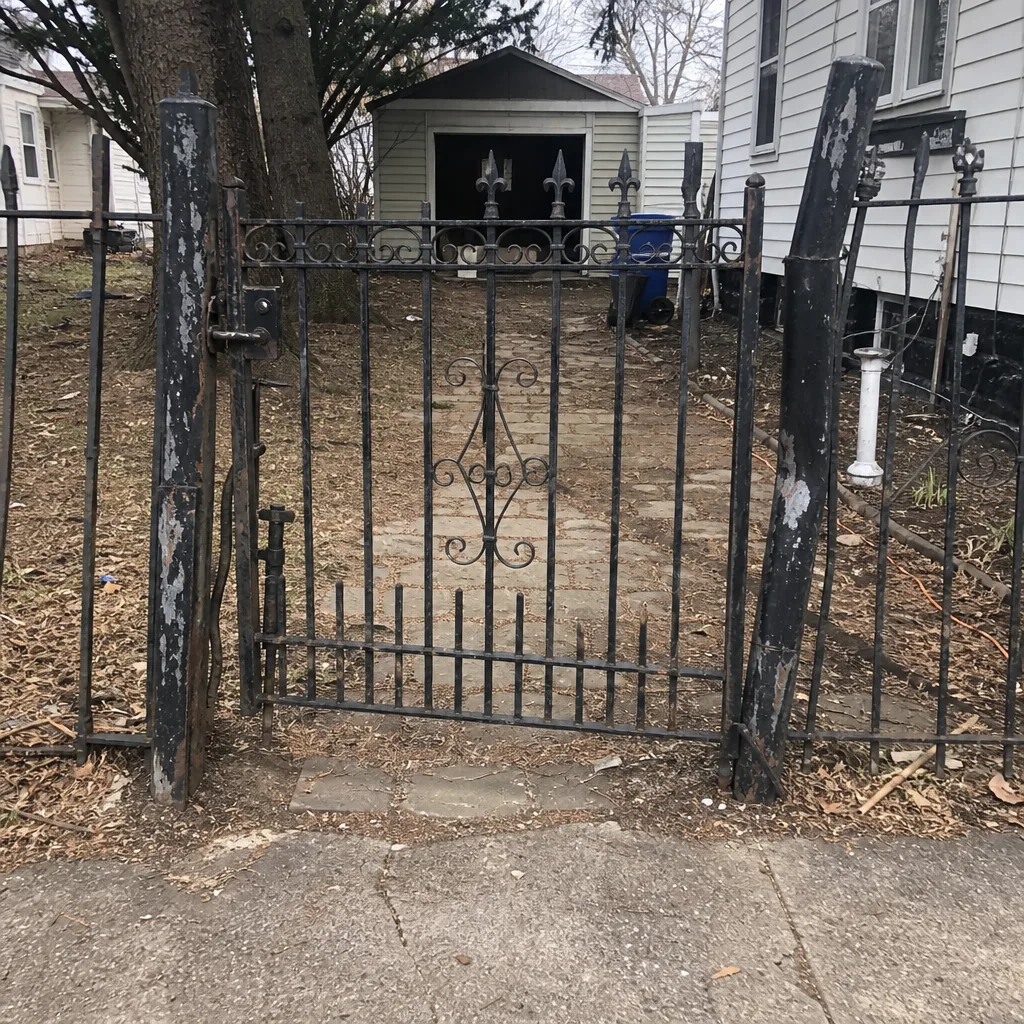 Before
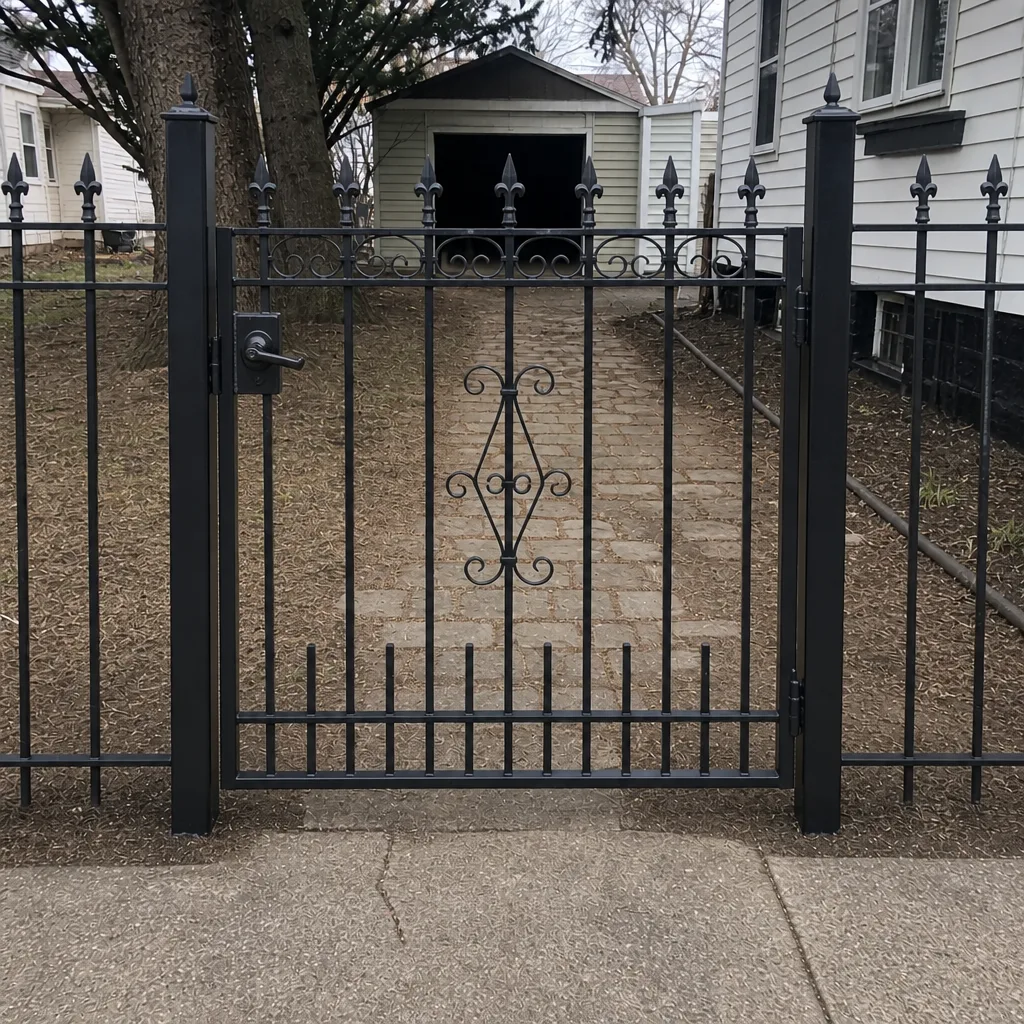 After
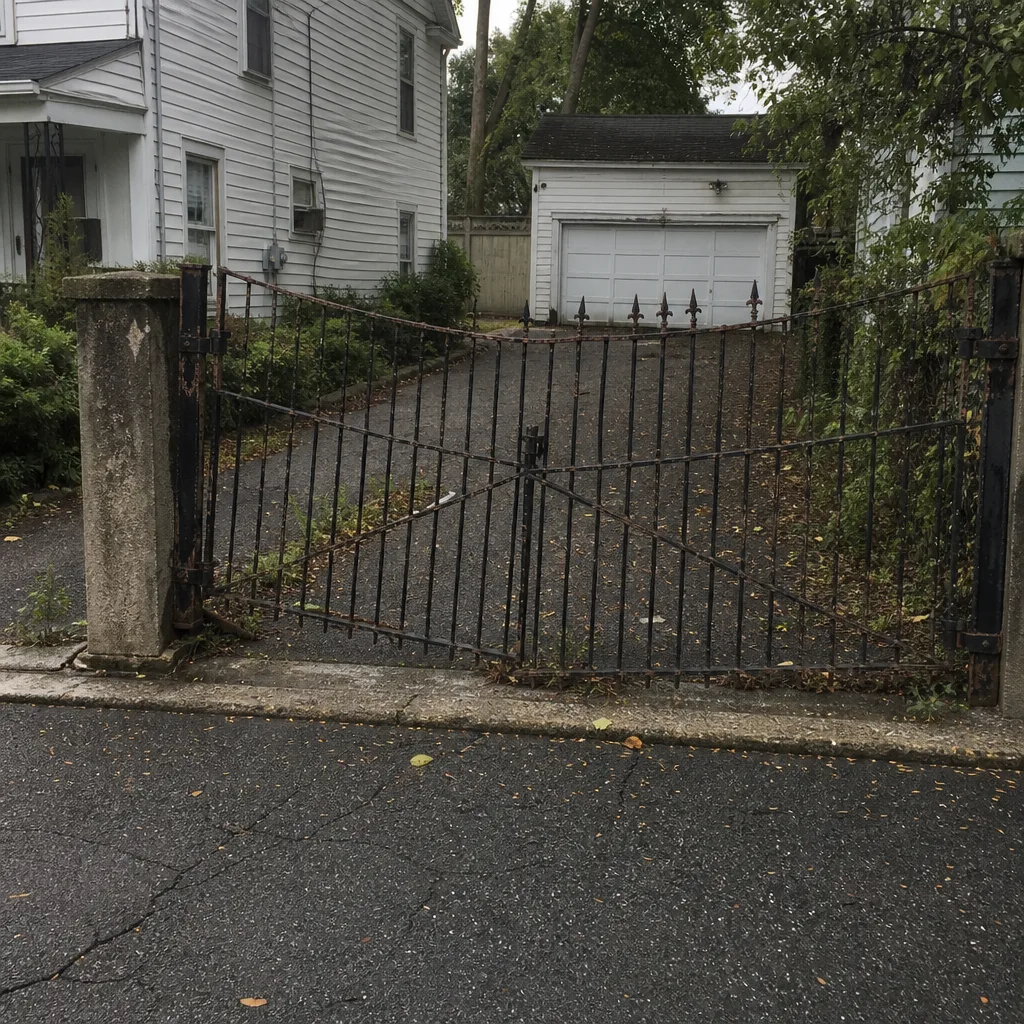 Before
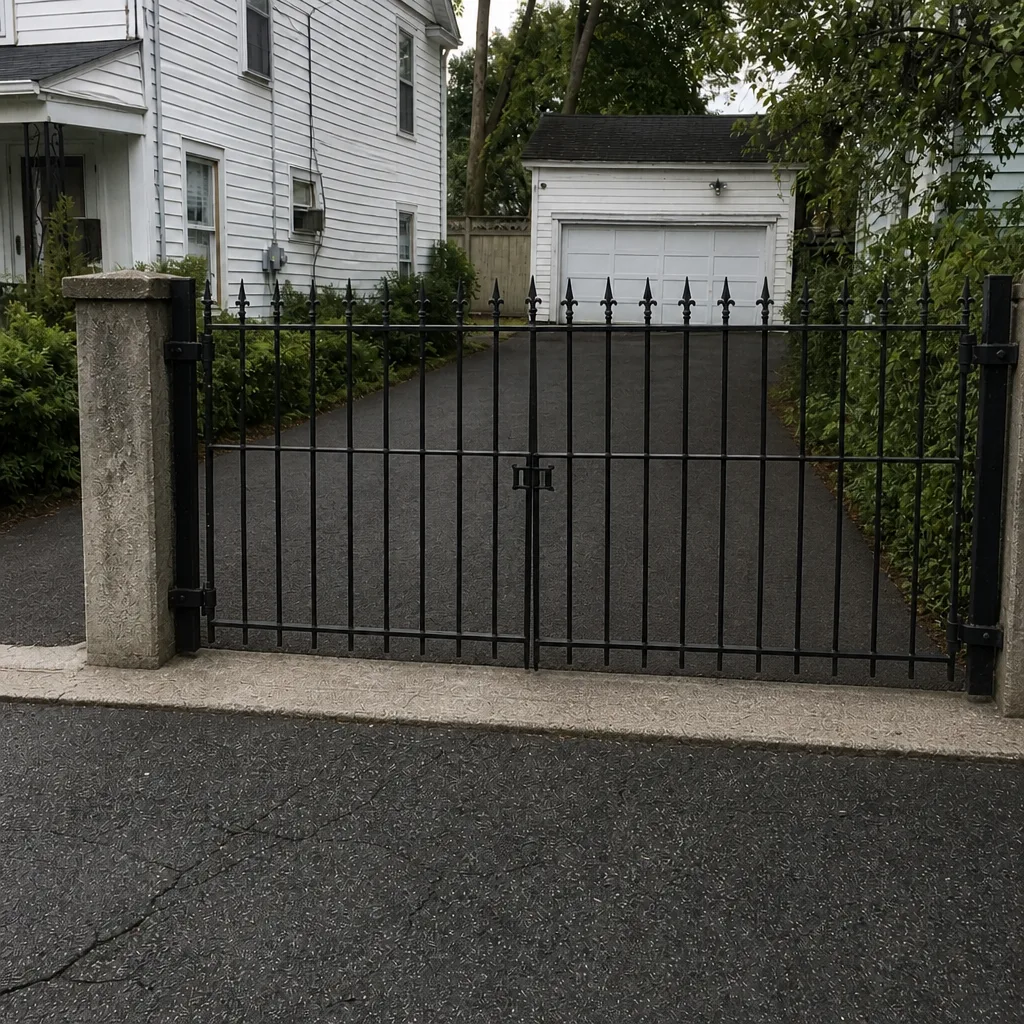 After
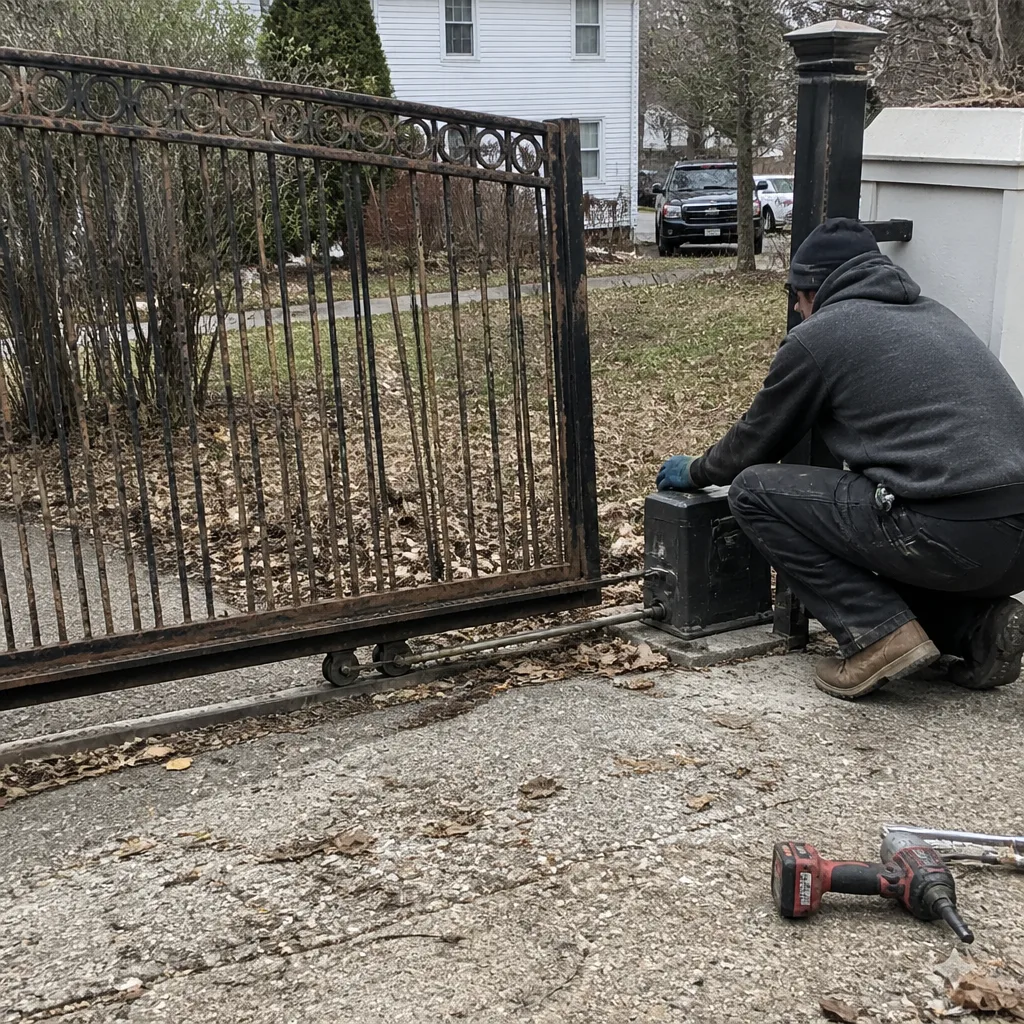 Before
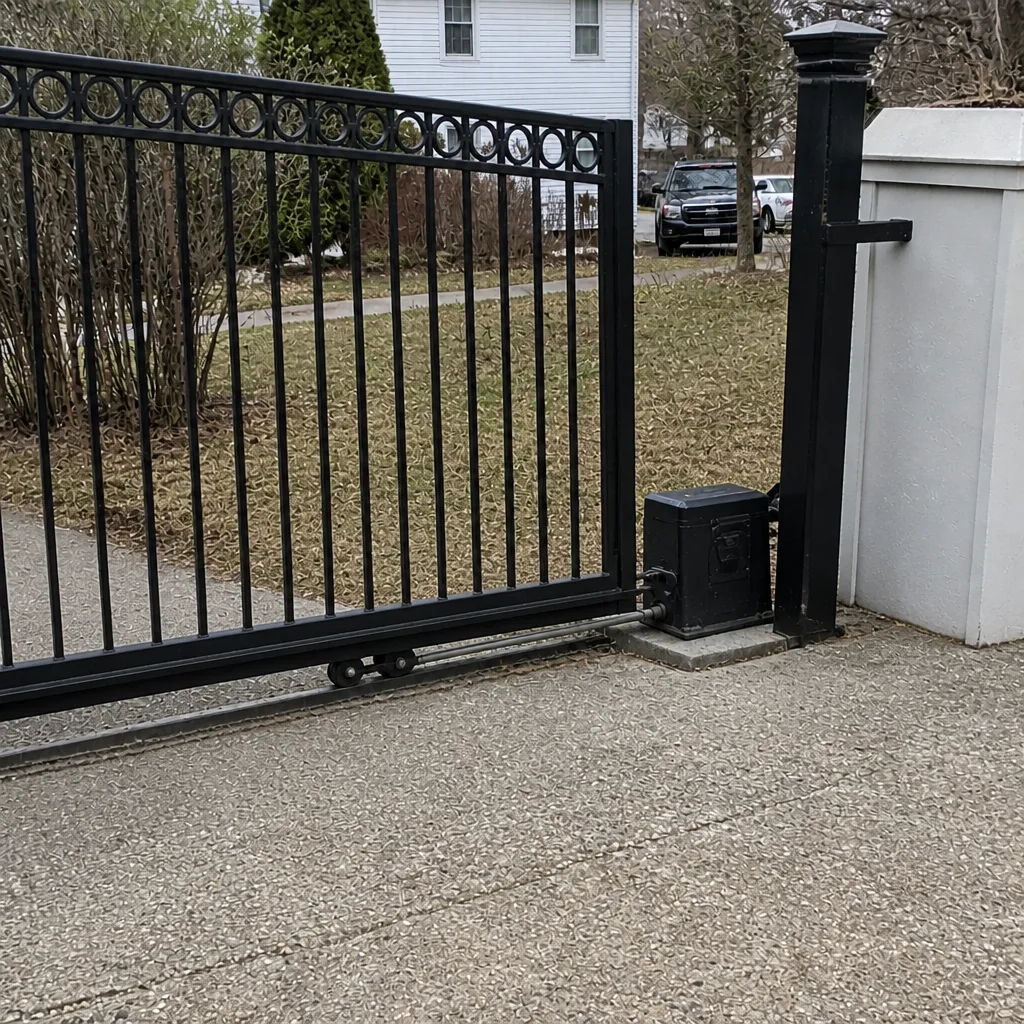 After
When to Call a Professional
Some jobs in this checklist are yours to handle, and some aren’t. Call a professional when:
- A safety test fails – the reversing system, photo eye, or safety edge doesn’t stop the gate. Stop using the operator until it’s checked.
- The gate is stuck, grinding, or making a new noise after a visual inspection.
- You spot cracked hinges, a bent operator arm, or significant frame sag.
- The operator shows a fault light or is behaving unpredictably.
- Any electrical repair is needed – wiring, control board, loop, or power run.
- The gate has been winter-damaged and you’re unsure what’s repairable.
The pattern to watch for in Albany is the pre-spring failure: something that seems minor in November and fails in February. Call when you notice the change, not when the gate stops working. Gate Repair Albany offers free estimates in Albany – call (866) 942-6084. We answer 24/7. Fast dispatch from 7am to 7pm, Sunday through Friday.
Frequently Asked Questions
Hinges, rollers, and latches need lubrication every 90 days, while the operator drive chain and gearbox are an annual task. The most important lubrication of the year happens in late October, before the first hard freeze, because that’s what protects the hardware through the winter’s freeze-thaw cycles. Call (866) 942-6084 for an exact quote on a lubrication and inspection visit – estimates are free.
The monthly check is the 10-minute safety walk-through: the travel path, the obstruction reversal, the photo eyes, the safety edge or loop, the manual release, and a listen for new noises. It needs no tools and catches the safety faults and early mechanical changes that predict bigger failures. If a test fails, stop using the operator and call (866) 942-6084.
Yes – because we work only on gates, our technicians diagnose both mechanical failures and electronic or operator failures in a single visit. You don’t need to coordinate between a gate mechanic and a general handyman. That’s the difference between a gate-only trade and a generalist who treats gate work as a side job. Call (866) 942-6084 for a free estimate.
Yes: do a deep lubrication pass in late October, tighten all mounting hardware, clear the travel path, and test the operator’s force settings and safety systems. Cold stiffens mechanical components, so a borderline operator can fail in January. Getting this done before the first freeze is what prevents the February failures. Call (866) 942-6084 to schedule it.
Not for most of it. A general handyman can handle basic cleaning, but gate operators, control boards, loop detectors, and safety sensors are where generalists routinely misdiagnose faults. Gate work is a trade of its own, and the electrical side carries real risk. Call (866) 942-6084 for a free estimate from a gate-only specialist.
Our technicians work across the major residential and commercial gate operator brands, including LiftMaster, FAAC, BFT, and Linear. We’re brand-agnostic – we fix what you already have rather than pushing a replacement or a brand switch. If your operator is one of these or another common brand, call (866) 942-6084 for an exact quote.
The Bottom Line
Gate maintenance in Albany follows the weather, not an arbitrary calendar. The deep lubrication and hardware inspection in late October is what protects your gate through the freeze-thaw season, and the April review is what catches the winter’s damage. The monthly safety walk-through takes ten minutes and catches the safety faults before they matter. Log every inspection so a technician can spot a trend. And when something fails a safety test, makes a new noise, or the operator misbehaves, call a gate-only specialist rather than forcing it or improvising. Our technicians have up to 12 years of experience diagnosing exactly these problems. Call (866) 942-6084 for a free estimate and get ahead of the February failure this year.
Written by the team at Gate Repair Albany.