
Last updated November 15, 2026
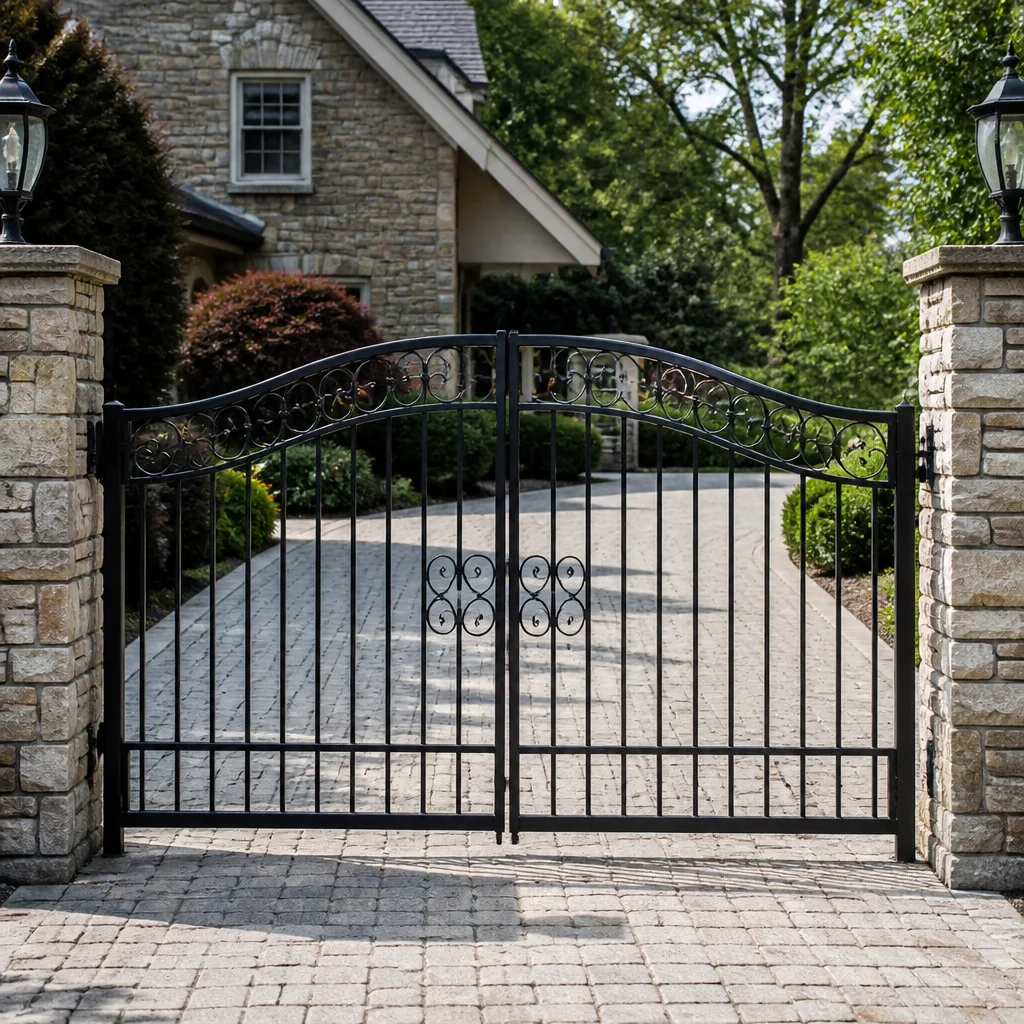 Wrought iron
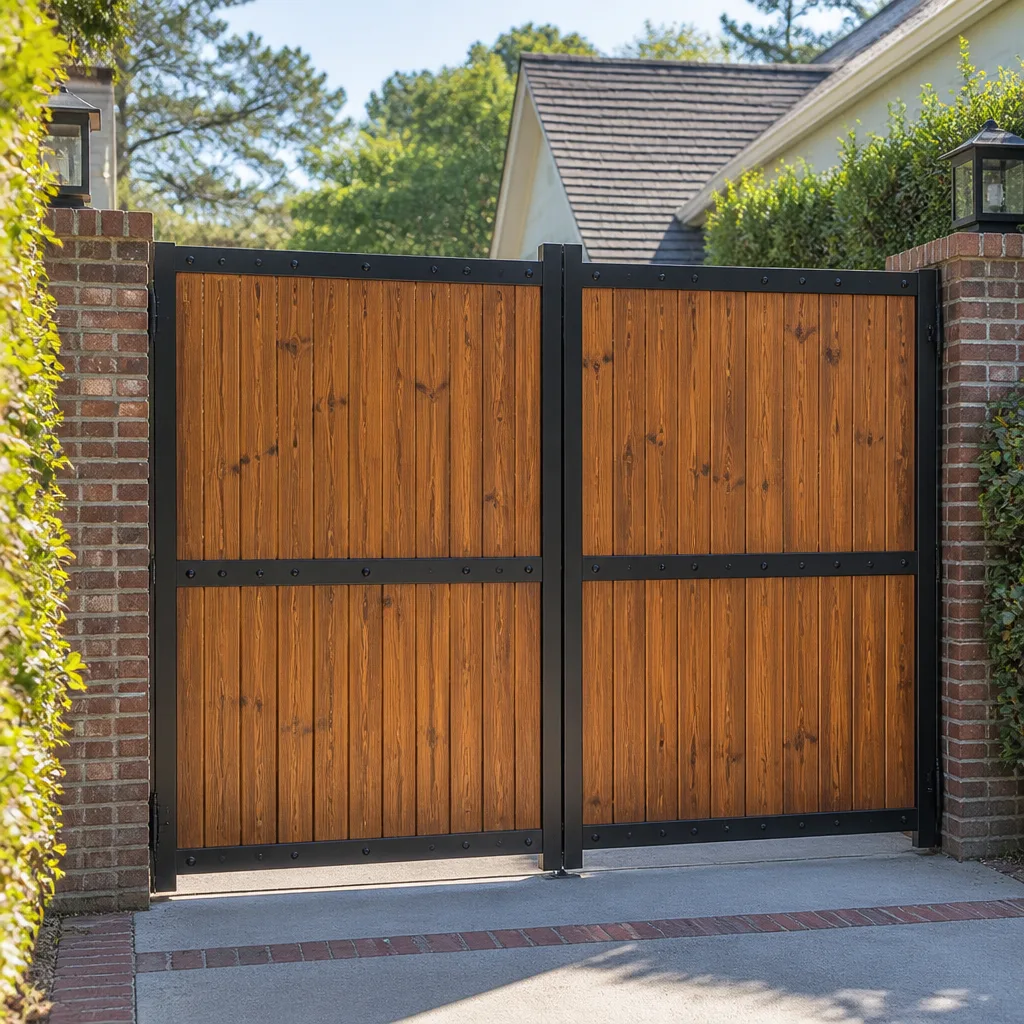 Wood & steel frame
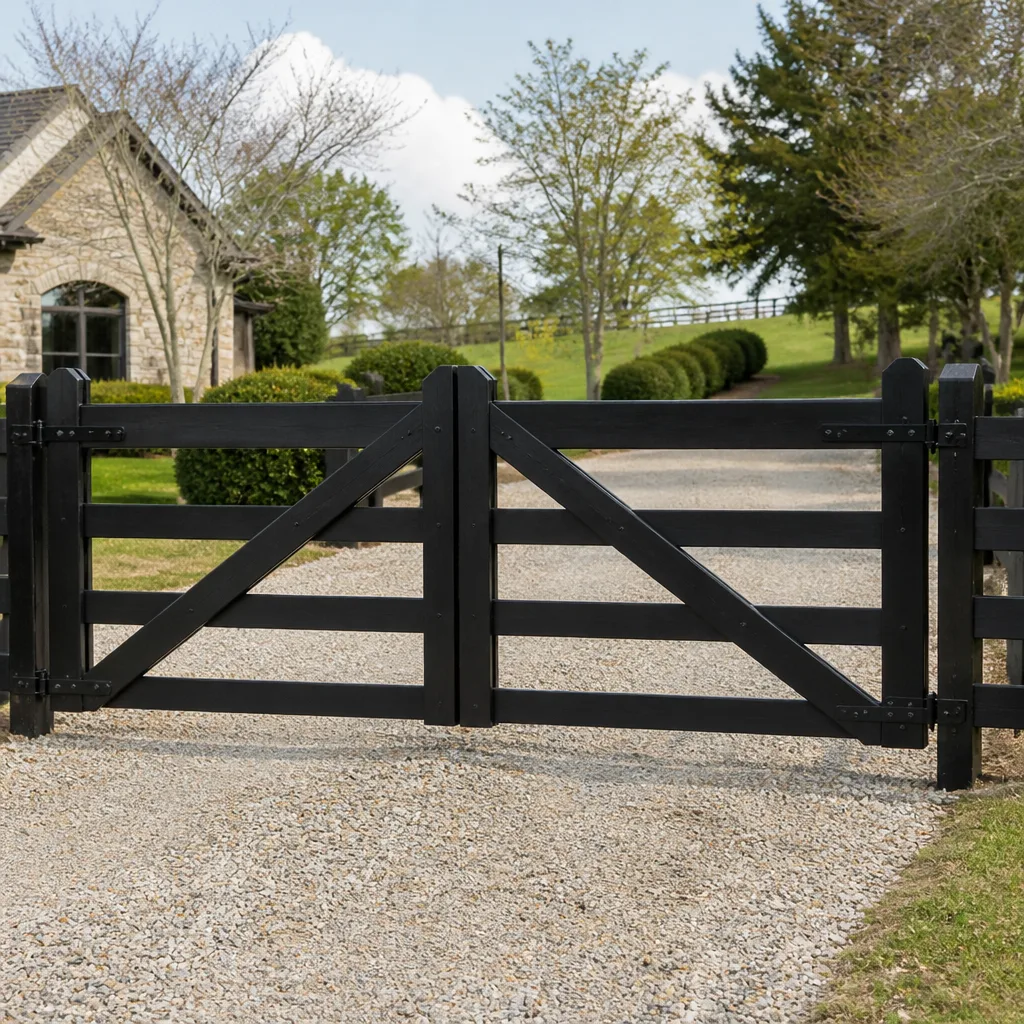 Farm & ranch
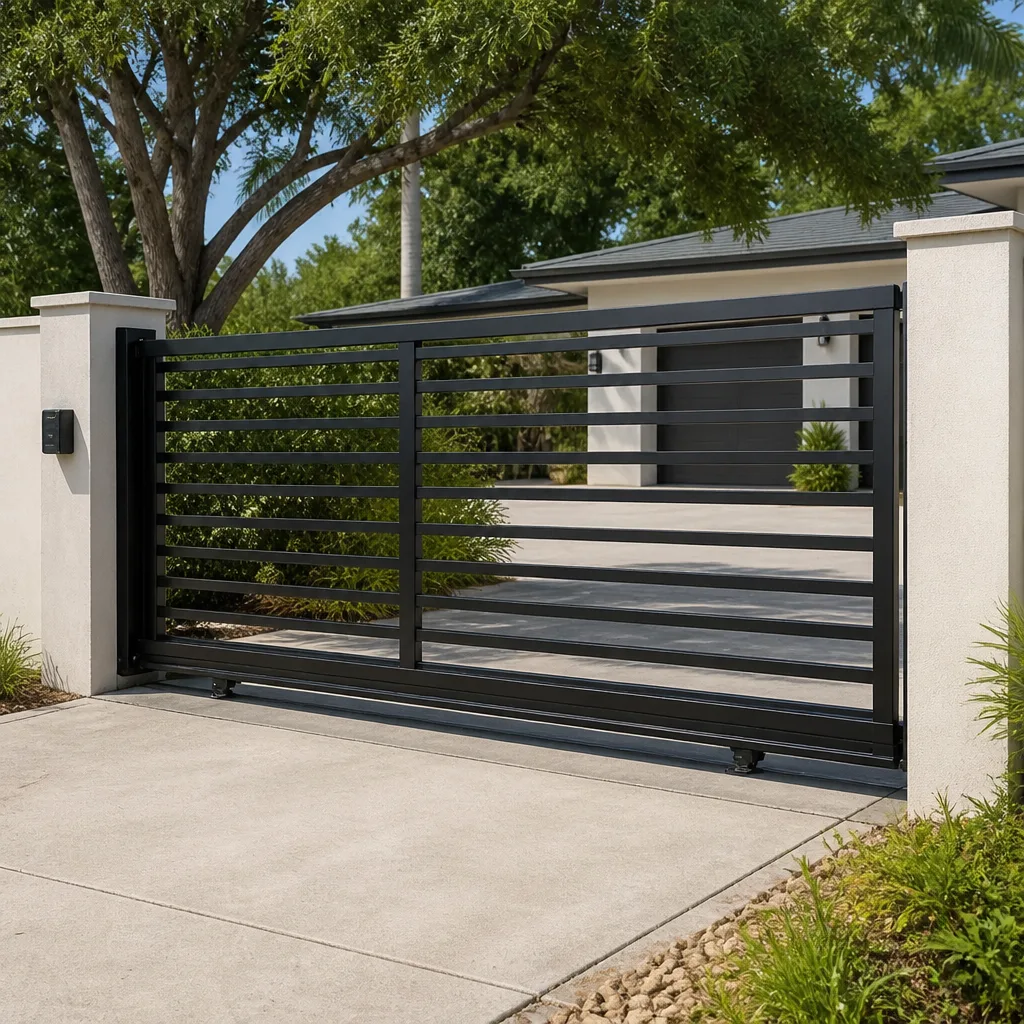 Sliding driveway gates
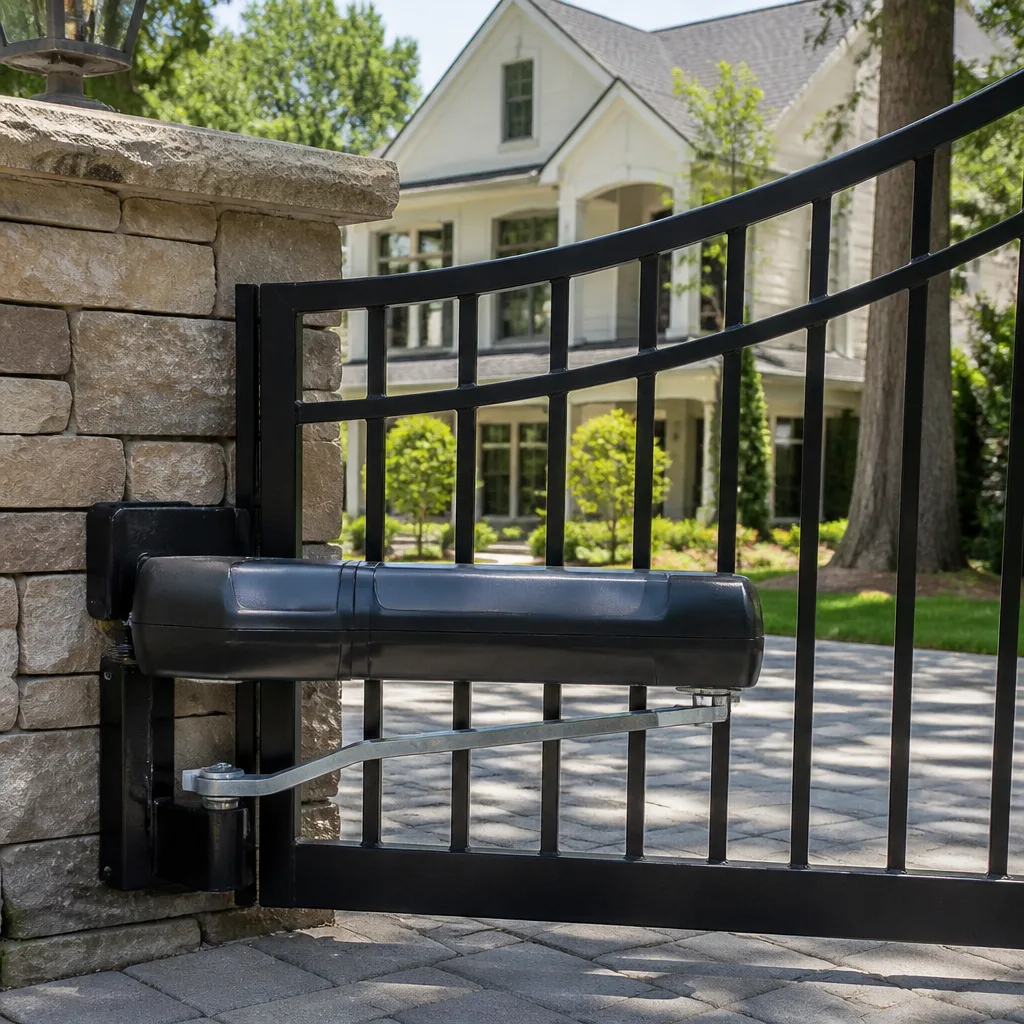 LiftMaster operators
Free on-site gate assessment - hinges, posts, and your LiftMaster or Nice gate operator checked before anything is quoted
The assessment is free and the quote is the invoice.
Get your free estimateChoosing the Right Gate Repair Brand: A Buyer’s Guide for Albany
Most gate buyers in Albany spend weeks comparing spec sheets and brand rankings, then discover the real problem months later: the part that failed isn’t in stock anywhere nearby, and the brand’s regional support has no presence here. The operator that seemed second-best on paper, from a brand with a distributor who can get a control board to your property quickly, keeps your gate working. The one that topped the review sites doesn’t. The difference between those two outcomes almost never comes down to engineering. It comes down to infrastructure. This guide covers which gate operator brands actually have workable parts and support accessible from Albany, the honest trade-offs among the brands used most on residential installs here, and how to spot a contractor recommendation shaped by convenience rather than your gate’s needs.
Quick Answer
The right gate repair brand in Albany is the one whose parts and support you can actually get, not the one that wins online rankings. In practice that means a brand with regional distribution reachable from Albany and a local specialist who knows its control boards, safety sensors, and loop detectors well enough to diagnose the fault in one visit. LiftMaster, FAAC, BFT, and Linear cover most residential installations in this region, and the choice among them matters far less than whether your installer stands behind the brand and can source parts when something fails.
Styles & brands we work with
- Wrought iron
- Wood & steel frame
- Farm & ranch
- Sliding driveway gates
- LiftMaster operators
Table of Contents
- Why Parts Availability Beats Brand Rankings
- The Four Brands You’ll See Most in Albany
- Why Your Local Specialist Matters More Than the Label
- Features Worth Paying For in Albany’s Climate
- Premium Features That Add Cost Without Reliability
- How to Evaluate a Contractor’s Brand Recommendation
- Questions to Ask Before You Commit
Why Parts Availability Beats Brand Rankings
An operator is only as good as the supply chain behind it. A gate operator failing in February is a specific kind of headache in Albany. The gate has to open for deliveries, for school runs, for tenants pulling into a commercial lot. If the failed part is a control board or a limit switch that a distributor three states away has to backorder, the gate stays stuck for weeks regardless of how well the brand scores on reliability surveys. A brand with a regional distributor that can pull the part from stock changes that timeline completely.
Here’s what “parts availability” actually means when you evaluate a brand:
- Regional distribution: Does the brand have a distributor within practical shipping reach of Albany, so a part can arrive in days rather than weeks?
- Common-part availability: Can your local specialist source the routine wear items – rollers, hinges, limit switches, safety sensors, remote receivers – without special ordering?
- Control-board supply: The single most common electronic failure point. Is the board readily available, or does it require a factory rebuild?
- Support line access: When a technician runs into a nonstandard fault on a commercial operator, can they reach a technical support line without waiting on hold for an hour?
Notice that none of these is a spec-sheet measurement. They’re all about what happens after the sale. In our experience, technicians spend as much time tracking down parts as they do turning wrenches, and the brands with accessible distribution cut that time dramatically. When a gate repair job involves an electronic failure – a dead control board, a sensor that won’t clear, an operator that cycles but won’t stay closed – the brand is only half the equation. The other half is whether the part can reach your gate in Albany before the problem becomes a security and access issue.
The shortlist of brands with genuinely workable regional support is shorter than the marketing suggests. Many brands advertise national availability, but “nationwide” often means “we’ll ship it from a single warehouse in the Midwest.” For residential gates in upstate New York, that line of reasoning has failed more installations than any design flaw.
The Four Brands You’ll See Most in Albany
Most residential gate operators installed in and around Albany come from a small group of brands. LiftMaster, FAAC, BFT, and Linear each have real strengths, and each has areas where they create recurring service work. Here’s the honest picture, brand by brand, based on what we actually see in the field.
LiftMaster
LiftMaster is the brand most homeowners in Albany encounter first, largely because its consumer marketing is strong and its dealer network is broad. The residential product line is straightforward, the remote and safety-sensor ecosystem is familiar, and parts availability is generally reliable because so many units are in service. Where it creates service headaches: the entry-level models can feel underbuilt on heavier or wider gates, and the electronics sometimes fault in ways that require reading the control board rather than swapping a part. When the operator is sized correctly for the gate, LiftMaster is a workhorse. When it’s undersized, it fails early.
FAAC
FAAC is a European brand with a reputation for durability and smooth operation on swing gates in particular. Its hydraulic and electromechanical operators hold up well, and the mechanics are often more robust than the residential mainstream. The trade-off is parts. FAAC distribution reachable from Albany is thinner than for the biggest consumer markets, so a failed component can take longer to source. On commercial or heavier-duty installations, that durability often justifies the wait. On a basic driveway gate, it’s a stronger commitment to one brand’s supply chain.
BFT
BFT is another strong swing and sliding gate option, with solid motors and dependable control electronics. It’s well-regarded among installers who work on mid-to-heavy gates, and its operators handle cold-weather cycling reasonably well when the mechanical setup is right. Like FAAC, BFT’s Achilles’ heel in Albany is parts access. Distributors are fewer than the big consumer brands, so repair timelines depend heavily on your specialist’s supply relationships.
Linear
Linear is the practical residential choice for many properties: widely available, reasonably priced, and familiar to most technicians who work gate and access-control systems. The product line is broad, spanning residential swing and slide operators and commercial access control. It’s not the most durable operator on this list for heavy gates, but its parts are easy to find and its service ecosystem is deep. If your priority is a repair turnaround measured in days, not weeks, Linear’s availability is a genuine advantage.
Which brand wins for your gate depends on the gate itself – its weight, its width, how often it cycles, how exposed it is to wind and snow – and on what your local specialist can support. Below, we cover how to weigh that against the marketing.
Why Your Local Specialist Matters More Than the Label
Here’s the part that gets left out of most brand guides: the brand is not what fixes your gate. The technician does. A LiftMaster operator, a FAAC swing gate, a BFT sliding gate, a Linear commercial unit – the repair process starts with a diagnosis, not a part number. The technician has to figure out whether the fault is mechanical (a bent arm, a worn roller, a track out of alignment) or electronic (a control board, a safety sensor, a loop detector, a wiring fault). Those are different skill sets, and a generalist who treats gates as a side job doesn’t usually have both.
Specialization changes the brand conversation in three ways:
- Diagnosis comes first, so the brand recommendation follows the fault. A specialist figures out what actually failed before recommending anything. A generalist tends to recommend a replacement because that’s the job they’re set up to handle, not because a repair wouldn’t have solved the problem.
- Brand-agnostic repair instead of brand preference. Because the specialist isn’t selling one manufacturer’s product, the recommendation can be based on your gate, your site, and your budget rather than on what’s easiest to install or most profitable to push.
- One visit covers both layers. Mechanical and electronic failures frequently overlap on gate systems. A specialist who can diagnose both layers in a single visit saves you a second callout and the two-week period where the gate is stuck between diagnosis and repair.
This is why the brand you buy matters less than the person who services it. Our technicians work across the major gate brands, so the recommendation is based on what suits your gate’s weight, exposure, and cycle count – not on which brand we prefer to work on. A specialist who has walked hundreds of gates in Albany’s freeze-thaw cycles has seen which brands hold up and which fail under local conditions. That direct observation is worth more than any independent brand ranking, because the rankings are built on aggregate data, not on your gate on your property.
We specialize exclusively in gates, and that focus extends to brand knowledge. Whether the operator is a LiftMaster, a FAAC, or a Linear commercial unit, the technician knows the failure patterns and the parts path before they arrive.
Features Worth Paying For in Albany’s Climate
Albany’s climate puts specific demands on a gate operator. Freeze-thaw cycles, snow load on swing arms, ice buildup in tracks, and long cold stretches all attack different parts of the system. Paying for the right cold-weather features is money well spent. Paying for the wrong premium features is money that buys a headache.
Here’s how to think about the features that actually improve reliability in this climate, and the ones that don’t.
- Worth paying for: a properly sized operator. The single biggest cold-weather failure cause is an operator that is undersized for the gate. A motor working at its limit in 15°F weather burns out faster than a correctly sized one. Match the operator’s duty rating to the gate’s weight and cycle count, and add margin.
- Worth paying for: heavy-duty hardware at the pivot points. Hinges, rollers, bearings, and pivot hardware take the brunt of freeze-thaw. Heavier hardware and sealed bearings reduce the number of times a gate drags or binds when temperatures drop.
- Worth paying for: reliable safety sensors and loop detectors. These are not convenience features. They are the components that keep the gate from closing on a vehicle or a person, and they are also a frequent cause of “the gate won’t close” complaints in Albany. A brand with solid sensor support is worth more than one with an extra remote feature.
- Worth paying for: a battery backup that survives a cold night. Power reliability matters, and lead-acid batteries behave differently in cold. A backup system sized for cold-weather performance keeps your gate operating through a winter outage.
Premium features that don’t improve cold-weather reliability
Many premium features add cost without addressing the actual failure modes here:
- App connectivity and smart-home integration: Convenient, but if the operator is undersized or the sensor wiring is loose, the app just reports a gate that won’t close.
- Solar-only charging: Attractive for a gate at the far end of a property with no power run, but in Albany’s short winter days a solar setup needs careful sizing or a battery backup to avoid brownouts during a cold snap.
- Luxury aesthetic finishes: Powder-coated finishes and stylized housings affect appearance, not reliability. Buy them if they matter to you, but don’t confuse them with durability.
The right approach: spend the budget on the operator’s size and duty rating, the mechanical hardware that carries the gate’s weight, and the safety sensors. Skip the electronics upgrades you don’t need and you’ll have a better gate for the same money.
Premium Features That Add Cost Without Reliability
Beyond the smart-home extras, there’s a longer list of premium features that get added to gate installations and rarely earn their place in Albany. None of these are bad features. They just don’t address the failure modes that actually affect gates here, and the cost is real.
Here’s how to separate the features that earn their price tag from the ones that inflate the invoice:
- The wrong operator tier. A commercial-grade operator on a residential driveway gate is sometimes sold as “future-proofing.” It usually just costs more up front and adds complexity. Match the tier to the gate, and buy the next size up when the gate is heavy, wide, or frequently cycled.
- Over-specified access control. On a residential gate, a keypad and a set of remotes cover most households. On commercial gates, access control (card readers, keypads, integrated systems) genuinely matters because you have to track who comes and goes. On a residential gate, the most elaborate standard access control adds cost without improving reliability.
- Solar equipment sized too small. A small solar package looks economical until a stretch of short, cloudy winter days leaves the battery short. If you’re going solar in Albany, size it for the worst month, not the average. Otherwise you’ll be adding a battery maintenance item to your service list.
- Cosmetic operator housings. An attractive housing doesn’t change how the operator runs in the cold. Buy for appearance only if you want to, and don’t pay a premium for appearance under the impression that it’s durability.
- Unnecessary brand switches. A common upsell at repair time is “we’re replacing your unit with [our preferred brand].” If the existing operator is correctly sized and the failure is a single part, a brand switch throws away a working system to install something more profitable. Ask why a specific part repair won’t solve the problem before agreeing to a switch.
The general principle: money spent on making the operator correctly sized and the mechanical hardware robust buys reliability in Albany’s climate. Money spent on features that don’t address cold-weather operation or cycle count is money that will sit unused or cost more to service.
How to Evaluate a Contractor’s Brand Recommendation
A brand recommendation is never completely neutral. The person making it has parts suppliers, familiarity, and preferences of their own. That’s not inherently a problem, but you should know how to read the recommendation so you can tell whether it’s shaped by your gate’s needs or by the contractor’s convenience.
Here’s what to listen for when a contractor recommends a brand:
Signs the recommendation is working for you
- The recommendation references your gate specifically. “Your gate is 12 feet wide and 400 pounds, so we need an operator with this duty rating” is a recommendation built on your site. “We only install Brand X” is a recommendation built on the installer’s shelf.
- The contractor explains the parts supply path. A good answer names where the part comes from and roughly how fast it can arrive in Albany. If the answer is “we’ll figure it out,” the brand choice is not fully thought through.
- The contractor is open to repairing rather than replacing. On a working operator with a single failed part, a repair is usually the right call. A contractor who recommends replacing the whole unit on the first call is either diagnosing a genuine full failure or running a sales-driven process.
- The contractor describes the trade-offs honestly. Every brand has strengths and weaknesses. A recommendation that only ever talks up the chosen brand is not a comparison.
Signs the recommendation is steering you toward convenience
- Only one brand is ever offered, with no reasoning. Sole-source recommendations aren’t automatically wrong, but they warrant a question about what other brands were considered and why.
- “Your brand is unreliable” without evidence. If a brand is regularly in service across Albany, a blanket claim about unreliability is either outdated or motivated.
- A push toward a full replacement when a repair would work. Replacement can be right, but a repair-focused specialist should explain why a part replacement won’t solve the problem before recommending a new operator.
- No mention of parts availability. This is the tell. A true brand recommendation for Albany will address where the parts come from on a future failure, not just what the operator costs today.
There’s one more test: ask whether the contractor can service the brand if it fails two years from now. A recommendation that comes with a plan for future service – parts, diagnosis, control-board familiarity – is the one to trust.
Questions to Ask Before You Commit
Before you sign off on a brand or a contractor, run through a shortlist of questions. They take a few minutes and they save months of frustration if the brand or the contractor is wrong for your gate.
- “What brand are you recommending, and why for my specific gate?” The answer should reference your gate’s weight, width, and cycle count, not just the brand’s reputation.
- “Where do the parts come from, and how fast can we get them?” A useful answer names the distributor path and an honest timeline for a part arriving in Albany.
- “Can you repair my existing operator, or does this need replacement?” A specialist explains why a repair won’t work if the answer is replace. If the answer is repair, ask what part failed.
- “Do you handle the electronic side as well as the mechanical side?” A gate is a mechanical system and an electronic system. Make sure the same visit covers both.
- “What’s included in the written estimate?” The estimate should cover the diagnosis, the part, and the labor, with the price agreed before work starts.
- “Do you service the safety sensors and loop detectors, not just the operator?” The safety system is the part that protects vehicles and people. A gate without working sensors isn’t safe to run.
Compare the answers you get. A contractor whose recommendation is built on your gate and on a clear parts path will answer all six without hedging. A contractor whose recommendation is built on convenience will struggle with two or three of them.
Common Mistakes to Avoid
- Buying on spec-sheet rankings alone. A top-ranked brand with no regional parts distribution can leave your gate inoperable for weeks in February. Evaluate the brand and the supply chain behind it together.
- Choosing an operator that’s undersized for your gate. Under-powering is the most common cause of early motor failure in Albany’s cold. Size the operator for the heaviest gate it will lift, not the lightest.
- Hiring a generalist to diagnose an electronic fault. Control boards, loop detectors, and safety sensors are where generalists misdiagnose most often. A gate specialist should handle both mechanical and electronic layers in one visit.
- Accepting a full replacement when a part repair works. Brand switching on a repair job is often a convenience or profit decision, not a diagnosis. Ask why a repair won’t solve the problem before signing off.
- Paying for premium features that don’t address cold-weather operation. Smart-home integration and cosmetic housings add cost without improving reliability in Albany’s freeze-thaw winters.
- Skipping the safety-system check. A gate without working sensors or loop detectors is a hazard, not just an inconvenience. Ask whether the contractor services these components specifically.
- Not getting a written estimate before work begins. The price should be agreed before the technician starts. A vague “we’ll sort it out” leaves room for an invoice surprise.
See the difference
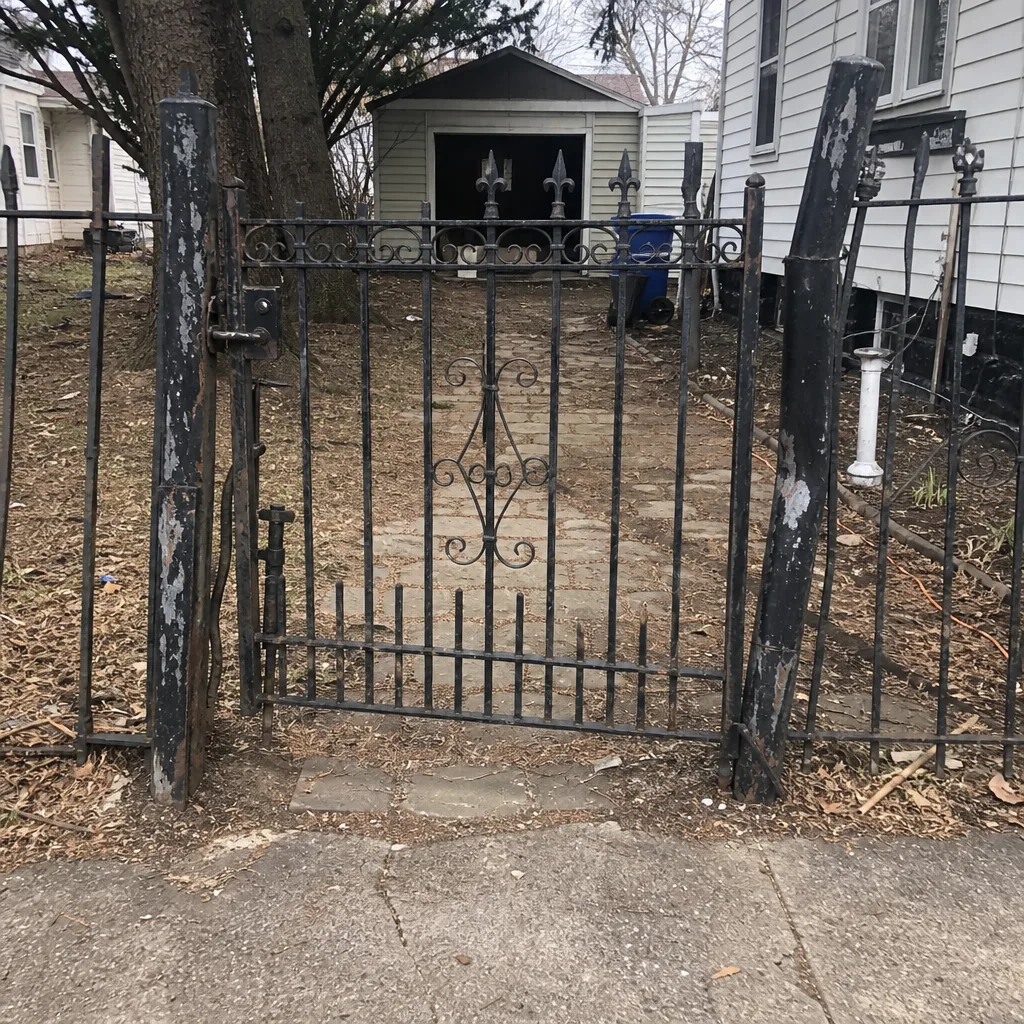 Before
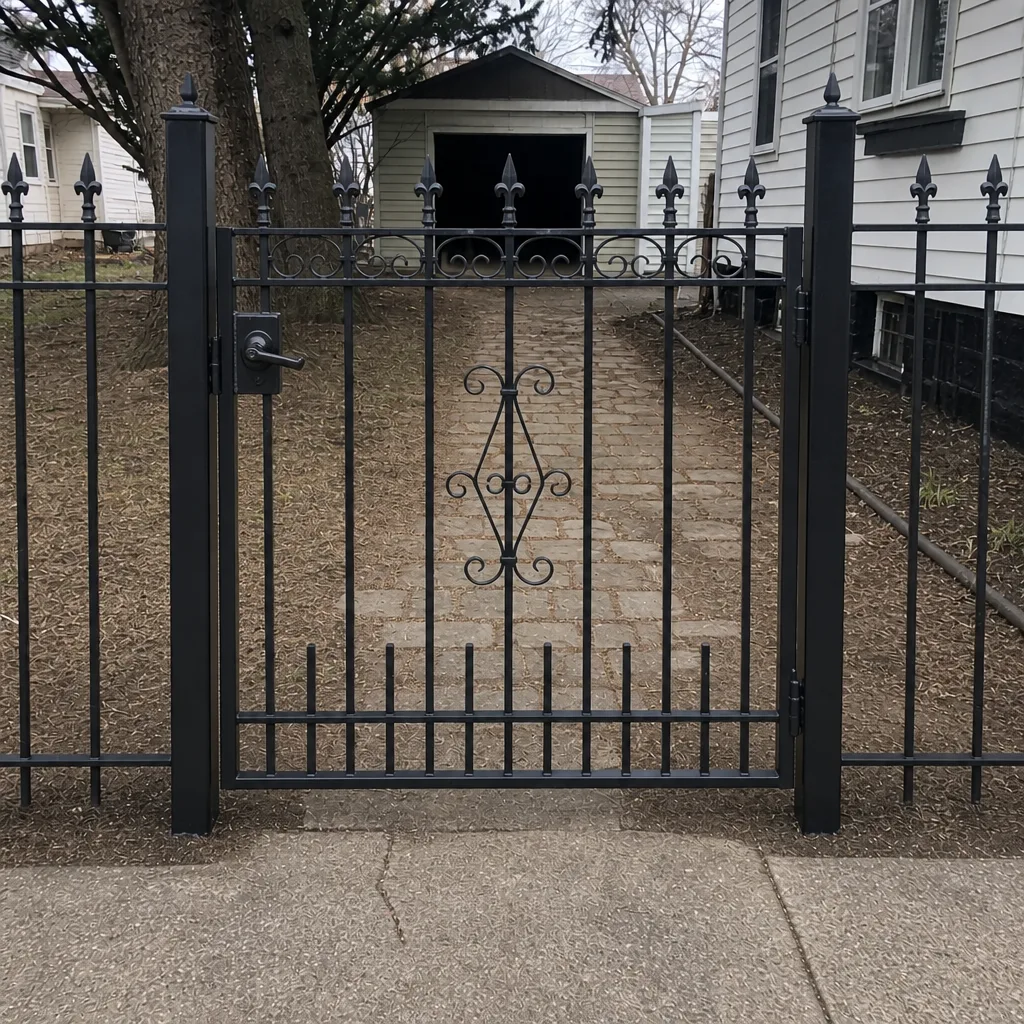 After
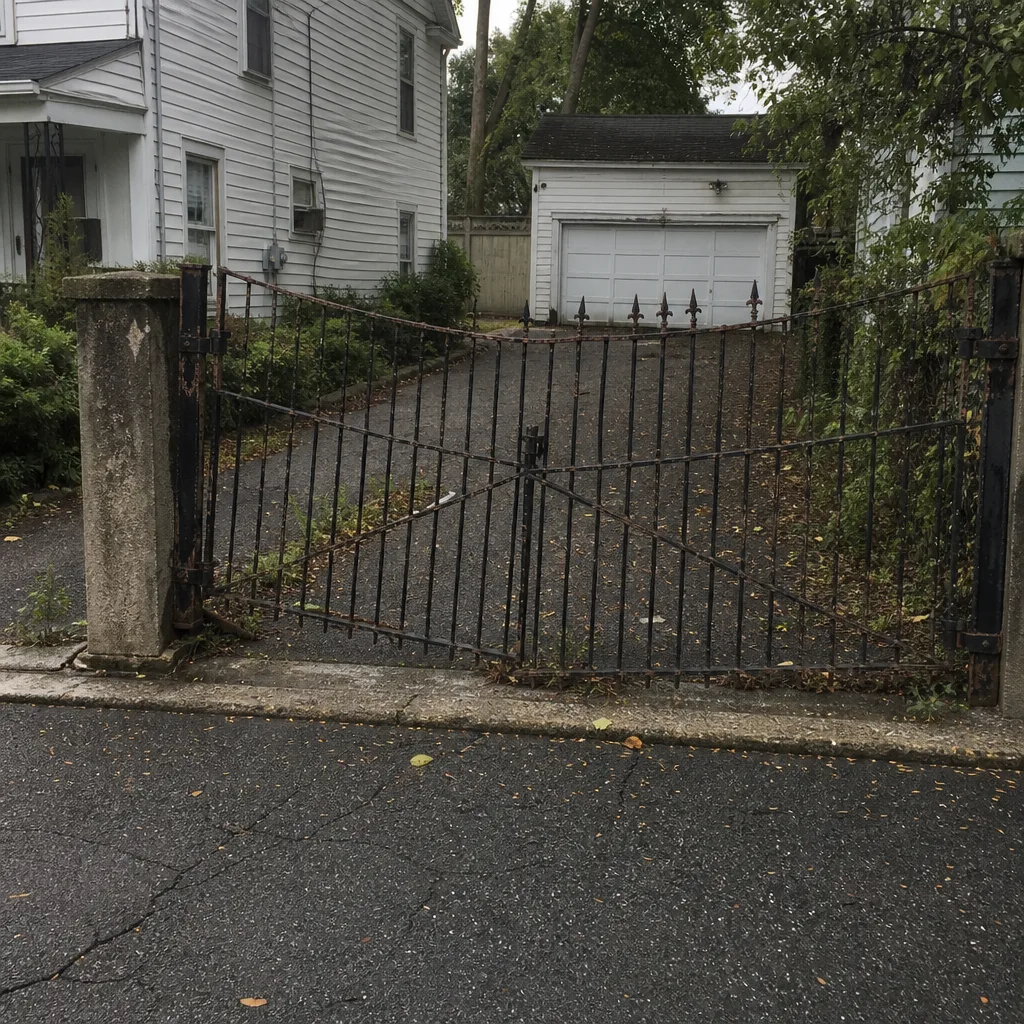 Before
 After
 Before
 After
When to Call a Professional
Some gate problems are worth monitoring; others need a technician the same day. Call a professional when the gate stops opening or closing reliably, when the safety sensors or loop detectors trigger unpredictably, when the operator cycles and then reverses on its own, or when a heavy swing or slide gate binds or comes off the track. Electrical faults inside an operator – a control board, a wiring harness, a power feed – should always be handled by a trained technician, not a homeowner, because a gate operator carries both high-voltage and high-force mechanical risks. If you’re choosing a brand for a new installation, the same call covers a free on-site estimate and a written recommendation. Gate Repair Albany offers free estimates in Albany – call (866) 942-6084. We answer 24/7. Fast dispatch from 7am to 7pm, Sunday through Friday.
Frequently Asked Questions
There’s no single most reliable brand in Albany, because reliability depends on matching the operator to your gate’s weight and cycle count, and on getting parts when something fails. LiftMaster and Linear are widely serviced and easy to source parts for, while FAAC and BFT build durable operators with a thinner regional parts network. The right brand is the one your specialist can support. Call (866) 942-6084 for an exact quote – estimates are free.
Yes, quite a lot. A brand with a regional distributor that can reach Albany quickly cuts repair time compared to a brand that has to backorder a control board from a distant warehouse. In our experience, parts availability is often the dominant factor in how long a gate stays down. Call (866) 942-6084 for an exact quote – estimates are free.
Repair is usually the right call if a single part failed and the operator is correctly sized for your gate. Replacement makes sense when the operator is undersized, the motor is failing, or the operator is unavailable and a part can’t be sourced. A specialty technician will explain why a repair won’t work before recommending a replacement. Call (866) 942-6084 for an exact quote – estimates are free.
Only if the extra cost buys cold-weather reliability. An operator correctly sized for your gate, with heavy-duty hardware at the pivot points and dependable safety sensors, is worth paying for. Smart-home integration and cosmetic housings add cost without improving cold-weather performance. Call (866) 942-6084 for an exact quote – estimates are free.
Yes, and a gate specialist should. Gate failures often combine a mechanical problem (a worn roller, a bent arm) with an electronic one (a sensor, a control board). A specialist who handles both layers diagnoses in one visit, which saves a second callout and gets the gate running sooner. Call (866) 942-6084 for an exact quote – estimates are free.
A biased recommendation usually offers one brand with no reasoning, claims your current brand is unreliable without evidence, or pushes a full replacement when a repair would work. An unbiased recommendation references your gate specifically, explains the parts path to Albany, and describes the trade-offs among brands. Call (866) 942-6084 for an exact quote – estimates are free.
The Bottom Line
The gate brand choice matters less than the parts and support infrastructure behind it. In Albany, the failure point is rarely the motor’s design – it’s waiting weeks for a control board in February. LiftMaster and Linear are the practical residential choices because parts reach the region quickly, while FAAC and BFT build excellent operators with a thinner supply network. Pair any brand with a specialist who handles both mechanical and electronic failures, keep the recommendation grounded in your gate’s weight and cycle count, and spend the budget on correct sizing and safety sensors rather than premium features. That combination is what keeps a gate working through the winter. For a free estimate on a repair, an electric gate repair, or a new installation in Albany, call (866) 942-6084. Our technicians have up to 12 years of experience, and every price is quoted and agreed before any work starts.
Written by the team at Gate Repair Albany.
Our technicians have up to 12 years of experience. We specialize in Gate Repair Albany work – whether you need gate repair, electric gate repair, or a new installation in Albany, call (866) 942-6084 for a free estimate. We answer 24/7. Fast dispatch from 7am to 7pm, Sunday through Friday.