
Last updated November 15, 2026
 Wrought iron
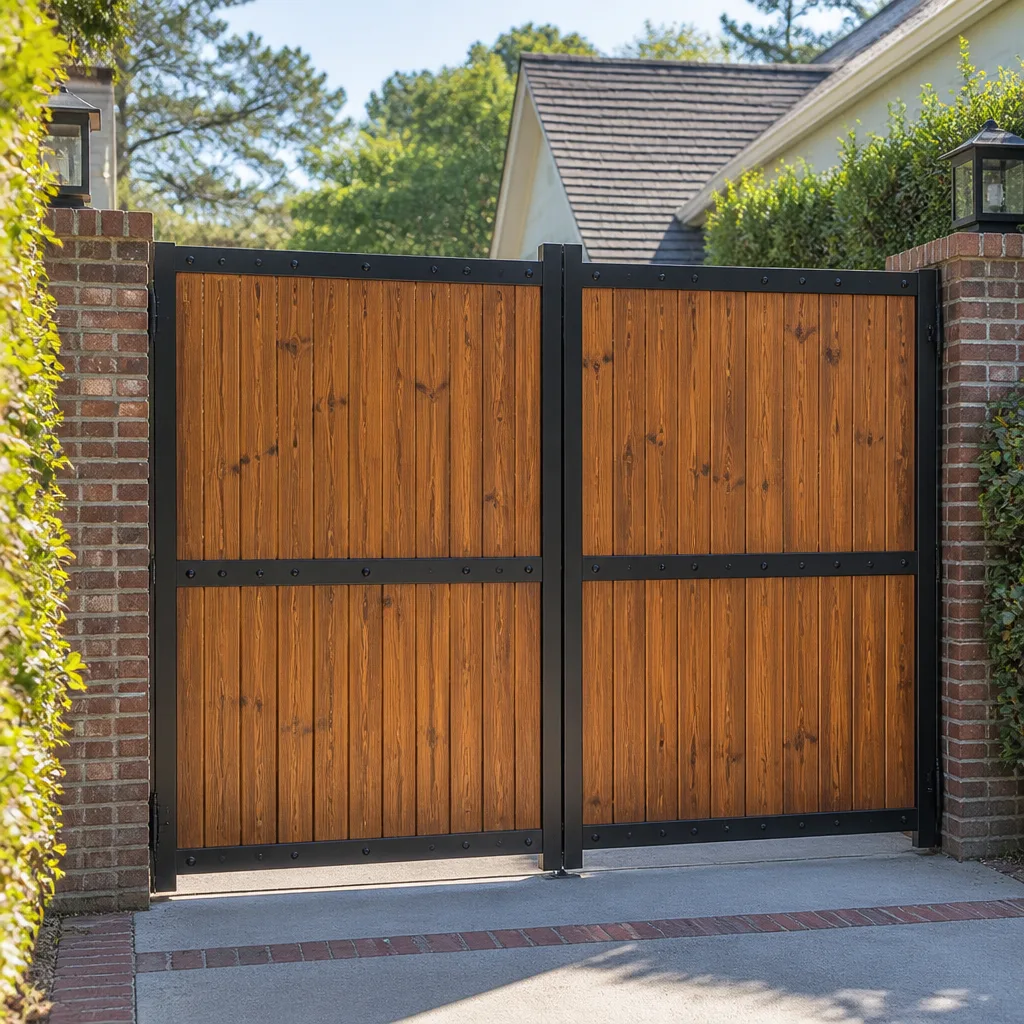 Wood & steel frame
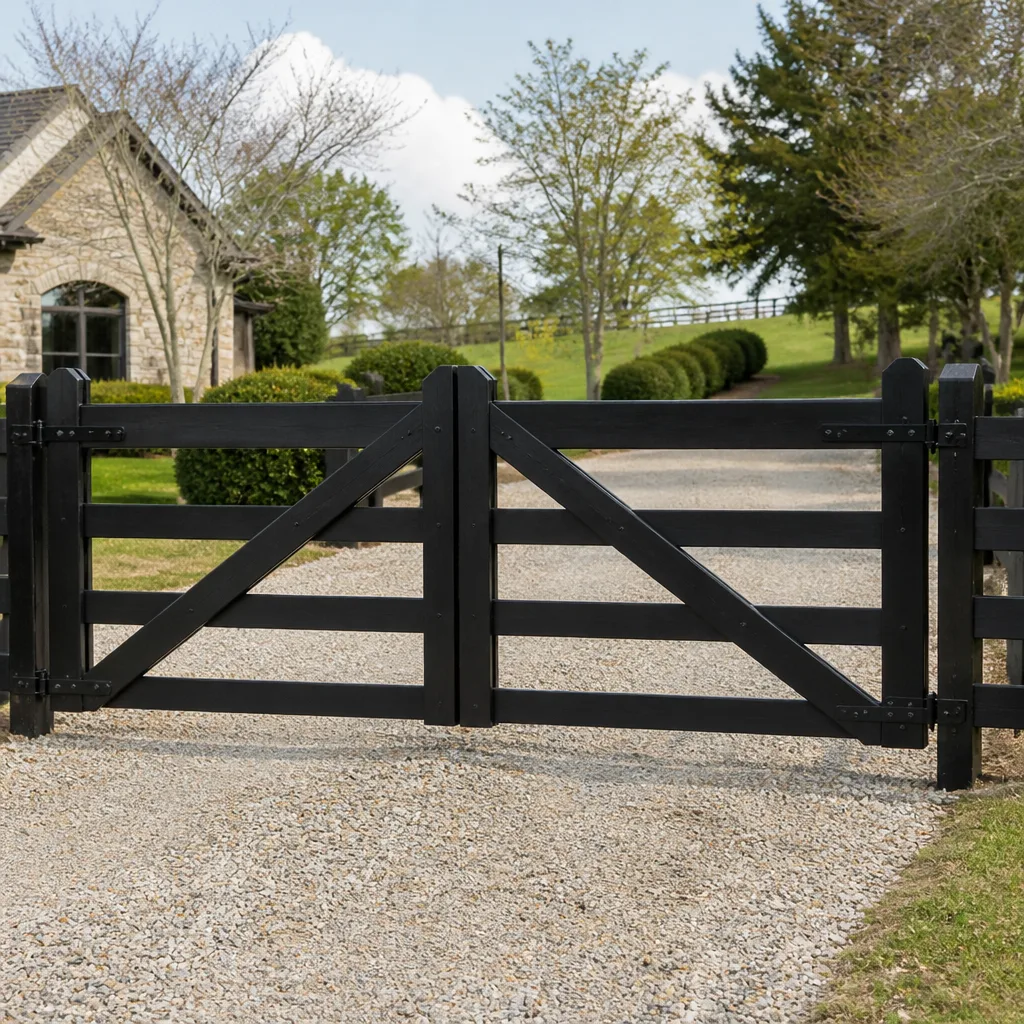 Farm & ranch
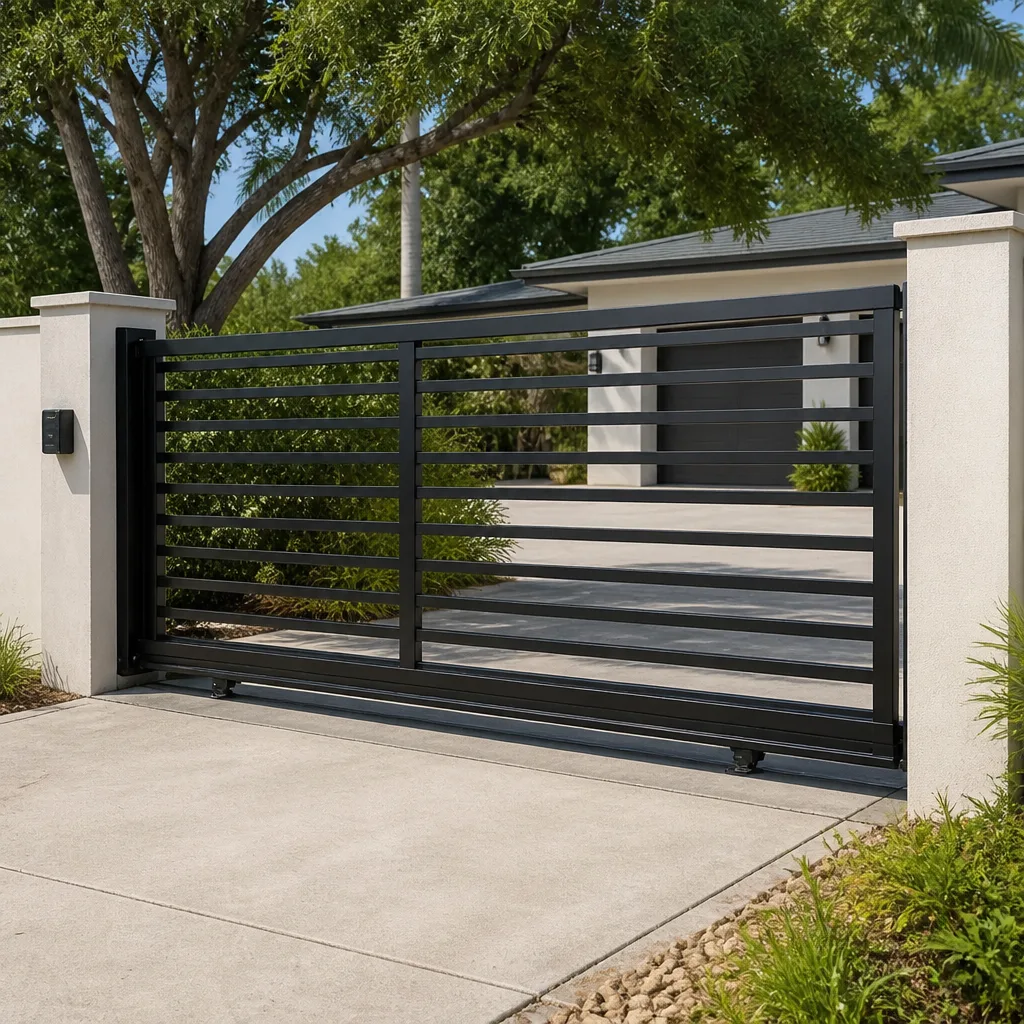 Sliding driveway gates
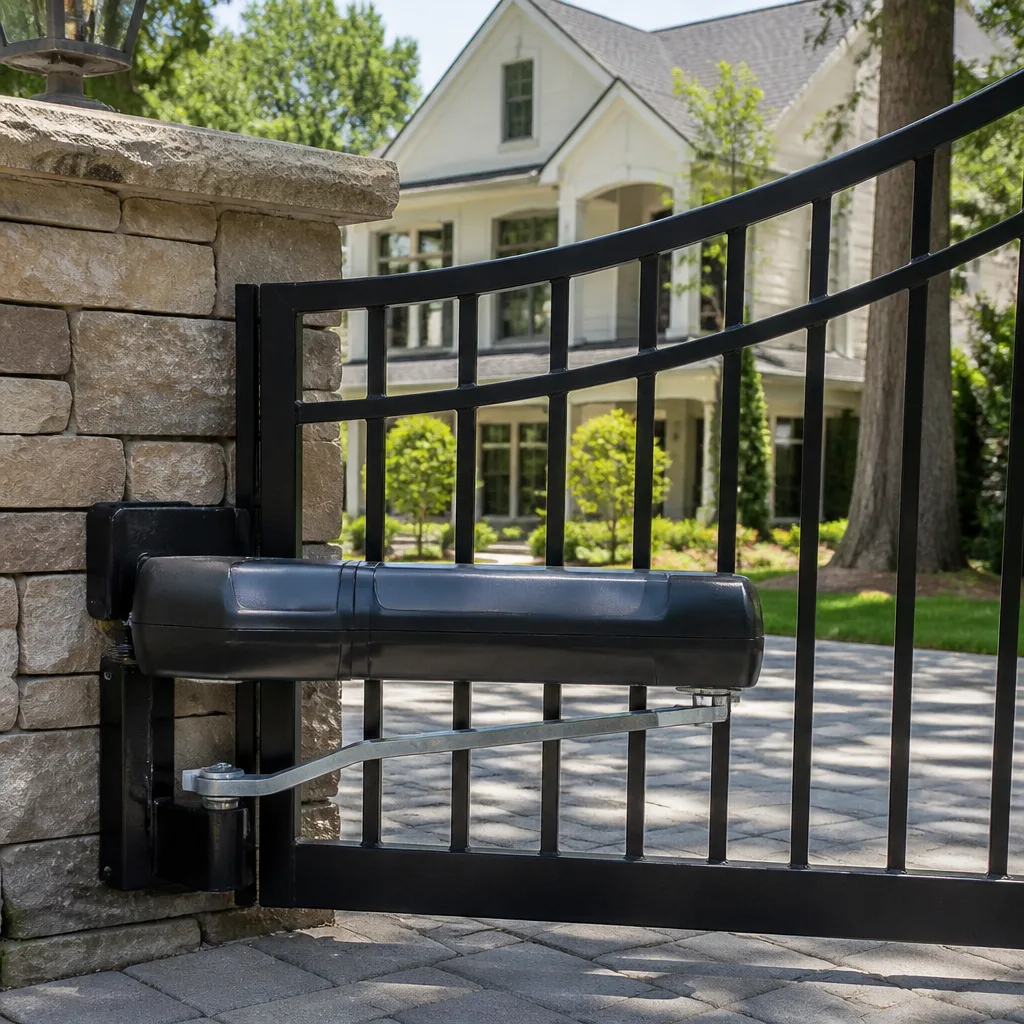 LiftMaster operators
Free on-site gate assessment - hinges, posts, and your LiftMaster or Nice gate operator checked before anything is quoted
The assessment is free and the quote is the invoice.
Get your free estimateGate Repair Emergency Preparedness Guide for Albany Homes
The most expensive gate repair calls Albany specialists receive in winter don’t come from gates that broke down. They come from gates that someone forced open by hand without disengaging the operator first, shearing gears or bending the arm. A gate that fails during a sleet storm or a power outage is already a problem. A gate that fails because it was muscled past a locked operator is a repair bill. The difference between those two outcomes is a plan made before anything goes wrong. This guide builds that plan for Albany homes: how to release each operator type the right way, what a battery backup really does in a Capital Region cold snap, what to do when the gate sticks closed versus stuck open, and which temporary fixes are safe while you wait for a technician. Read it once now, and the first five minutes of a gate emergency take care of themselves.
Quick Answer
If your automatic gate stops working in Albany, the first move is to stop forcing it. Find your operator’s manual release (usually a keyed lever, chain, or release handle on the operator housing), disengage the gate from the motor, and move the gate by hand only after you’ve confirmed it’s free. Then check whether the problem is power, battery, or a mechanical fault before calling for service. Call (866) 942-6084 to book a technician. We answer 24/7, and fast dispatch runs from 7am to 7pm, Sunday through Friday.
Styles & brands we work with
- Wrought iron
- Wood & steel frame
- Farm & ranch
- Sliding driveway gates
- LiftMaster operators
Table of Contents
- How to Manually Release Every Automatic Gate Operator Type
- The Albany Power Outage Protocol
- Emergency Access: Stuck Closed Versus Stuck Open
- Safe Temporary Fixes Versus Damage-Causing Ones
- What to Document Before an Emergency
- Winter-Specific Gate Failures in Albany
- Common Mistakes to Avoid
- When to Call a Professional
How to Manually Release Every Automatic Gate Operator Type
Manual release is the single step homeowners skip, and it’s the one that saves the gate. Every automatic operator is built to be disengaged from the gate so you can move it by hand. The release looks different on each type, and using the wrong one, or forcing the gate before the release is fully engaged, is what bends arms and strips gears.
Find your operator type, then follow the release method. If you’re not sure which you have, the operator housing usually carries a brand plate. We work on LiftMaster, FAAC, BFT, Linear, Viking, Ghost Controls, DoorKing, Elite, and Mighty Mule equipment, so a quick photo of that plate to a technician settles it fast.
- Chain-driven slide gate: Look for a release lever or handle on the operator, often under a keyed cover. Turn the key, pull or flip the release, and the drive gear disengages from the chain. The gate should now roll freely by hand. If it doesn’t, the release isn’t fully seated; don’t push harder.
- Swing arm operator: These mount on a post and push the gate leaf. The release is usually a keyed lever on the arm housing that lets the arm swing free of the gate. Disengage before you move the leaf, or you’ll fight the motor’s gearing.
- Ram (linear) operator: The release is typically a keyed handle or pin on the ram body that uncouples the piston from the gate. Pull it fully, then test the gate by hand with light pressure before walking it open.
- Underground operator: These sit in a housing below grade and use a keyed release, often a manual crank or a keyed disengagement on the cover. Do not pry the cover. If the release won’t turn, stop and call; underground units are the least forgiving of force.
The step most people skip: after releasing, move the gate a few inches by hand and feel for binding before you swing it wide. If it binds, something mechanical is wrong beyond power, and forcing it the rest of the way does the damage. Electric gate repair technicians live in this layer of the system; when in doubt, stop and let someone who knows the operator take a look.
The Albany Power Outage Protocol
When the power drops in Albany, a gate with a charged battery backup should keep cycling for a while. A gate with a dead or aging battery will sit still, and that’s not a malfunction. It’s a depleted battery. Knowing the difference saves you a service call and, more importantly, saves you from forcing a gate that’s simply waiting for power to return.
Battery backup behavior varies by operator. Most residential units use a sealed backup battery in or near the control box that keeps the gate cycling for a limited number of open-close cycles, not indefinitely. Cold is the wildcard in Albany. Battery capacity drops in freezing temperatures, so a battery that carries a gate through a mild fall outage may fall short on a single-digit January night. That’s chemistry, not a defect, and it’s why winter is when backup problems show up.
Work through this protocol before you call:
- Confirm the outage is yours, not the neighborhood’s. Check another circuit in the house. If the house has power and the gate doesn’t, suspect the gate’s own breaker, a tripped GFCI, or the operator’s power supply.
- Listen at the operator. A faint beep or a status light on the control board tells you the unit has power and is in backup mode. Silence suggests no power at all.
- Count the cycles. If the gate works a few times after the outage and then stops, the battery is doing its job and running down. Depleted, not broken.
- Check the battery age if you can see it. Backup batteries don’t last forever. If yours has been in service for several winters, plan on replacing it rather than waiting for the next storm.
When power returns and the gate still won’t cycle, or the battery won’t hold a charge, that’s a malfunction and worth a diagnostic visit. We handle both sides of the system, so a technician can check the battery, the charging circuit, and the control board in one stop rather than sending you between trades.
Emergency Access: Stuck Closed Versus Stuck Open
A gate stuck closed and a gate stuck open are two different problems with two different priorities. Stuck closed means you can’t get in or out, which is an access problem. Stuck open means your property is standing open, which is a security problem. Treat them in that order.
When the gate is stuck closed
Access comes first, but safety comes before access. If someone in the household has a medical need or the gate is the only vehicle exit, manual release is the right tool, done correctly. Release the operator, move the gate by hand, and get the vehicles out. Once people and cars are clear, leave the gate in the position that keeps the property secure until a technician can look at it. Don’t jam it, prop it with a rock against the mechanism, or tie it shut against the operator arm. Those fixes cause more damage than the original fault.
When the gate is stuck open
Security comes first here, but so does safety around a moving gate. Don’t try to force a stuck-open gate closed against a live operator. If the gate is holding open because of a fault, the operator may still try to move it at any moment. Disengage the operator first, then close the gate by hand if it moves freely. If a heavy slide gate or a wide swing leaf is involved, get a second person to help and keep hands and feet clear of the track and hinge line. A gate panel that comes off its track or swings unexpectedly can crush; that’s not a job for one person forcing it.
In both scenarios, the question is the same: is this a power, battery, or mechanical fault? Answer that first, and the rest of the decision usually makes itself.
Safe Temporary Fixes Versus Damage-Causing Ones
While you wait for a technician, some temporary measures are harmless and some quietly wreck the system. The safe ones buy time without touching the mechanism. The unsafe ones feel like solutions in the moment and turn a small repair into a bigger one.
Safe to do while you wait:
- Disengage the operator and leave the gate in a fixed, hand-moved position.
- Clear snow, ice, and debris from the gate’s path and the track so nothing binds when the gate does move.
- Note exactly what the gate does and doesn’t do (cycles partway, beeps, reverses immediately, no light on the board) so the technician starts with real information.
- Keep people and pets clear of the gate’s swing or slide zone until it’s back in service.
Not safe, and likely to cause damage:
- Forcing the gate while the operator is still engaged. This is what shears gears and bends arms.
- Jumping the operator with a car battery or bypassing the control board. You can fry electronics that were fine before.
- Disconnecting or taping over safety sensors and photo eyes to make the gate “work.” Sensor bypasses are a crush hazard and are not a fix.
- Wedging, tying, or propping a gate leaf against the operator arm or track.
- Prying an underground operator cover or cutting into the operator housing.
Anything involving the operator’s wiring or power should be left to a trained technician. Gate operators run on line voltage, and the control board is not a place to experiment. If you’re not sure whether a fix is safe, it isn’t. Call and describe it instead.
What to Document Before an Emergency
When a gate fails at night in a storm, you don’t want to be crawling around with a flashlight trying to read a model plate. Five minutes of documentation now makes every future emergency faster, cheaper, and safer. Keep a photo and a note on your phone.
- Operator model and brand. Photograph the plate on the operator housing. Knowing you have a DoorKing or a LiftMaster unit, or an Elite or Mighty Mule gate opener, tells a technician what parts and release method to expect before anyone arrives.
- Manual release location. Note where the release is and what key it takes, and keep that key where you can find it in the dark. This is the single most useful piece of information in an emergency.
- Who installed the gate. If you have the installer’s contact or the original paperwork, keep it with the gate documentation. It helps trace parts and setup.
- Utility lines near the gate. Note any buried power, water, sprinkler, or low-voltage lines that run near the gate posts and operator. If a post or the operator ever needs to come up, knowing what’s below saves a nasty surprise.
- What the gate did before it failed. Keep a short note of any odd behavior: slowing down, reversing partway, beeping, or struggling in cold weather. That history is diagnostic gold.
All of this lives on your phone in a minute or two. It’s the difference between a technician arriving with a plan and everyone starting from zero.
Winter-Specific Gate Failures in Albany
Albany winters are hard on gate hardware, and the failures that show up in January rarely show up in July. Freeze-thaw cycles, packed snow, and long cold spells put stress on the parts that keep an automatic gate moving.
What we see most in a Capital Region cold snap:
- Battery backup that can’t keep up. Cold cuts battery capacity, so a backup that held in fall runs down faster in a deep freeze. Depleted, not broken.
- Ice and snow jamming the path. A slide gate that tries to close into a drift will reverse or stall. Keeping the track and swing path clear is most of the battle.
- Frozen hinges and binding hardware. Cold thickens grease and stiffens hinges, so the operator works harder to move the leaf. That extra load is what puts strain on the arm and gears.
- Moisture in the control box. Melt cycles and freeze-ups can get moisture where it shouldn’t be, causing intermittent faults that only show up on cold mornings.
The winter habit that matters most: before a storm, clear the gate’s path and release the operator if you expect a long outage. A gate left engaged in a drift will fight the motor and lose. And when something does fail in the cold, don’t force it. That’s when the expensive damage happens.
Common Mistakes to Avoid
- Forcing the gate before disengaging the operator. This is the top cause of sheared gears and bent arms. Release first, then move the gate by hand.
- Leaving the gate in gear during a storm. An engaged operator fighting a snowdrift or a jammed track is working against a load it can’t win. Release it and let the gate rest.
- Bypassing safety sensors to make the gate “work.” Taping over photo eyes or disconnecting safety edges turns a nuisance into a crush hazard. Never bypass them.
- Assuming a dead gate is a dead battery. Sometimes it is, but a tripped breaker, a bad control board, or a mechanical bind can look identical. Confirm the cause before you replace parts.
- Jumping the operator with a car battery. You can cook the control board and turn a small fix into electronics replacement. Leave the power side to a technician.
- Propping or wedging the gate against the operator. Jamming hardware into the mechanism bends what was straight and costs more to fix than the original fault.
- Waiting until the gate fails to find the release key. If you can’t locate the key in an emergency, you can’t release the gate. Know where it is before you need it.
When to Call a Professional
Some gate problems are a decision you can make. Others need a technician. Call for help when the release won’t turn or the gate won’t move freely after release, when you find bent arms, stripped gears, or a gate off its track, when the power is on but the gate won’t cycle or cycles erratically, when a safety sensor or photo eye is faulty and can’t simply be cleared, and whenever anything involves the operator’s wiring, control board, or power supply. Those are the cases where forcing a fix makes it worse. We specialize exclusively in gates, so a technician can diagnose both the mechanical and electronic sides in a single visit, whether you’re running a DoorKing access operator or a residential Mighty Mule. Gate Repair Albany offers free estimates in Albany. Call (866) 942-6084. We answer 24/7, and fast dispatch runs from 7am to 7pm, Sunday through Friday.
See the difference
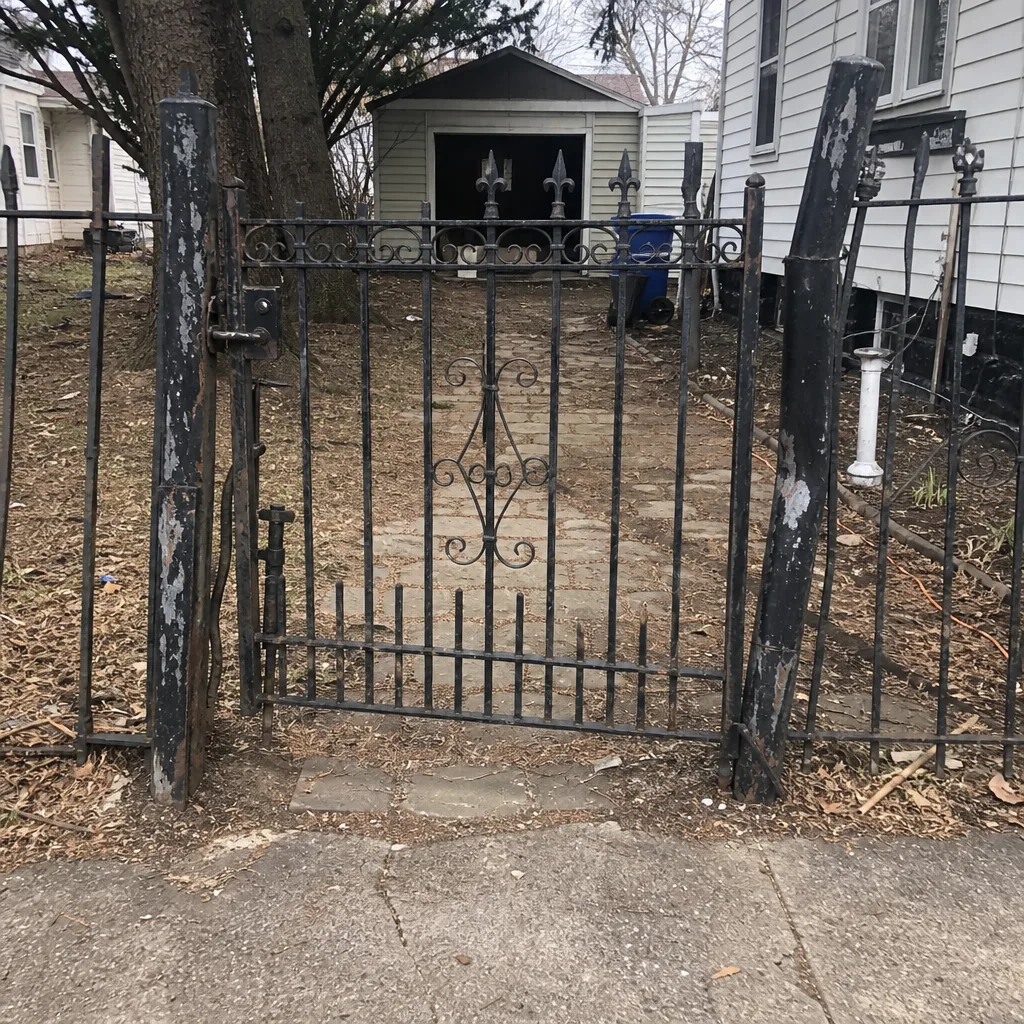 Before
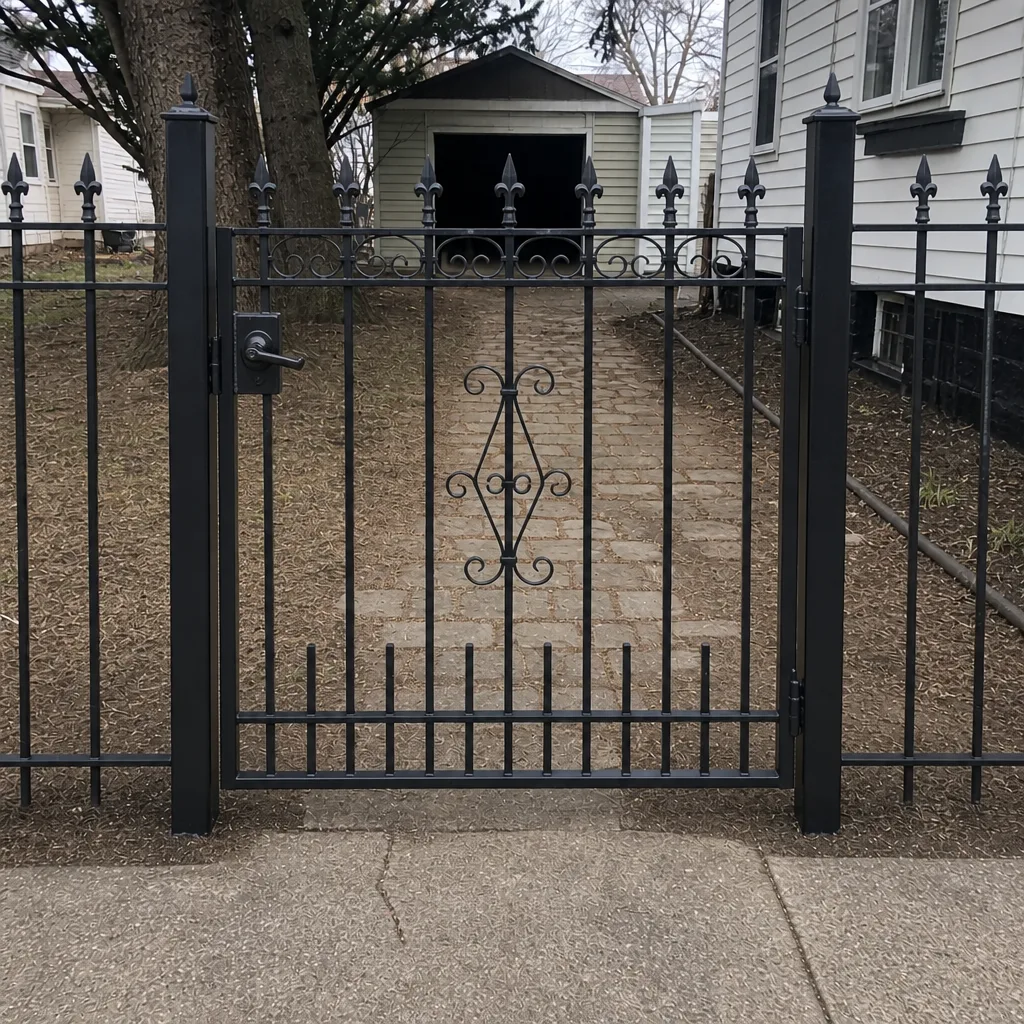 After
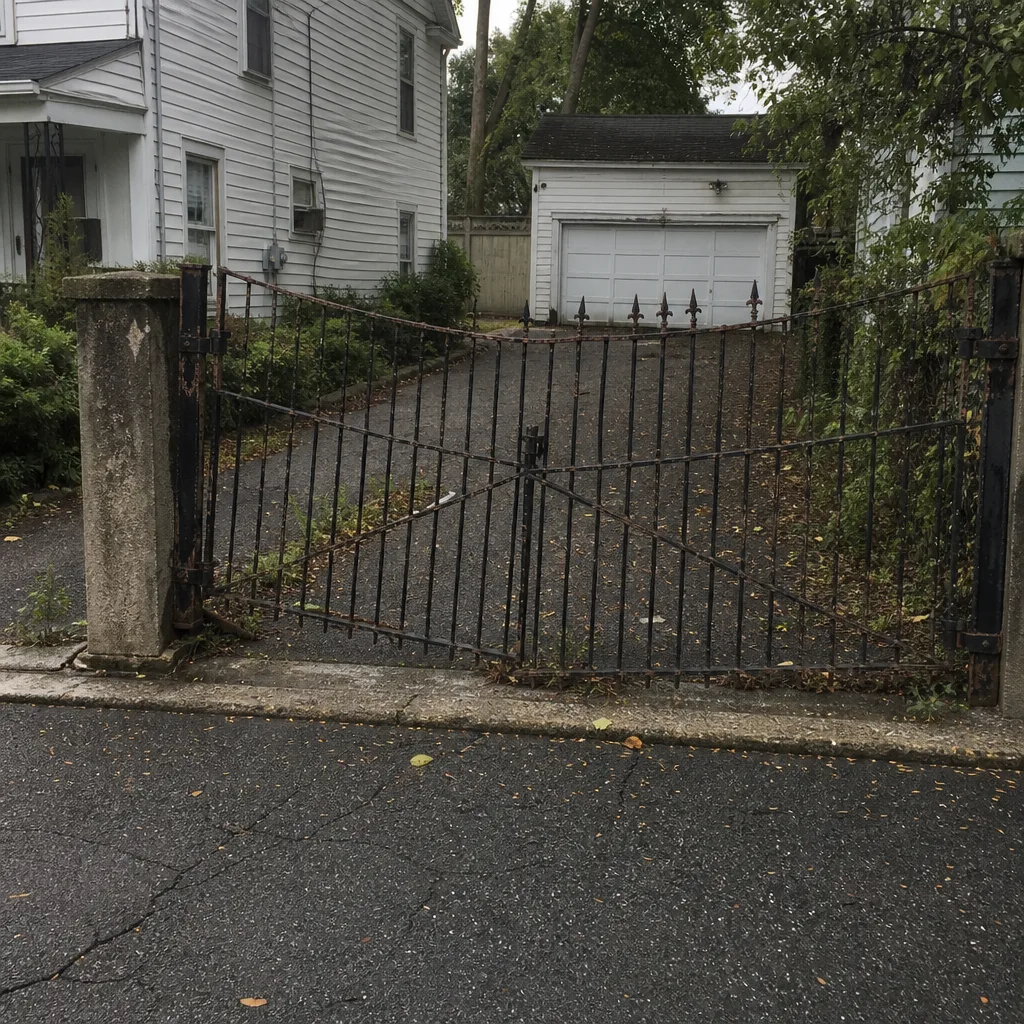 Before
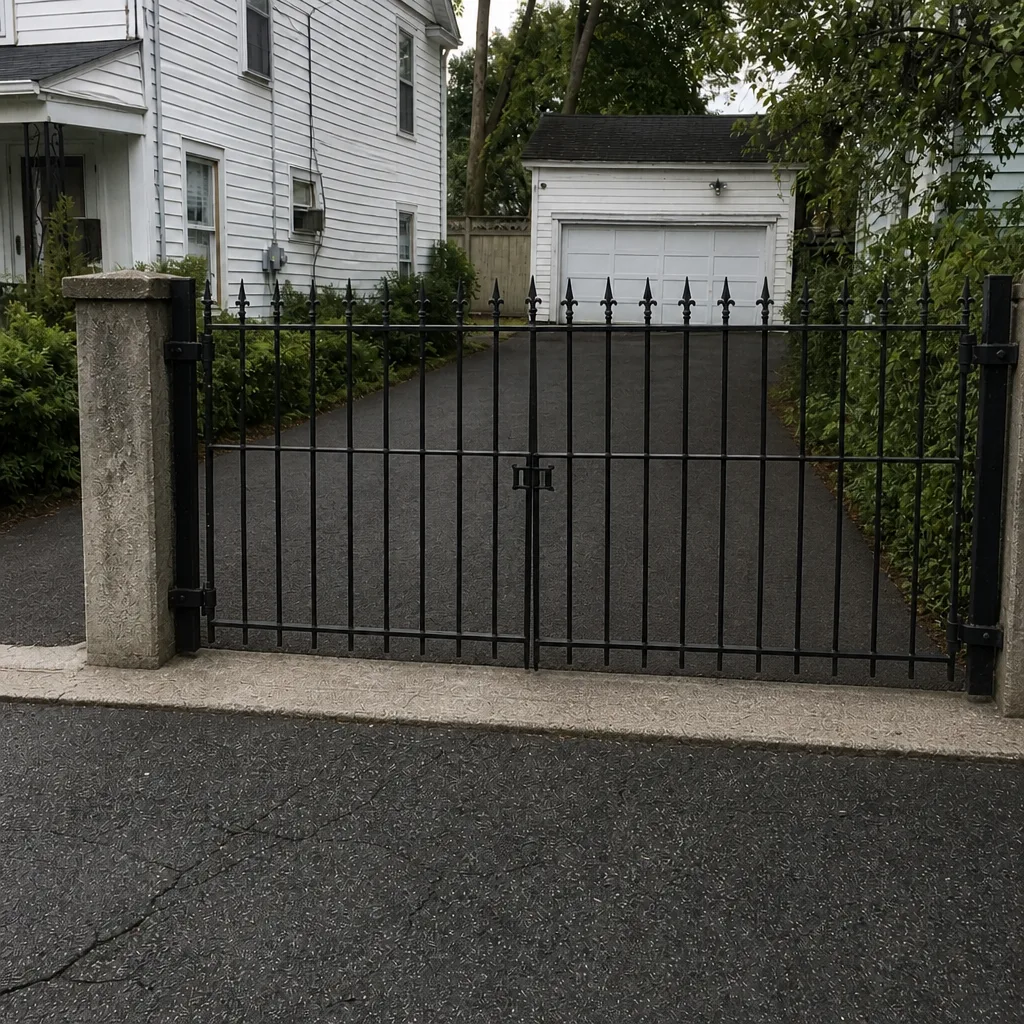 After
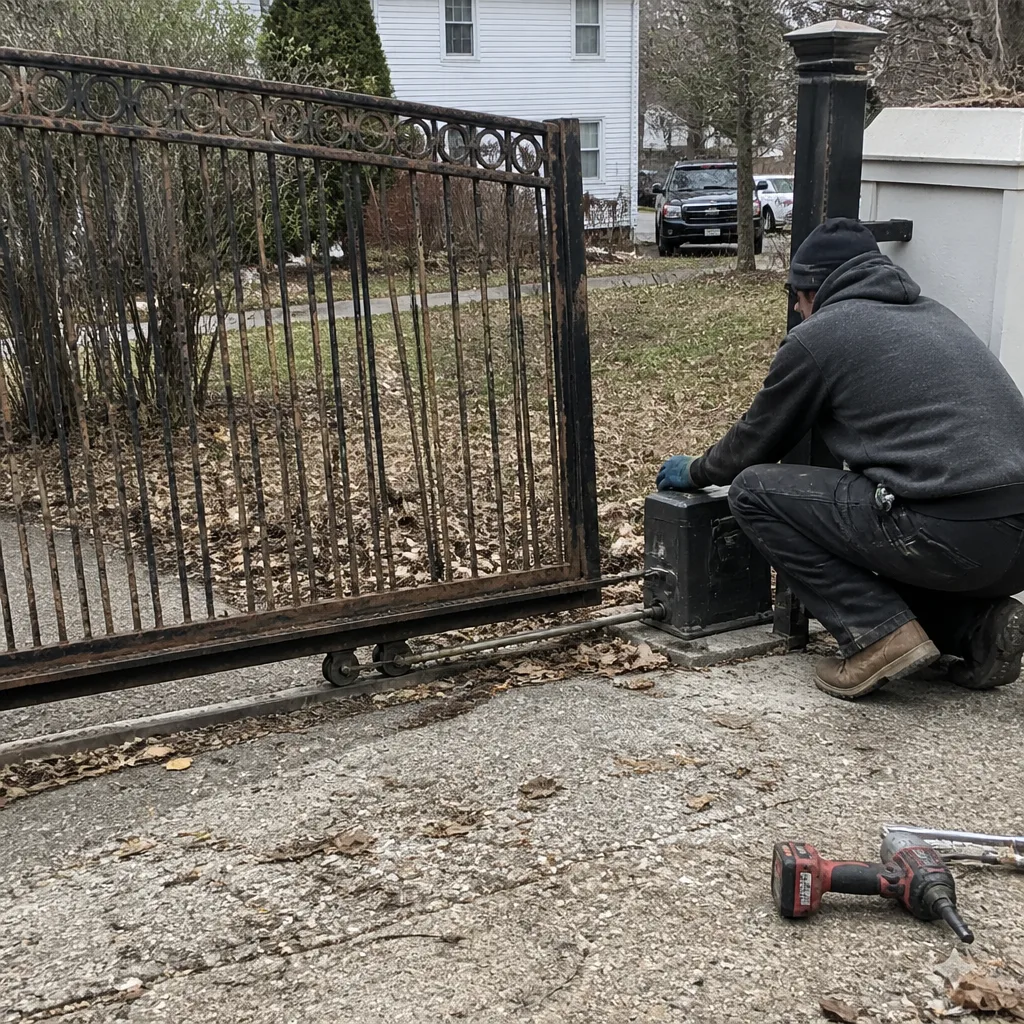 Before
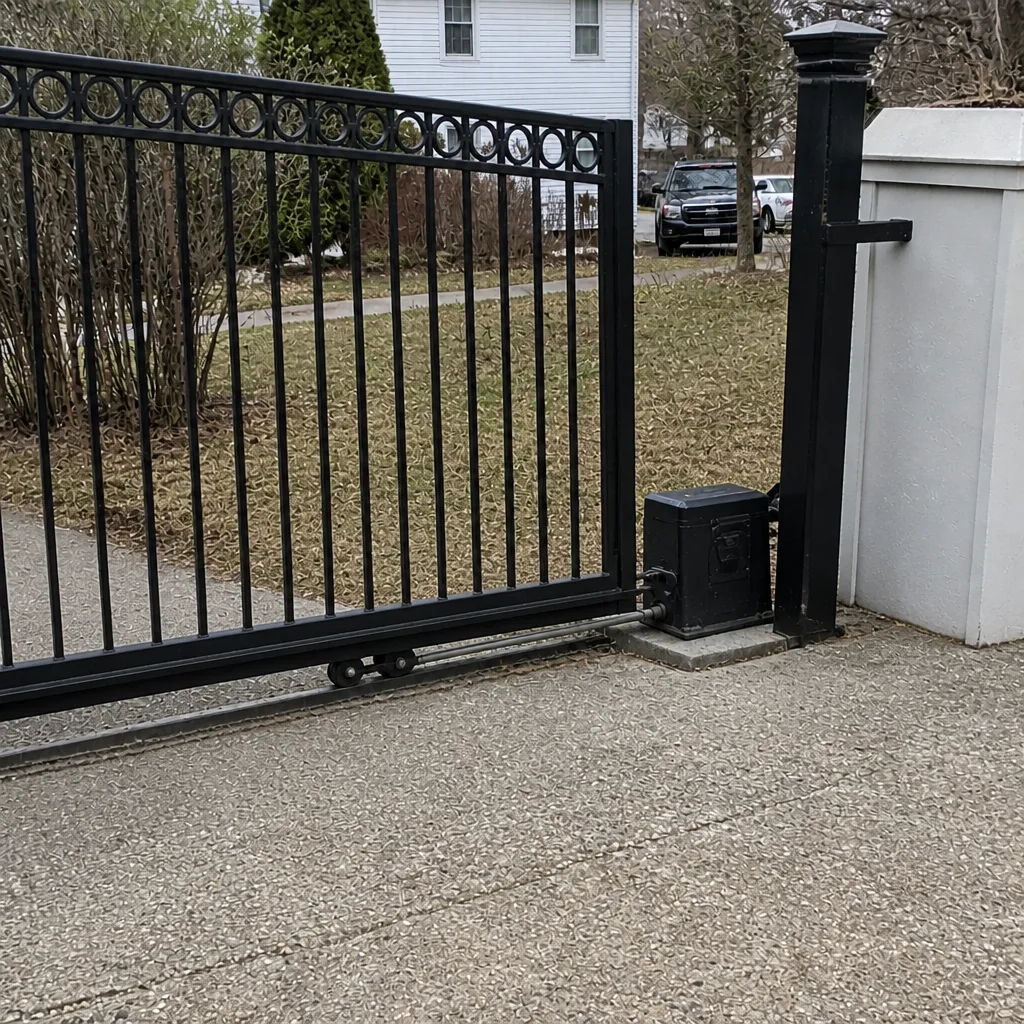 After
Frequently Asked Questions
Stop and don’t force the gate. Find the operator’s manual release, disengage the gate from the motor, and move it by hand only after you’ve confirmed it’s free. Then check whether the problem is power, battery, or a mechanical fault. If you’re not sure, call (866) 942-6084 and we’ll help you sort out what’s safe to do while you wait.
Use the operator’s manual release, which is a keyed lever, handle, or chain depending on your operator type, then move the gate by hand. The release method differs for chain-driven slide, swing arm, ram, and underground operators, so match the method to your unit before applying force. The step most people skip is testing the gate a few inches by hand after release to feel for binding before swinging it wide.
A backup battery keeps the gate cycling for a limited number of cycles, not indefinitely, and cold cuts its capacity, so it runs down faster in a deep freeze. If the gate works a few times after an outage and then stops, that’s a depleted battery doing its job, not a malfunction. If it won’t hold a charge after power returns, that’s worth a diagnostic visit.
No. Forcing the gate while the operator is still engaged is the top cause of sheared gears and bent arms. Disengage the operator first, then move the gate by hand. Call (866) 942-6084 and we’ll walk you through the safe next step.
Treat it as a security problem, but don’t force it closed against a live operator. Disengage the operator first, then close the gate by hand if it moves freely, using a second person for a heavy slide or wide swing leaf. If it won’t move or the operator keeps trying to cycle, call (866) 942-6084 for a diagnostic visit.
Have the operator’s brand and model, the manual release location and key, your installer’s contact if you have it, any buried utility lines near the gate, and a short note of what the gate did before it failed. Photograph the operator’s model plate and keep it on your phone. That small bit of prep makes a technician’s first visit faster and more accurate.
The Bottom Line
A gate emergency in Albany is mostly a decision problem, and the decisions are simpler than they feel: don’t force the gate, release the operator first, figure out whether it’s power, battery, or a mechanical fault, and stay clear of anything involving the operator’s wiring. Document your operator model, release location, installer contact, and nearby utilities now, so the first five minutes of the next storm go the right way. The temporary fixes that buy time are the ones that don’t touch the mechanism, and the ones that cause damage are the ones that fight it. If you’re unsure or the gate won’t move safely, a technician who works on gates full time will diagnose the mechanical and electronic sides in one visit. Gate repair, electric gate repair, and new installation all live under one roof here, so you’re never coordinating between trades. Call (866) 942-6084 for a free estimate. We answer 24/7, and fast dispatch runs from 7am to 7pm, Sunday through Friday.
Written by the team at Gate Repair Albany.