
Last updated November 15, 2026
 Wrought iron
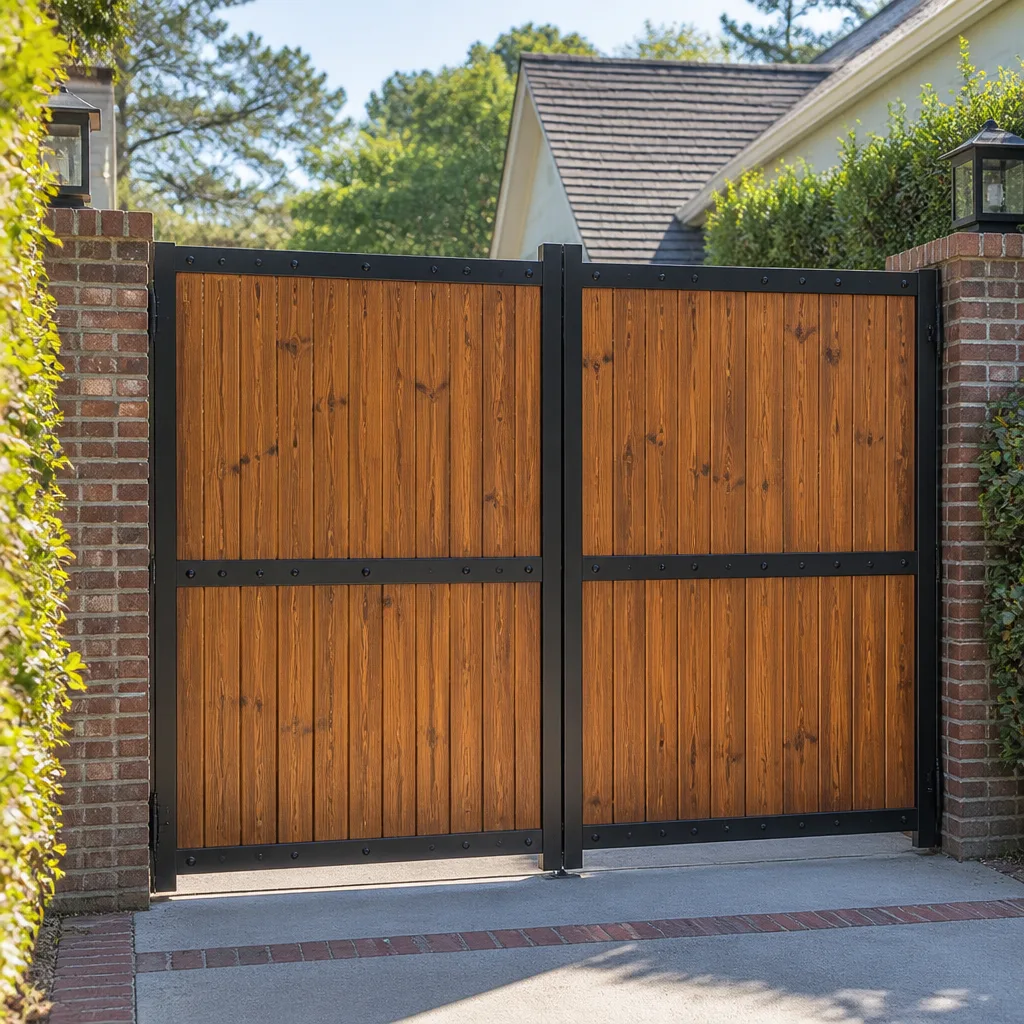 Wood & steel frame
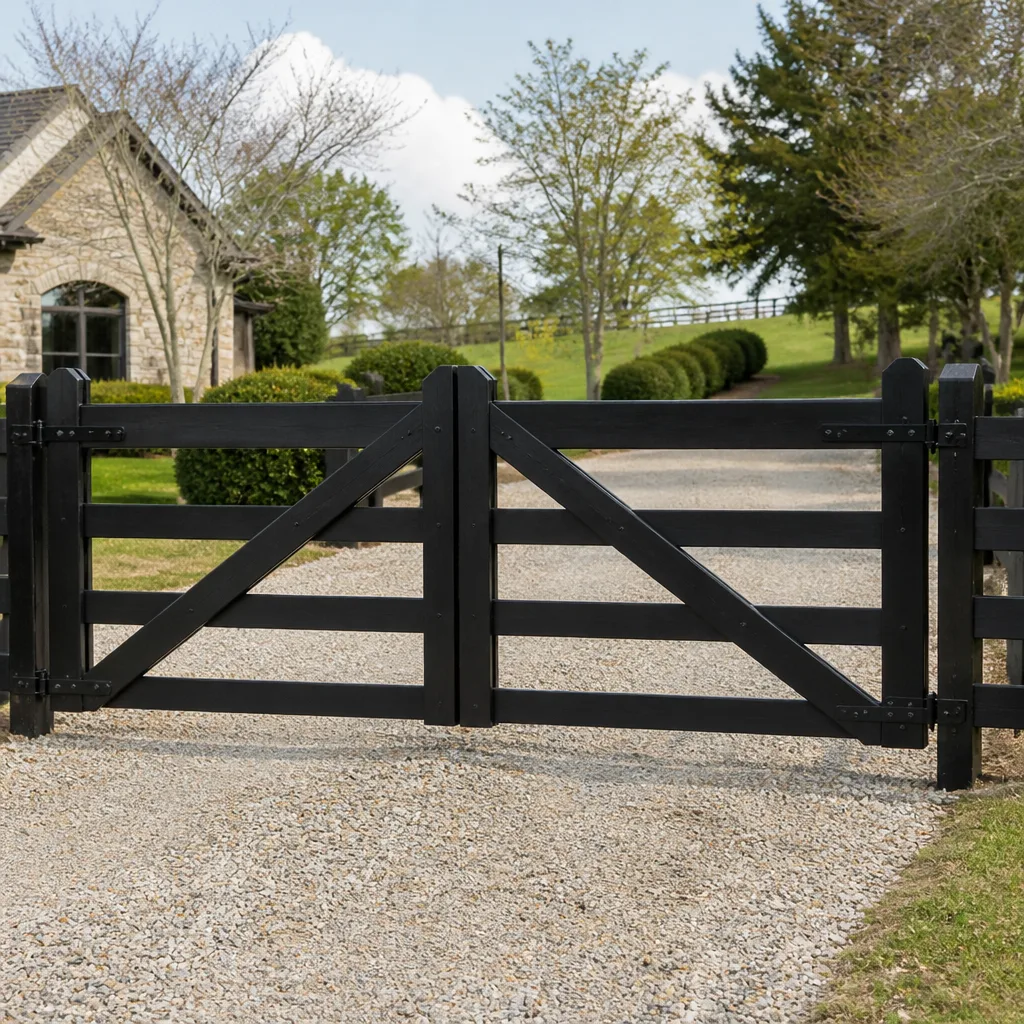 Farm & ranch
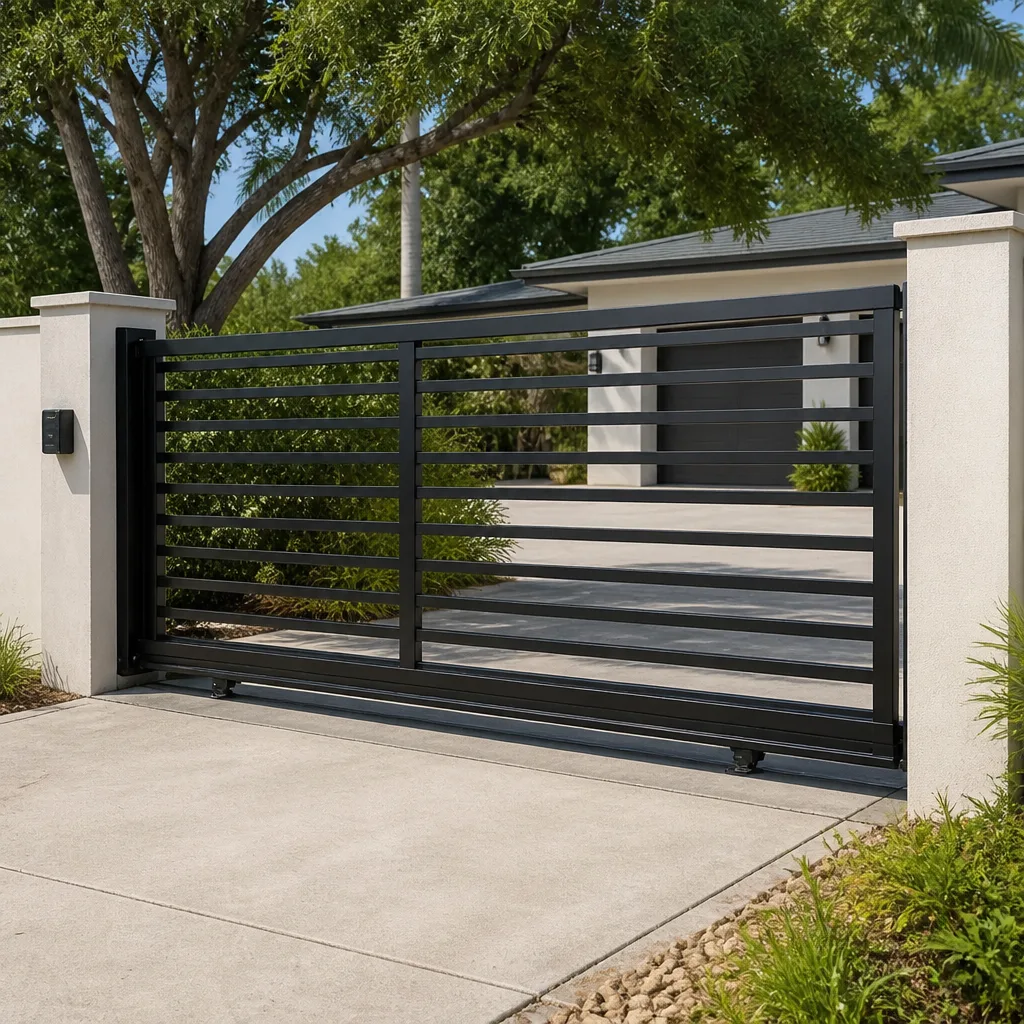 Sliding driveway gates
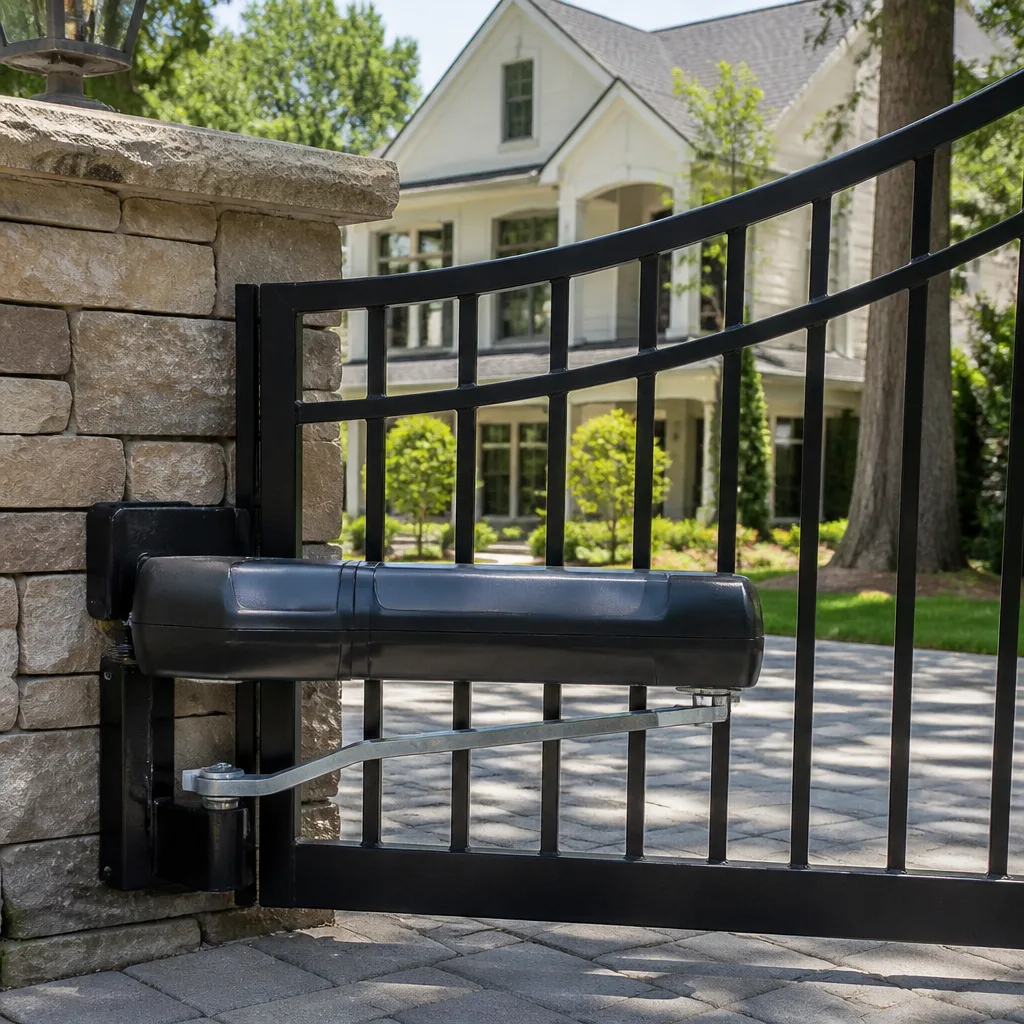 LiftMaster operators
Free on-site gate assessment - hinges, posts, and your LiftMaster or Nice gate operator checked before anything is quoted
The assessment is free and the quote is the invoice.
Get your free estimateSeasonal Gate Repair Care for Albany: Year-Round Homeowner’s Guide
Here’s the part most Albany gate owners get backwards: by the time a gate stops working in spring, the problem has usually been sitting there since fall. Freeze damage, moisture intrusion, and force-setting drift all start long before anything visibly fails. A gate that swings fine in November can be one cold snap away from a burned-out operator or a cracked hinge point by February. This guide walks through each season in Albany and shows you the sequence of checks that catches small problems before they turn into a call you didn’t plan for.
Quick Answer
Seasonal gate care in Albany comes down to four windows: fall prep to prevent freeze damage, winter operating habits that protect the operator, a post-thaw inspection in spring, and humidity control on wood in summer. The single most overlooked task is recalibrating your gate’s force settings after any temperature extreme, because a gate tuned in July can be dangerously stiff by January.
Styles & brands we work with
- Wrought iron
- Wood & steel frame
- Farm & ranch
- Sliding driveway gates
- LiftMaster operators
Table of Contents
- Fall: The Prep Work That Prevents Winter Damage
- Winter: Operating an Automatic Gate Through Ice and Cold
- Spring: The Post-Thaw Diagnostic Sequence
- Summer: Humidity, Wood, and Structural Integrity
- The Seasonal Task Most Guides Skip: Force Settings
- What’s Dangerous and What Isn’t
- Common Mistakes to Avoid
- When to Call a Professional
Fall: The Prep Work That Prevents Winter Damage
Fall is when the groundwork gets laid for either a quiet winter or a spring repair bill. In Albany, the freeze-thaw cycle that runs from late fall through early spring is the biggest driver of gate failure we see. Water gets into places it shouldn’t, freezes, expands, and either cracks a component or shifts it out of alignment. Every fall task below targets a different place water and cold can do damage.
The underground loop detector is the piece most homeowners never think about. It’s buried in the driveway, often in a PVC conduit run, and it works by detecting a magnetic field change when metal passes over it. If the seal around the conduit entry point has degraded, water can enter the housing. When temperatures drop and that water freezes, it can crack the loop wire insulation. Check the housing cover and the conduit entry seal before the first hard freeze.
Hinges, rollers, and pivot points need proper cold-rated lubricant going into winter. General-purpose oil thins and migrates in cold; a lithium or silicone-based lubricant stays where it’s placed. Apply it to every hinge barrel, roller bearing, and pivot pin on swing gates and slide gate tracks.
- Seal and inspect the loop detector housing and conduit entry.
- Lubricate every hinge, roller, and pivot point with cold-rated lubricant.
- Check the operator housing for cracks or gaps that let moisture in.
- Test the manual release mechanism while it’s still warm enough to work comfortably outside.
- Clear any debris from track channels so ice has somewhere to go instead of jamming against it.
- Look at the gate’s bottom edge clearance; if it’s sitting low, it needs adjustment before it starts dragging ice.
For a deeper walkthrough of the mechanical side of gate maintenance, our gate repair page covers what technicians check on a standard service call.
Winter: Operating an Automatic Gate Through Ice and Cold
Winter is when operator strain peaks. It’s not the gate’s weight that causes the problem, it’s the combined weight of a stiff gate plus the torque required to push through ice at the bottom of the gate’s swing path. The operator’s clutch is the part that takes the hit. If the gate is binding even slightly and you’re operating it into a frozen threshold, the clutch slips, the motor works harder, and eventually the control board logs a fault or the motor overheats. The way to handle this is to reduce the load the operator has to push, not to push harder.
Before operating an automatic gate after an ice event, do a manual walk of the gate’s travel path. Clear any ice or snow buildup under the gate’s leading edge. On sliding gates, clear the track channel completely before you run the operator. On swing gates, check that the gate has clearance through its full arc of travel.
If the gate is frozen in place, don’t run the operator expecting it to break through. Use the manual release to disengage the operator, then free the gate by hand, then reengage. The manual release is designed for exactly this. Running an operator against a frozen gate is the most reliable way to burn out the clutch or the motor.
Winter is also when battery backup matters most on LiftMaster and Mighty Mule units. Cold reduces battery capacity significantly. A backup battery that’s fine at 70 degrees may fail at 20 degrees. If your operator has a battery backup, test it in fall before the cold sets in.
If your operator is an older unit that struggles in cold regardless of what you do, our electric gate repair team can assess whether a new operator is the right move.
Spring: The Post-Thaw Diagnostic Sequence
This is the inspection that matters most, and it’s the one most homeowners skip. Spring thaw is when freeze damage surfaces. The ground shifts, components that went into winter in good alignment come out of it slightly off, and water that got into a component expands and cracks it. The order of the inspection matters: check the components most likely to have sustained hidden damage first, before testing anything that would put load on them.
- Check the gate’s physical alignment. Walk the full travel path. Look for dragging, bowing, or misalignment at the latch point. Freeze movement in the ground is the most common cause of a gate that’s suddenly dragging.
- Inspect the loop detector. If the gate won’t detect a car, freeze damage to the loop wire is the likely cause. This is underground, so symptoms appear as “gate opens on its own” or “gate won’t open” rather than visible damage.
- Check the control enclosure for moisture. Open the control box and look for condensation, standing water, or corrosion on terminals. Water in the control board is a common spring failure.
- Test the safety sensors and edges. Photoelectric sensors, safety edges, and reverse sensors are all there to prevent injury. Walk-test each one to confirm the gate stops and reverses as it should.
- Inspect hinges, rollers, and track condition. Look for cracks, cracked welds, or distorted rollers. Cold makes metal brittle; a roller that cracked under winter load won’t show symptoms until it fails under spring use.
- Test the manual release. It should disengage the operator smoothly and reengage cleanly. If the key is stiff or the release is binding, that’s a spring-crack indicator.
- Recalibrate the force settings. More on this in the next section, but spring is the correct time to reset them after winter.
This sequence is exactly what we run on a diagnostic call in Albany this time of year. The order is intentional: it catches the components most likely to fail silently before any test that puts load on the system.
Summer: Humidity, Wood, and Structural Integrity
Albany summers run humid. That changes what you need to watch on wooden gates. A wooden gate’s main enemy in summer isn’t sun, it’s moisture cycling: the wood absorbs moisture from humid air, swells slightly, then dries and shrinks as the air dries out. That swelling and shrinking cycle is what causes joints to loosen over time, and it’s what causes a gate’s bottom edge to start dragging.
The coating schedule that actually prevents swelling is one that seals all six faces of every board: four sides plus both ends. End grain is where moisture enters fastest. A gate that’s only coated on the visible faces absorbs moisture through the uncoated ends and through any cracks in the coating. Re-coating the visible surfaces annually without attention to the end grain and to joints isn’t a moisture-prevention schedule – it’s cosmetic maintenance.
What to check on a wooden gate in summer:
- Joint integrity. Tapped joints and structural connections loosen as the wood cycles through swelling and shrinking. A gate that’s developed a “wobble” in one corner typically has a loose connection there.
- Surface cracking vs. structural cracking. Surface checking on the board faces is cosmetic. Cracks that run all the way through a board, or at a joint or hinge point, are structural and need to be addressed.
- Bottom edge condition. The bottom of the gate is where moisture collects most. If the coating has failed there, the wood beneath it is vulnerable to rot.
- Latch alignment. As a wooden gate swells in June, the latch may start to catch. When it shrinks in September, the latch may get loose. A latch that cycles through “too tight” and “too loose” annually is a gate that needs its hinges or gate stops adjusted, not a latch that needs replacing.
Summer is also the reasonable season for the one-time maintenance visit – not a plan, not a subscription, just a check you schedule when you notice something is off. Our team at Gate Repair Albany handles both manual and electric gates, so the seasonal check covers every layer of the system.
The Seasonal Task Most Guides Skip: Force Settings
Force settings are the parameters that tell the operator how much resistance to push through before it stops and reverses. Every automatic gate operator has them: LiftMaster, FAAC, Elite, and every other brand sets the maximum force the motor will apply. The settings exist for safety – they ensure that if the gate hits a person or an object, it reverses rather than continuing to push. They also affect the operator’s reliability.
Here’s the part most maintenance guides miss: force settings drift with temperature. A gate that was perfectly tuned in 75-degree weather will behave differently at 20 degrees because everything from the lubricant viscosity to the gate’s structural stiffness has changed. If the force setting was maxed out in warm weather to compensate for a stiff gate, the operator will apply that same force in cold weather – against even more resistance – and overheat or fault out. If the setting was left low, the gate will trip on normal resistance in cold weather and act like it’s broken.
The right approach is to check and recalibrate force settings at two points: at the start of cold season and at the start of warm season. Force settings aren’t a “set once and forget” parameter. They’re inherently seasonal, and treating them as a one-time setup is how a gate that tested fine in summer fails in January.
Recalibrating force settings needs to be done by someone who knows the specific operator. Different brands have different adjustment methods – some are done through a menu, some through a physical trim pot on the control board, and some through a combination. Get it wrong and you either set a gate that won’t reverse or one that trips constantly. If you’re not certain how your operator handles it, that’s a job for a technician.
On any Albany gate service call, force settings are one of the first things we check. It’s a five-minute check that prevents a large share of the no-fault calls we get.
What’s Dangerous and What Isn’t
Some gate work is routine and safe for a homeowner to handle. Some gate work is genuinely dangerous and belongs with a trained technician. Knowing the difference is important because gate systems combine mechanical hazards with high-current electrical components, and the dangerous parts aren’t always obvious.
Routine checks that are safe for a homeowner:
- Visual inspection of the gate structure for cracks, bowing, or misalignment
- Lubricating hinges and pivot points
- Clearing debris from tracks and gate travel paths
- Testing the manual release
- Checking the control enclosure exterior for visible cracks or penetration
Work that requires a trained professional:
- Any work inside the operator enclosure or control panel. Operators run on mains voltage and have capacitors that store charge even after power is cut. Opening an operator enclosure to test or adjust internal components is dangerous.
- Wiring and power runs. Any work on the electrical supply to the gate, the low-voltage loop wiring, or the safety sensor wiring involves electrical hazard. Even low-voltage gate wiring can be the source of faults that are hard to diagnose without proper test equipment.
- Heavy gate panels and slide gates. A swing gate panel or slide gate that comes off its track or hinge can cause serious injury. Adjusting or repairing heavy gate hardware needs proper equipment and technique.
- Force setting calibration on unfamiliar operators. Because getting the setting wrong can make a gate that doesn’t reverse on contact, this is a safety-critical adjustment.
If you’re unsure whether something is safe to touch, the answer is to not touch it and call a technician. Gate systems aren’t complicated in principle, but the combination of motor load and electrical supply makes mistakes costly and sometimes dangerous.
Common Mistakes to Avoid
- Winterizing the gate but not the operator. Homeowners often lubricate all the mechanical parts in fall and then never think about the operator’s battery backup, force settings, or control board. The operator is the component that fails fastest in cold, so it’s the one that needs the most attention going into winter.
- Running a frozen gate through the operator. When a gate won’t move due to ice, the reflex is to hit the remote again. If the gate is frozen, the operator is applying full torque to a non-moving object. Use the manual release to disengage first, clear the ice, then reengage. Every cycle against a frozen gate puts wear on the clutch.
- Coating only the visible wood surfaces. In Albany’s humid summers, moisture enters through end grain and through any crack in the coating. A wooden gate that’s coated on the faces but not on the end grain and joints absorbs moisture from every unsealed surface, which defeats the point of the coating schedule entirely.
- Assuming the gate’s alignment is fine because it worked last year. Ground movement from freeze-thaw is not always visible, and slight misalignment may not show symptoms until spring. Walk the gate’s full travel path in early spring before the first load-testing cycle. A gate that’s dragging slightly gets worse under load.
- Ignoring the loop detector until it fails. A loop detector doesn’t fail immediately from water intrusion. It fails months later when the insulation has degraded and a car passing triggers a nuisance fault. Checking the housing seal in fall is a five-minute task that prevents a service call in spring.
- Setting force settings and never checking them again. As covered earlier, force settings are inherently seasonal. Set at one temperature, they’ll behave differently at another. Checking force settings at the season changes is the single most effective maintenance habit we recommend.
- Assuming a working gate is a safe gate. A gate that cycles automatically without fault can still have a failed safety edge or a sensor that’s mis-adjusted. Safety sensors and edges are the only thing between a gate and a person; test them seasonally, not just when something stops working.
When to Call a Professional
Some of the seasonal checks above are routine. Some situations cross the line into needing a trained technician:
- Your gate won’t open, won’t close, or reverses partway through its cycle without a visible obstruction
- The operator is faulting out, overheating, or tripping the breaker
- The gate is visibly misaligned, dragging, or has structural damage
- The loop detector is triggering nuisance cycles or not detecting cars
- The safety sensors or edges are notifying or not functioning correctly
- Force setting recalibration is needed on an unfamiliar operator
- The manual release won’t disengage cleanly
- Any electrical work is needed on the operator, sensors, or power
Our technicians have up to 12 years of experience with these systems, and we handle both the mechanical side and the operator side in one visit. Gate Repair Albany offers free estimates in Albany – call (866) 942-6084. We answer 24/7. Fast dispatch from 7am to 7pm, Sunday through Friday.
See the difference
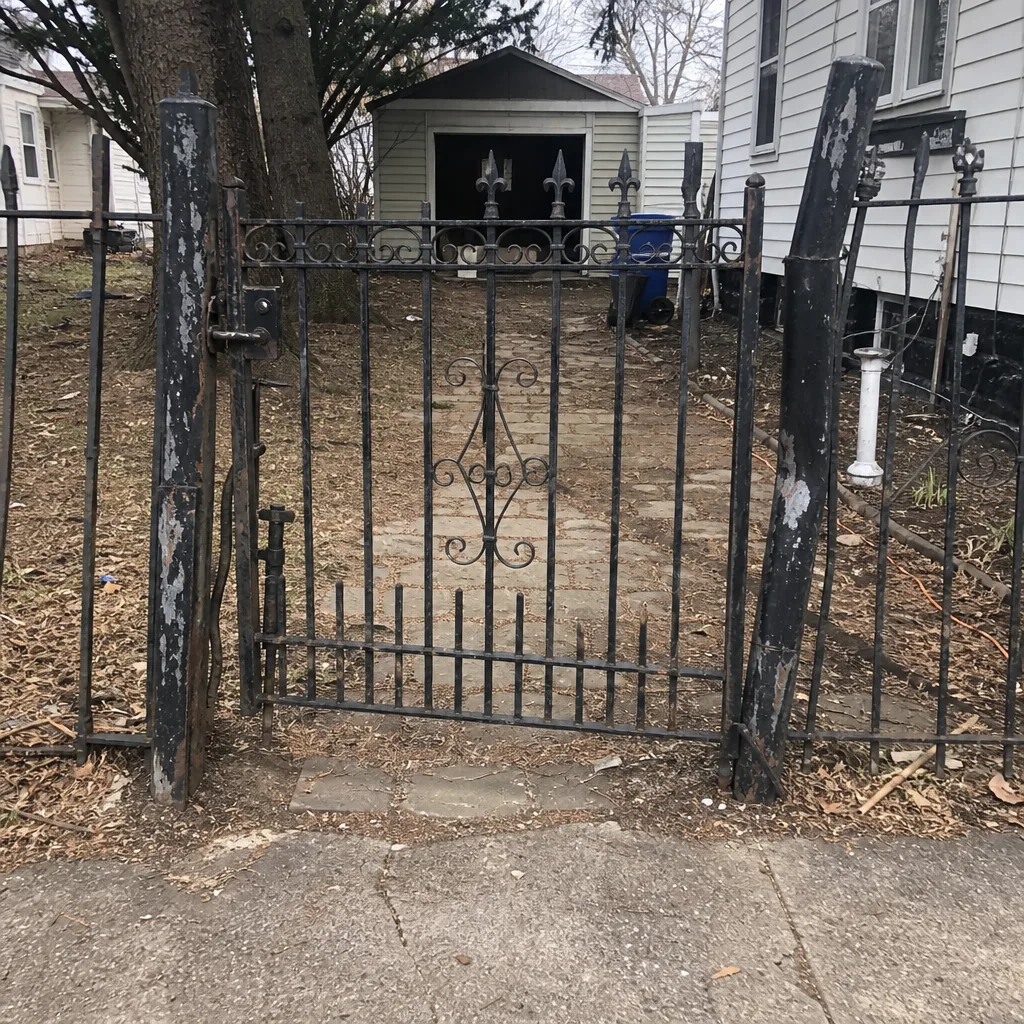 Before
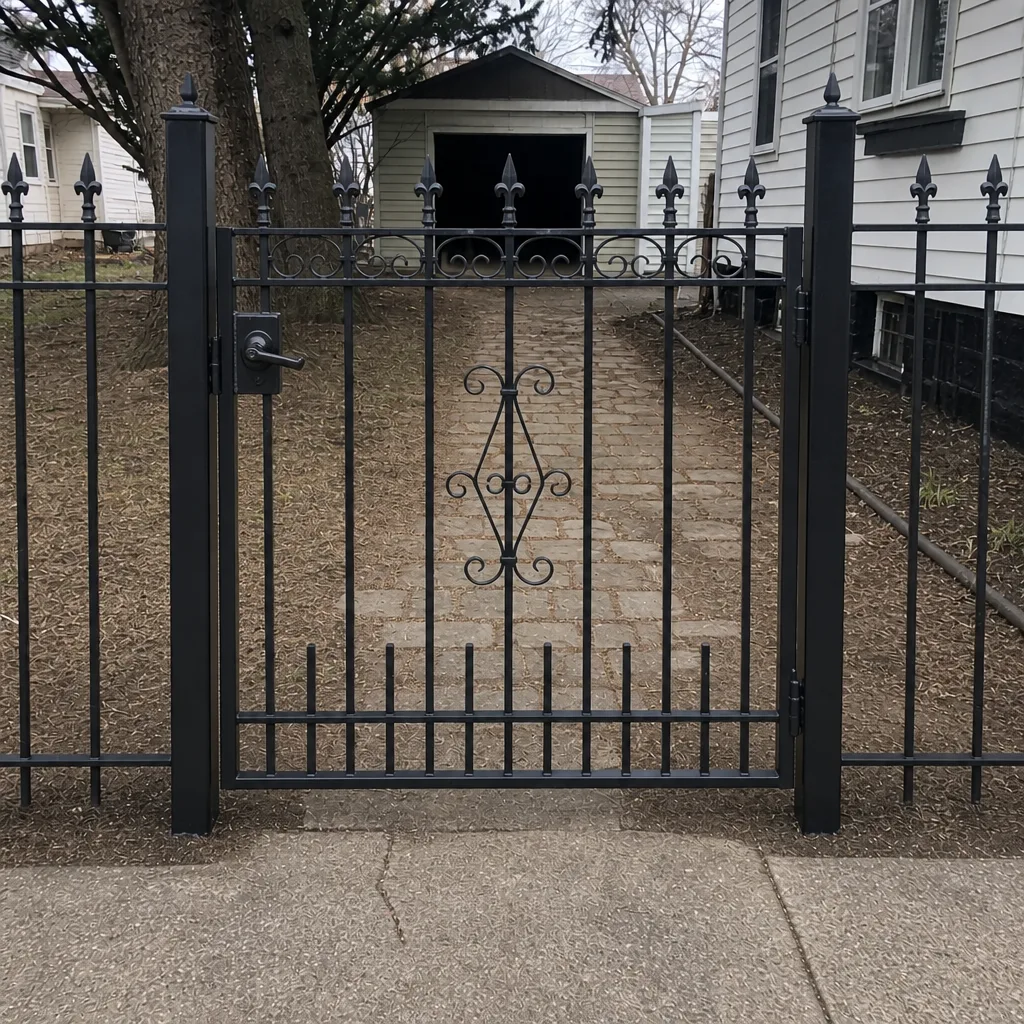 After
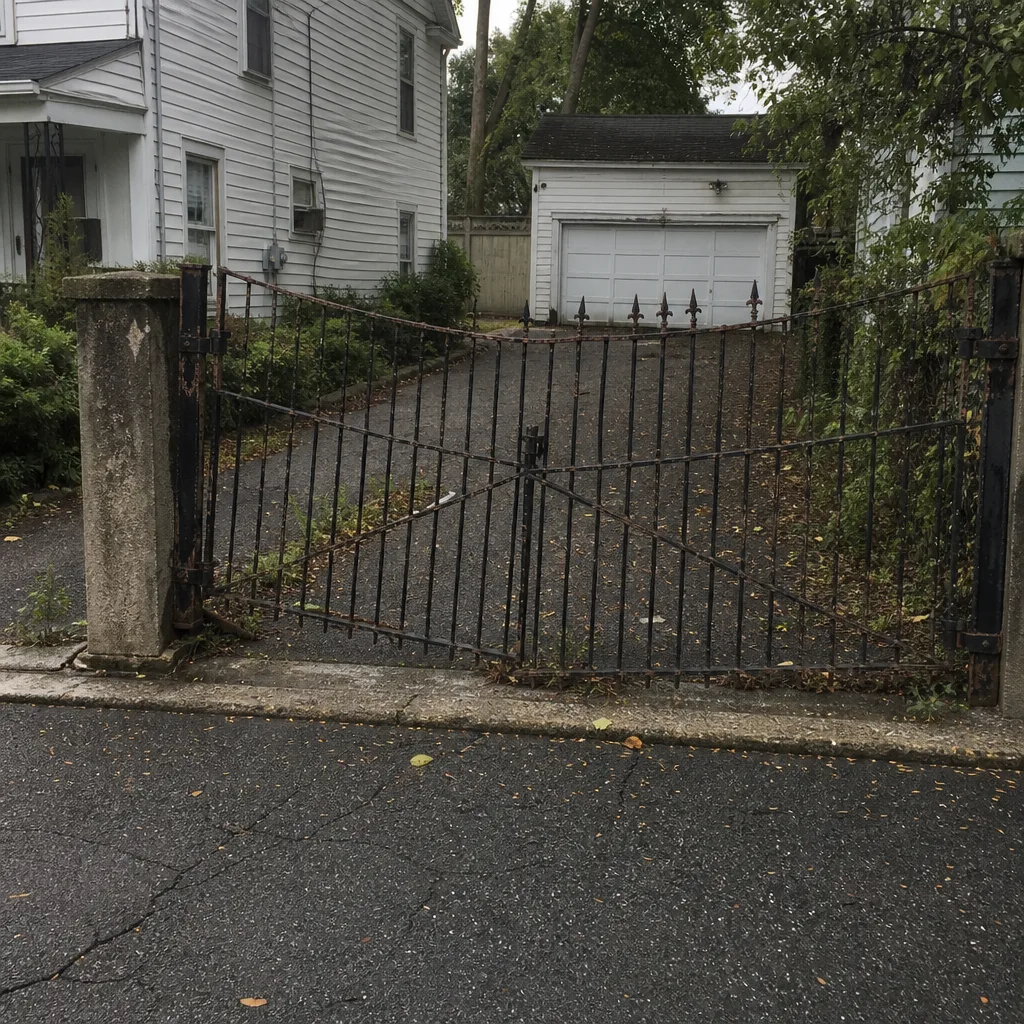 Before
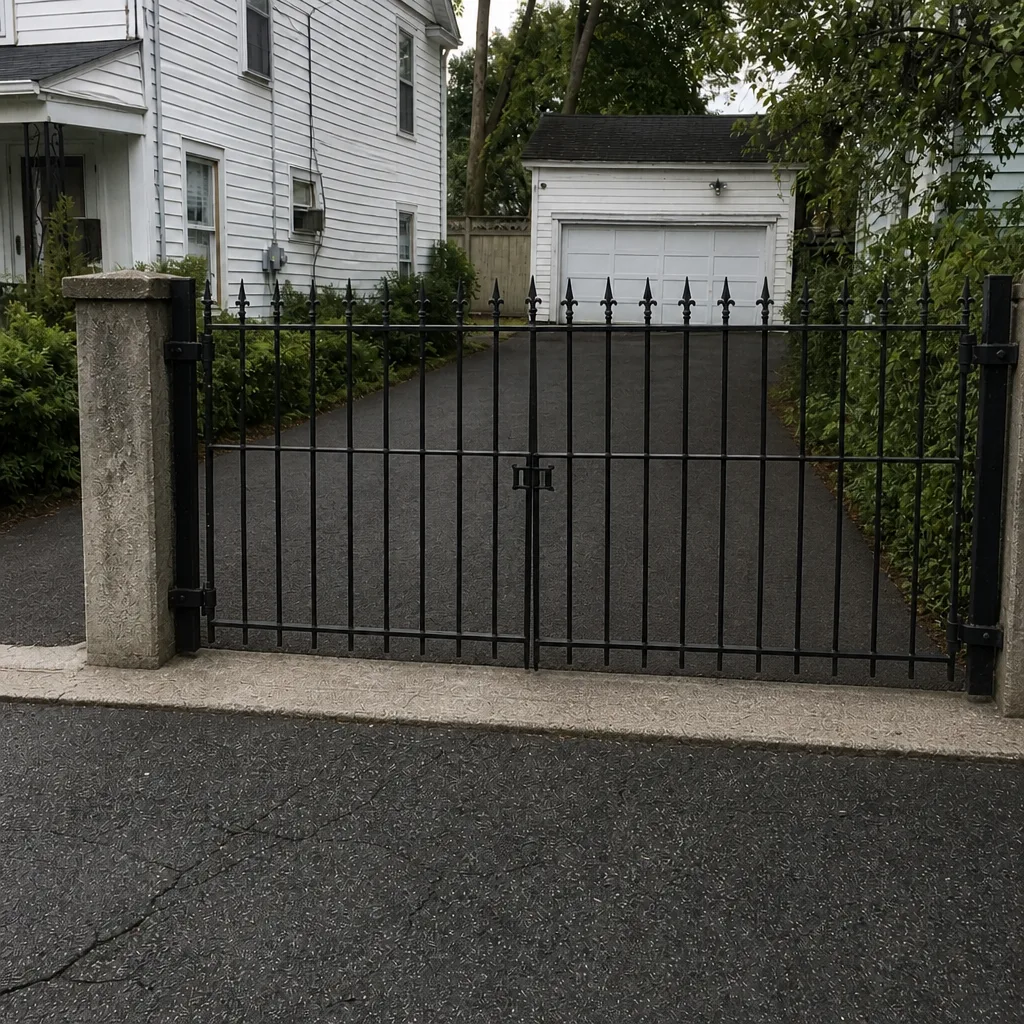 After
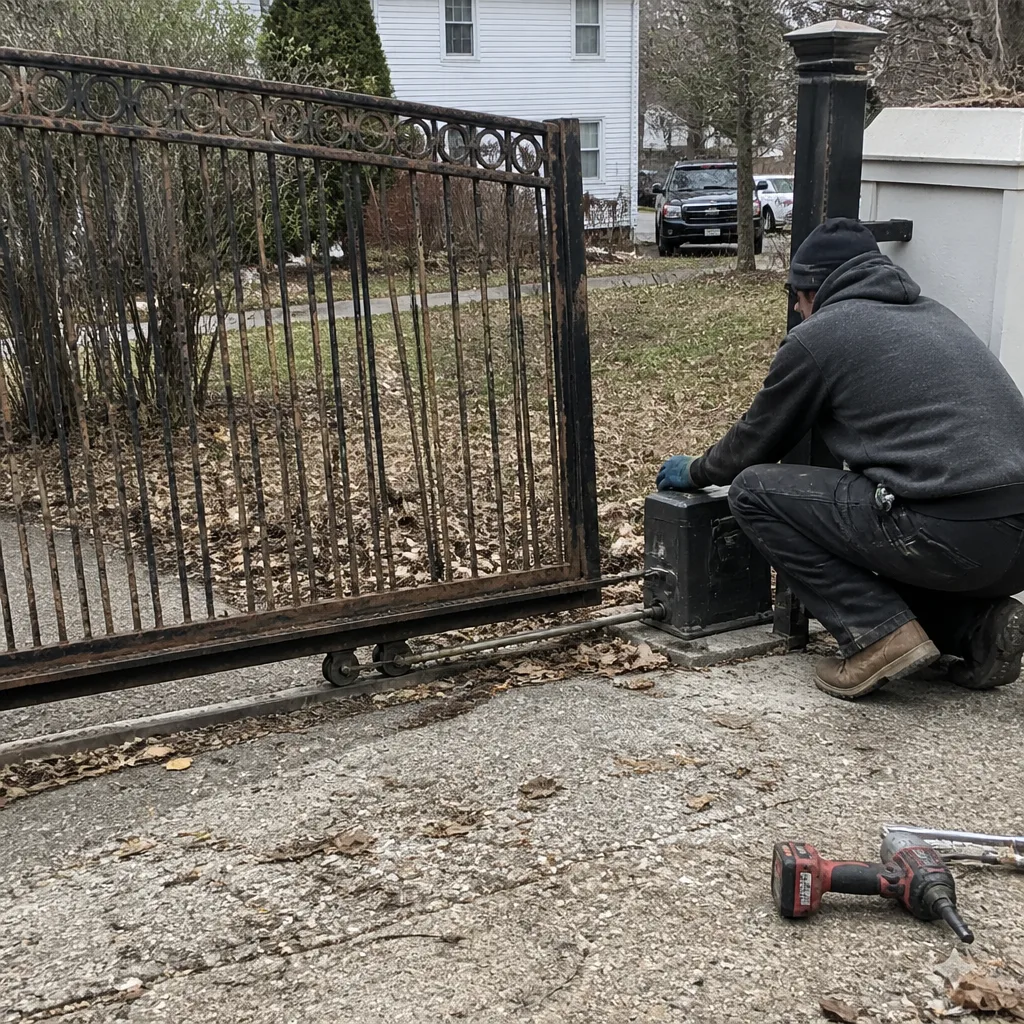 Before
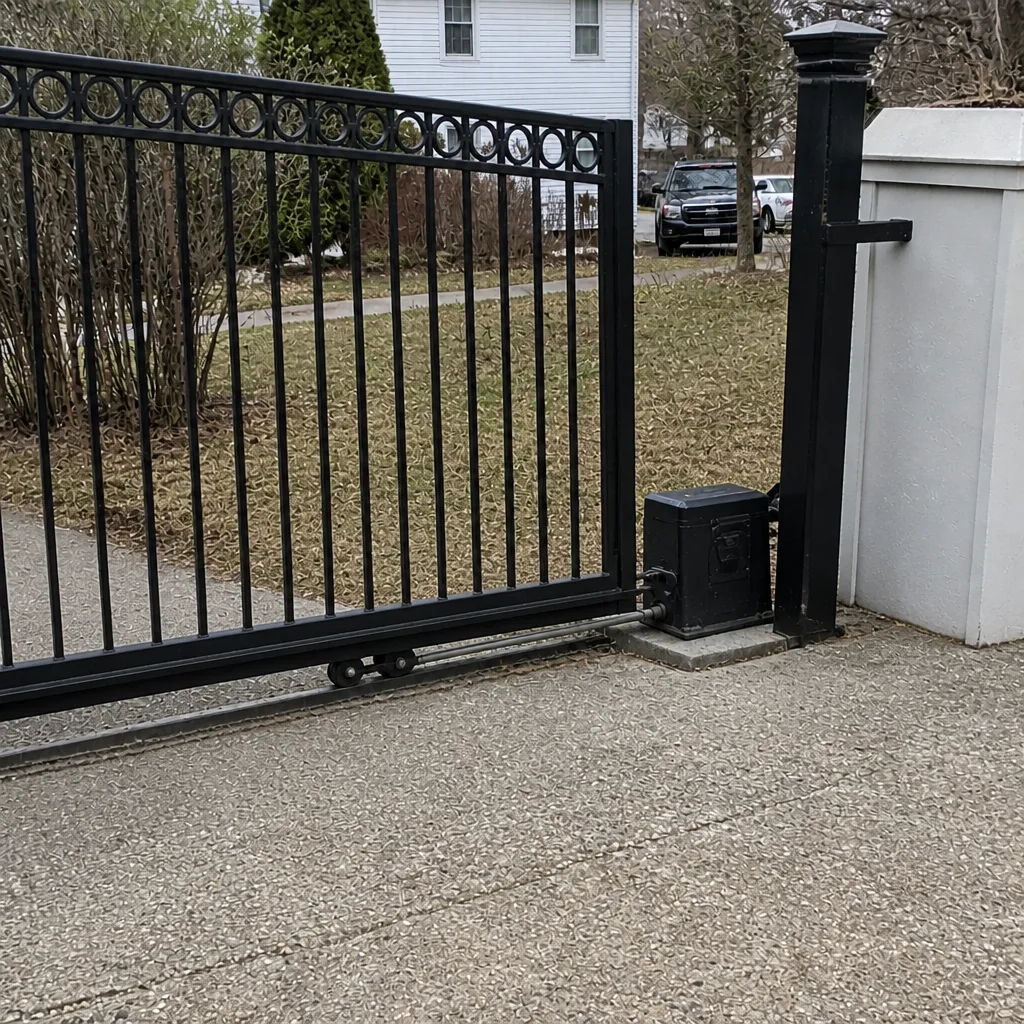 After
Frequently Asked Questions
Late March through April is the busiest repair window, but it’s driven by damage that accumulated over the winter. Fall prep is what determines whether a spring repair call is needed. If you want to avoid the spring rush, the fall checks matter more than anything you do in March.
You can, but not by running the operator against the ice. Clear the gate’s travel path of ice and snow before operating it. If the gate is frozen in place, use the manual release to disengage the operator, free the gate by hand, then reengage. Running the operator against a frozen gate is the fastest way to damage the clutch or motor.
Twice a year, at the start of cold season and the start of warm season. Force settings drift with temperature, so a setting tuned in summer will behave differently in winter. This is the most overlooked maintenance task on an automatic gate, and it’s a major cause of winter no-fault calls.
It changes what you need to watch. Humid summers cause wooden gate boards to swell and then shrink as the air dries, which loosens joints and causes the gate’s bottom edge to drag. A coating schedule that seals all six faces of each board – including end grain and joints – prevents this. Coating only the visible surfaces doesn’t prevent moisture cycling.
Start with the gate’s physical alignment by walking the full travel path. Freeze damage to the ground often shifts a gate slightly out of alignment, which causes it to drag. Check alignment before you test the operator, because a misaligned gate under load can cause secondary damage to the hinges or rollers.
Yes. We diagnose both the gate’s mechanical components and the operator’s electronic components in a single visit. We work across LiftMaster, FAAC, Elite, Mighty Mule, and other major brands. Whether your issue is a bent swing arm, a failed control board, or a loop detector that’s given up after a freeze, our team handles it.
The Bottom Line
Seasonal gate care in Albany follows a sequence: fall prep to prevent freeze damage, winter habits that protect the operator, a spring post-thaw diagnostic, and summer moisture management on wood. The fall checks are the ones that pay off most, because the failures that surface in spring were caused in the previous October. The single highest-value habit is recalibrating force settings at every temperature extreme, since it’s the one thing that a tuned gate and an untuned gate behave identically on in fair weather. For everything beyond routine checks, our team can help.
Call (866) 942-6084 for a free estimate. We answer 24/7. Fast dispatch from 7am to 7pm, Sunday through Friday.
Written by the team at Gate Repair Albany.